
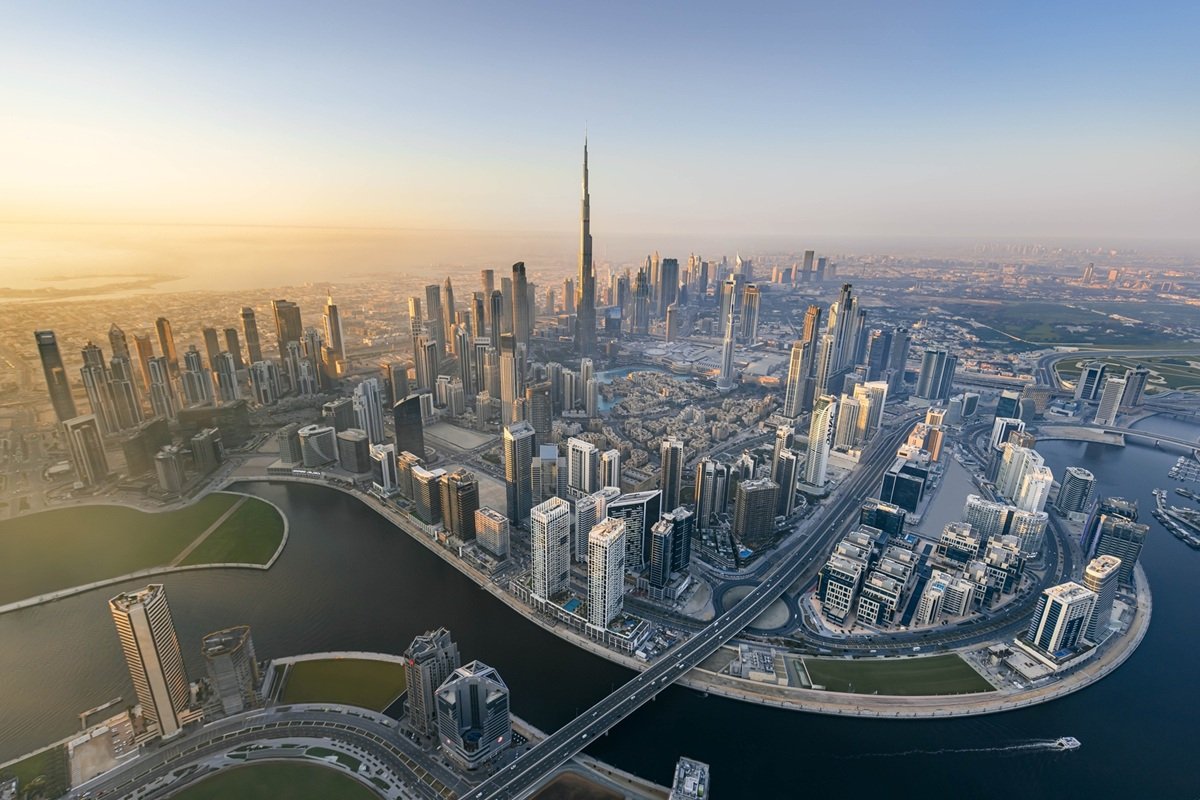
As we usher in the year 2026, the illustrious rental housing market of Dubai is poised for a captivating metamorphosis—one that whispers stories of structural transformation, moving gracefully away from the frenetic pace of rapid growth towards a more mature, predictable landscape adorned with the hues of nuanced sophistication. This evolution reveals itself through a tapestry of factors: the gentle rise in vacancy rates, the rhythmic dance of seasonal pricing fluctuations, and an unmistakable pivot towards long-term leases and the cherished aspiration of homeownership.
Far from signaling a downturn, this recalibration unveils a harmonious alignment of supply and demand, alongside a profound shift in tenant behavior that reflects the burgeoning population of nearly four million. This burgeoning community highlights the paramount significance of affordability—a cornerstone essential for sustaining long-term economic vitality in this dazzling Emirati jewel.
Informed projections from the esteemed analytics firm Colife suggest that the average annual vacancy rate is anticipated to gracefully ascend to approximately twelve percent by 2026, adorned with pronounced seasonal variations that echo the ever-changing rhythm of Dubai’s vibrant lifestyle.
Unveiling the Intricacies of Dubai Rents
We foresee peaks in vacancy intermittently surging during the sultry summer months, specifically in July and September, where rates may escalate to around sixteen percent. This phenomenon, influenced by seasonal tenant migrations amidst the sweltering heat and the ebbing of business activities, paints a vivid portrait of the city’s dynamic rental landscape.
Conversely, as the curtain rises on October and November, the vacancy rate is predicted to dip to approximately five percent, marking a period of robust activity characterized by relocations, promising hires, and new corporate alliances, each resonating with the life force of Dubai’s economic tapestry.
For astute investors, this transition heralds a pivotal shift, one that beckons a departure from the singular pursuit of headline rents towards a nuanced strategy that prioritizes income stability during the low-season lull.
The mid-term rental segment appears set to continue under pressure, particularly during the scorching summer of 2026. Colife reveals a forecast where average low-season rents may retract by as much as five percent relative to previous years, while high-season rates are projected to retain their firm grip, echoing the levels observed in 2024 and 2025.
It is essential to recognize that price movements will remain intricately tied to asset positioning. Luxurious properties—those that gleam with opulence—are predicted to endure milder corrections, while comfort and business-class accommodations might find themselves more susceptible to the dance of seasonal volatility.
The Shift in Seasonal Rhythms
Ilnara Muzafyarova, the visionary CEO of Colife, elucidates, “Our core tenant demographic comprises young expatriates gracefully occupying the upper-middle-income echelon—professionals drawn to Dubai’s allure for work or business. For this discerning audience, the average annual rental cost per unit hovers around AED 11,900 per month, translating to approximately $3,240.”
“During the sultriness of summer, rents may retreat to AED 6,000–7,000—equating to $1,635–$1,905. However, these declines are routinely counterbalanced by the vigorous performances witnessed from October through April.”
One of the defining narratives of 2026 is the flourish of long-term leases and homeownership, as tenants increasingly gravitate towards perceiving Dubai not merely as a transient base but as a permanent abode steeped in possibility. This evolution is prominently visible in enclaves such as Al Furjan, Jumeirah Village Circle, and Jumeirah Lake Towers, where Ejari-registered long-term contracts in the preceding year have yielded superior returns for investors in comparison to mid-term rentals. Indeed, mid-term rents have markedly dipped during the low season, while annual leases have provided steadier cash flow and significantly reduced vacancy rates.
For investors focusing on residential areas devoid of tourist saturation, long-term rentals unveil themselves as a more predictable and resilient strategy, extending over horizons that span three to five years.
Navigating the Waters of Short-Term Rental Oversupply
The segment most susceptible to 2026’s evolving dynamics is undoubtedly short-term rental accommodations. The allure of Dubai has led to a remarkable escalation in active listings, where approximately twenty-five thousand short-term properties emerged in 2025, a staggering leap from a mere nine thousand in the preceding year—a threefold increase that unveils the multifaceted complexities of a thriving market.
While the tide of tourist arrivals continues to swell, this rising demand struggles to harmonize with the burgeoning inventory, creating an imbalance that threatens to diminish average daily rates, intensify competition among hosts, and elevate expectations surrounding property quality and management standards.
A significant underpinning of this market evolution is the shifting behavior of tenants. Gone are the days when many residents treated Dubai as a whimsical “on-and-off” destination, fleeting during the summer months only to return for the bustling peak season. By 2026, this once-familiar pattern has largely dissipated.
Increasingly, individuals are planting deeper roots, securing mortgages, and signing long-term leases, while families find solace in relocation. Thus, the rental market is progressively shedding its reliance on transient tourism cycles, evolving instead into a vibrant tapestry anchored in long-term residency.
Embracing Accessibility and the Broader Benefits
While tempered rents may evoke concern among landlords, such adjustments unveil a constellation of broader benefits. In an era where affordability takes precedence, a moderate approach to rental prices enhances the accessibility of Dubai for skilled professionals, young families, and mid-income expatriates—critical pillars of economic diversification and innovation.
More affordable housing diminishes relocation costs for employers, smoothing the pathway for new arrivals while enhancing talent retention, fostering a stagnant tenant base with reduced turnover over time.
As we stand at the precipice of 2026, Dubai’s rental housing market is set to transform, casting aside notions of growth at any cost. Instead, it will manifest a refined equilibrium, characterized by segmentation and a meticulously strategic choice of rental formats.
While elevated rents will persist in prime locations and peak seasons, investors must embrace the complexities of vacancy risk, seasonal nuances, and evolving demand patterns. The most resilient performers will be those who prioritize income stability throughout the entire year, rather than fixating solely on peak headline rents.