
Greenland’s Geopolitical Reverberations: A Strategic Nexus Awaits in Davos
In the heart of Davos, as the world’s elite converge for the World Economic Forum, a looming geopolitical tempest takes center stage: the fate of Greenland. This remote enclave, draped in pristine beauty and untamed wilderness, has become the focal point of a contentious dialogue between the United States and its NATO allies. U.S. President Donald Trump has once again accentuated the island’s significance, heralding American ownership as "imperative" for fostering both national and global security—a declaration that echoes through the snow-veiled peaks of the Swiss Alps.
As the allure of opulence envelops the event, the discussions unfold with gravitas. Trump’s recent proclamation on social media following an interaction with NATO Secretary-General Mark Rutte resonated like a clarion call, stating, "I agreed to a meeting of the various parties in Davos. Greenland is imperative; there can be no going back." This sentiment underscores the island’s invaluable resources, heralded by some as a treasure trove of minerals, awaiting discovery amidst its majestic ice fjords.
Nestled within this delicate web of international relations lies Greenland itself—a self-governing territory of the Kingdom of Denmark, steeped in the rich tapestry of Inuit culture and history. The island has rebuffed American overtures to acquire it, an assertion of independence that signals a resolute commitment to self-determination.
While European leaders fortify their stance against what they perceive as expansionist ambitions, they are also keen to spotlight cooperative measures. The European Commission President, Ursula von der Leyen, emphasized the necessity of respecting Greenlandic sovereignty during her meeting with a bipartisan congressional delegation. She articulated a vision of unity, declaring, "The European Union remains steadfast in its commitment to collaborate closely with the United States and NATO, ensuring the integrity of our transatlantic relationship is upheld.”
In a shrewd maneuver, recent diplomatic dialogues have explored not only the security dimensions in the Arctic but also the economic implications of transatlantic trade. The atmosphere thickens with the weight of unresolved issues, as tariffs loom large—an antagonistic backdrop to an already fragile international order.
As Danish and Greenlandic representatives traverse their pathways to Brussels, a palpable tension underscores their negotiations. Danish Defense Minister Troels Lund Poulsen acknowledged the complex challenges posed by the Greenland issue, suggesting that it fundamentally impacts both Europe and NATO’s future.
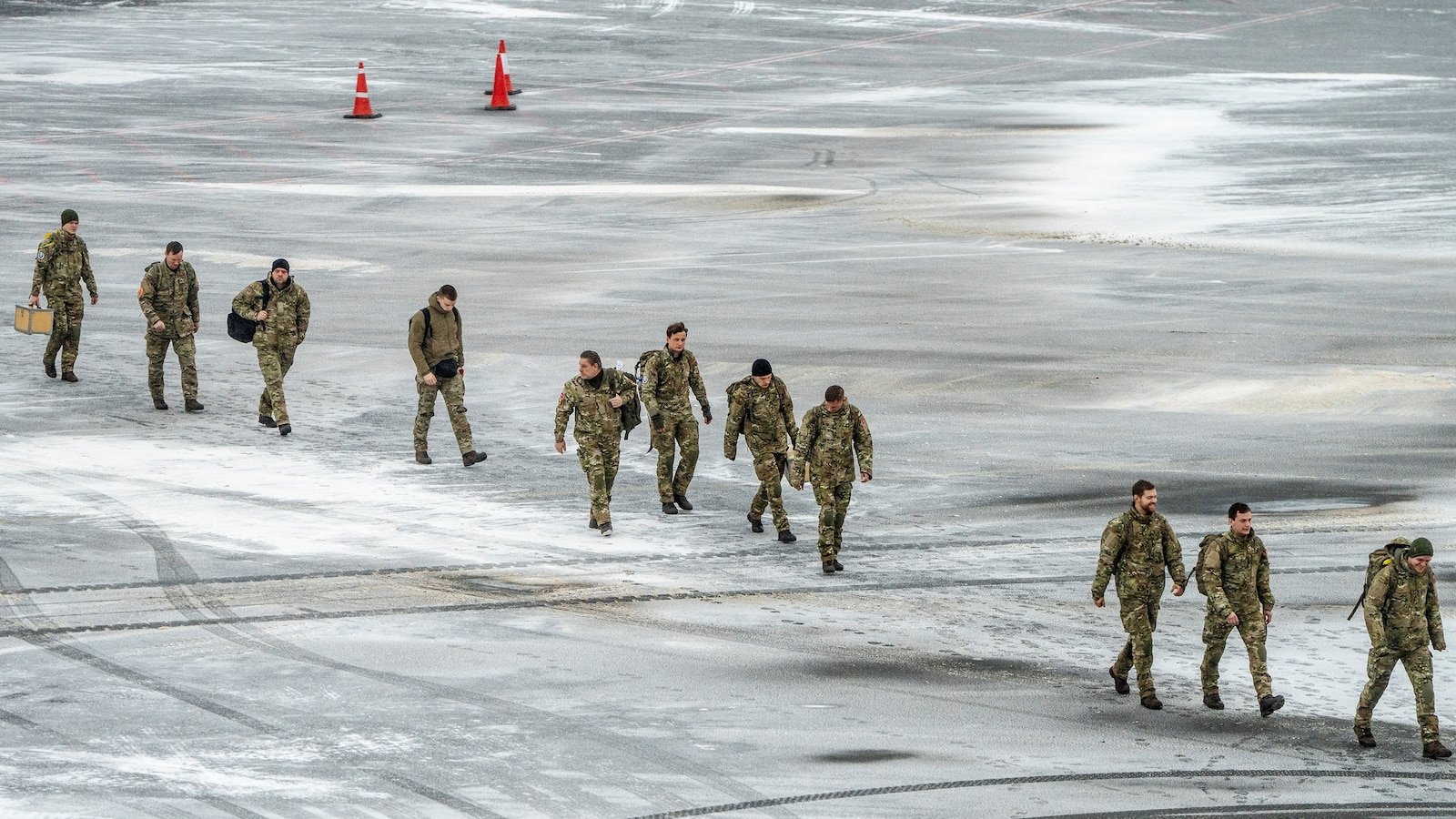
In this intricate dance of power and diplomacy, the delicate balance of military presence in the Arctic emerges as a pressing concern. With recent deployments of troops to Greenland, European leaders have sought to alleviate anxieties surrounding security vulnerability—a posture underscored by the urgent need for increased military expenditure.
Yet, amid the swirling currents of political maneuvering, the rich cultural narrative of Greenland persists—one of resilience and sovereignty, woven from the fabric of a resilient people. Its foreign minister, Vivian Motzfeldt, reflects an aspiration: “It is vital to delineate our approach to security in the Arctic, thus facilitating constructive dialogues centered on collaboration.”
As this narrative unfolds against the backdrop of the World Economic Forum, one cannot help but contemplate the myriad cultural and ecological treasures that Greenland holds, each intertwined with the very fabric of global geopolitics. The whispers of environmental shifts and resource acquisitions meld with the aspirations for peace and mutual respect, painting an evocative tableau of a future yet to be shaped.
In this hall of ambitious aspirations and luxurious discussions, Greenland stands not merely as a geographical entity but as a symbol of sovereignty, a cultural testament resisting the winds of external ambition while navigating the stormy seas of international discourse. Its story, intricately tied to the aspirations of nations, beckons for a resolution steeped in dignity and mutual respect, promising a future rich with potential.