
The Aeronautical Aesthetics: A Deep Dive into Airbus and Boeing Cockpit Innovations
In the realm of aviation, where artistry meets engineering, the competitive landscape of Airbus and Boeing stands as a testament to human ingenuity. Amidst the glistening silver wings of these magnificent machines, the true craftsmanship resides within the cockpit—an intricate sanctuary amidst the clouds. Here, two distinct design philosophies engage in an eternal dance of innovation and tradition.
As we traverse this opulent narrative, we shall unravel the fascinating differences between the Airbus A320 and the Boeing 737, not merely as airliners but as embodiments of unique ideologies. Each cockpit represents a paradigm of technological prowess, reflective of a broader cultural ethos—one steeped in the rich heritage of the United Arab Emirates, where luxury and enlightenment converge.
Stepping onto the tarmac, the eye instinctively gravitates toward the fascinating silhouettes of these aircraft, each adorned with distinct features that whisper tales of their lineage. The graceful, rounded nose of the Airbus A320 exudes modern sophistication, a sculpted visage embodying the clean-sheet design principles embraced since the 1980s. In contrast, the Boeing 737 presents a more angular and assertive profile, echoing the style of its venerable predecessors that have graced the skies since the 1960s.In the world of aviation enthusiasts, these nuances transcend mere surface aesthetics. Cockpit windows serve not just as panes to the outside world but as intricate reflections of their respective engineering philosophies. Airbus engineers meticulously designed forward-angled panes to enhance visibility, harmoniously integrating with the fly-by-wire systems that make the cockpit a paragon of ergonomic excellence. Conversely, the Boeing 737 retains a more traditional lineage, with window shapes steeped in familiarity—a striking nod to its storied ancestry.
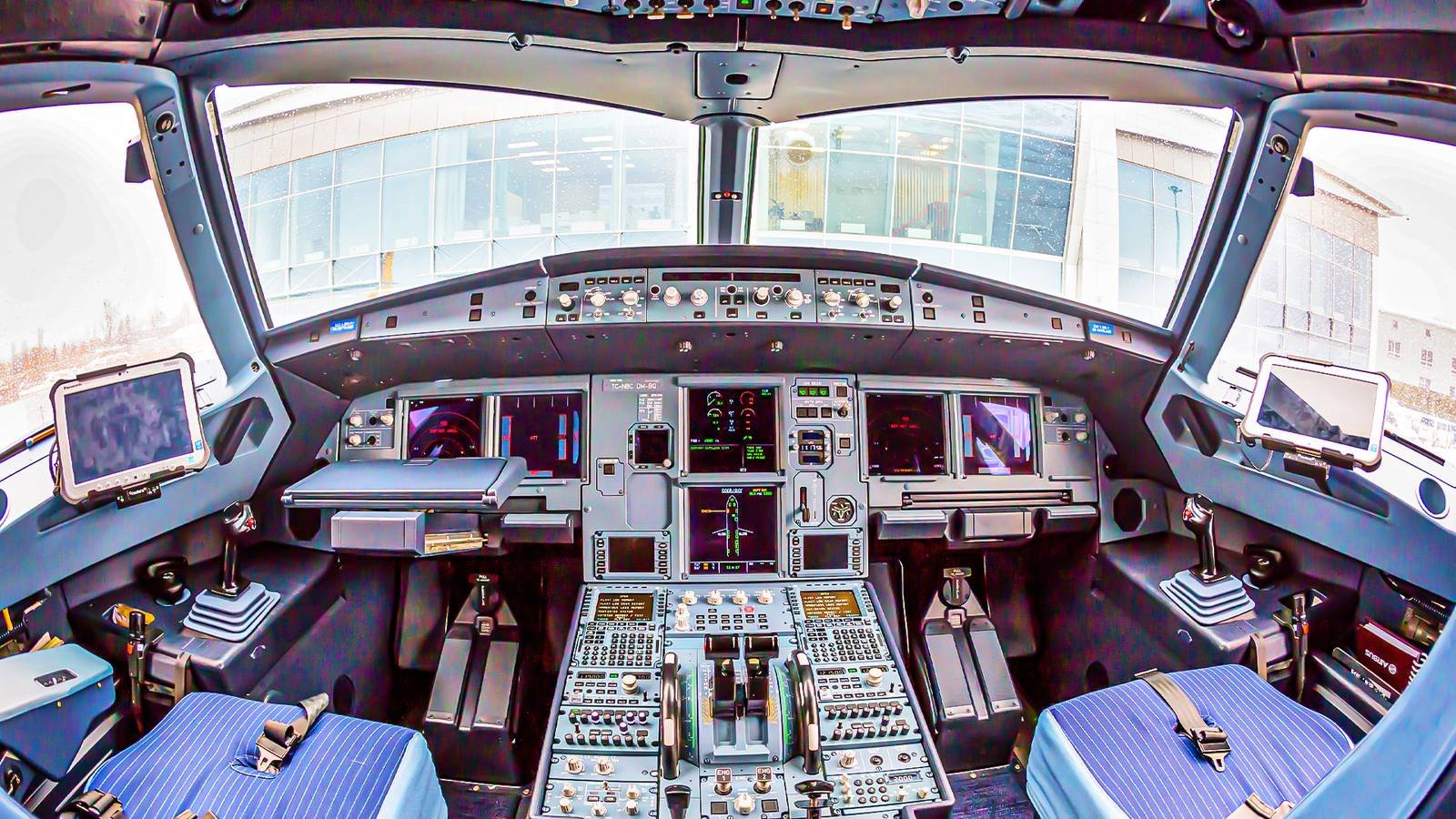
Yet, it is within the cockpit's tactile realm that the hearts of pilots truly resonate with their craft. Herein lies the profound divergence: the Airbus A320, graced with a sidestick control, offers an innovative departure from conventional yokes. This sleek instrument, positioned adjacent to each pilot, invites a workflow characterized by seamless automation. The folding table, a thoughtful addition, encourages pilots to engage with their environment, fostering both comfort and control.Meanwhile, the Boeing 737’s iconic yoke maintains a cherished connection to tradition, allowing pilots to experience flight in its most tactile form. This enduring design echoes decades of familiarity, emphasizing pilot authority and a prized connection to the aircraft. As pilots transition between these two systems, they encounter not merely hardware differences but an entire shift in mindset—a rediscovery of control that speaks to the very essence of their training.
Venturing deeper into these sanctuaries of human flight, the distinction in instrument layouts and cockpit aesthetics reveals an intricate tapestry of engineering prowess. The Airbus A320, with its glass cockpit and centralized displays, unfolds a clarion call for system clarity, employing a cool-toned palette that captivates the senses. Color-coded information beckons pilots to engage, imbibing a sense of harmony and order.In stark contrast, the Boeing 737’s cockpit exudes a more traditional allure, where years of evolutionary refinement yield a positively complex visual experience. The layered collection of instruments, traversing from its analog origins to the modernized glass cockpit of the 737 MAX, marries legacy with innovation while retaining the celebrated familiarity that pilots have come to value.
The aesthetics of overhead panels further exemplify the ethos of each manufacturer. In the Airbus A320, the arrangement is a testament to logic—a balanced display of controls designed for intuitive accessibility. Pilots consistently praise the neatness and consistency of the layout, where every switch weaves into the fabric of a cohesive system.Conversely, the Boeing 737’s overhead panel resembles a historical archive, reflecting layers of adaptation over decades. Although the MAX variant showcases refinement, pilots who appreciate the inherent density often find a sense of nostalgia in the design. What some may term “busy,” others embrace as a direct connection to the symphony of flight, effortlessly navigating its intricacies.
At the heart of this captivating exploration lies the dichotomy of fly-by-wire and mechanical heritage. The Airbus A320, a pioneer in digital fly-by-wire technology, envelopes pilots in protective assurances, crafting a symbiotic relationship with their aircraft. Meanwhile, the Boeing 737 embraces its roots, weaving a narrative of tactile interaction amid its innovative advancements.As we soar through this kaleidoscope of aeronautical excellence, we invite aviation enthusiasts to engage in our Reader Challenge: can you discern the subtle distinctions between the Airbus and Boeing cockpits in pictures? Each image is a canvas upon which the legacy of flight is beautifully illustrated, inviting you to immerse yourself in a world that transcends the conventional.
Thus, as the engines roar to life and the aircraft gracefully ascends, remember that these machines are not merely vessels of transportation; they are the embodiment of human aspiration, elegance, and the luxurious pursuit of knowledge and experience. In this narrative, the cockpits of the Airbus A320 and Boeing 737 stand distinct yet intertwined, each contributing to the grand tapestry of aviation history—an extraordinary journey, indeed.