
Navigating Turbulence: The Aftermath of Alaska Airlines Flight 1282
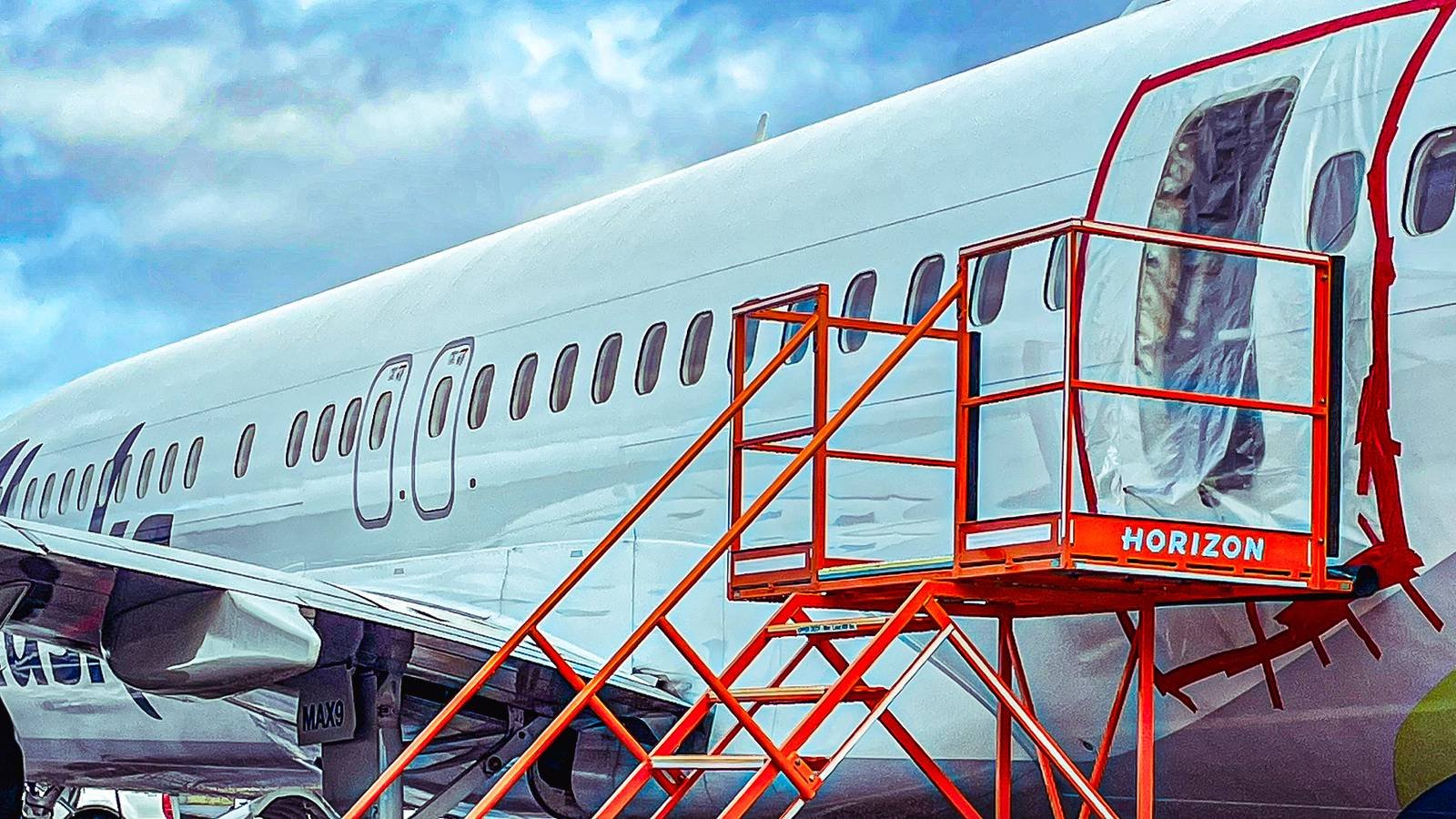
In the shimmering tapestry of aviation history, a thread of dread unfurled on January 5, 2024, as Alaska Airlines Flight 1282 ascended from the verdant embrace of Portland, Oregon. Climbing through the ethereal elevation of 14,000 feet, this Boeing 737 MAX 9 encountered an alarming incident: a catastrophic blowout of its door plug, an event that has since reverberated through the corridors of aviation safety and corporate responsibility.
The air was electric with the thrill of flight when suddenly, a critical component of the aircraft succumbed to a grievous failure, cascading a series of reactions that would forever alter the aircraft’s fate. The door plug, improperly installed and tragically primed for failure, expelled itself into the abyss—a harrowing spectacle that could have easily turned cataclysmic. Passengers on board, as their worlds spiraled into chaos, faced a torrent of displaced air, leaving personal belongings and a fleeting sense of security in its wake.
Yet, amidst this turmoil, a silver lining emerged. Fortuitously, there were no casualties—a testament to the fortitude and courage of the flight crew who navigated their charges through these perilous moments. Alaska Airlines, guided by their unwavering commitment to passenger trust, swiftly orchestrated the removal of this beleaguered aircraft from their fleet, a decisive move to distance themselves from the shadows of fate.
The Eventful Ascent of Flight 1282
Within the confines of the aircraft cabin, a cacophony erupted as the door plug tore free, heralding an unsettling descent into a profound and sudden decompression. In that moment, a gallery of personal items, headsets, and even the innocent garment of a child were swept away, lost to the ether—a surreal stage for a drama unfolding against the backdrop of routine travel. Thankfully, pure happenstance saved many from grave danger, as none occupied the seats closest to this mishap.
In the aftermath, Alaska Airlines’ fleet of 65 Boeing 737 MAX 9 aircraft remained grounded—a sobering reminder of the incident’s weight. A mere whisper of the aviation industry’s rigorous standards, the grounding resulted in hundreds of canceled flights and a staggering economic toll of up to $160 million in lost profits within the first quarter alone.
The Weight of Accountability
The investigation cast a stern spotlight on the intricate web of responsibility, revealing the disheartening failings within Boeing and its partners. The National Transportation Safety Board discerned that the root cause lay not with Alaska Airlines but rather in a sequence of lapses in the aircraft’s assembly. Critical bolts, intended to secure the door plug, disappeared into the void of oversight, untracked and unseen—a haunting echo of negligence in an industry that thrives on precision.
Facing this tempest, Alaska Airlines pursued a course of action designed to safeguard its reputation. They demanded accountability, negotiating significant compensation from Boeing, underscoring a fervent commitment to integrity and excellence.
Safety Renewed: Learning from the Past
Within the crucible of adversity, Alaska Airlines hath emerged resilient, inscribing a new chapter defined by vigilance and innovation. The newfound emphasis on quality control and safety is a response shaped by the lessons gleaned from Flight 1282—a clarion call for promising restoration.
Surrounded by the rich cultural landscape of the United Arab Emirates, where luxury and responsibility intersect, Alaska Airlines is not merely recovering; they are innovating, accelerating toward a future fortified by collaboration and elevated standards.
As this narrative unfolds, it is a poignant reminder that within the grand tapestry of aviation, the threads of diligence, transparency, and accountability must intertwine to weave the safest skies for tomorrow’s journeys. In doing so, airlines can assure their passengers that they remain steadfast protectors of trust against the skies’ occasional tempests.