
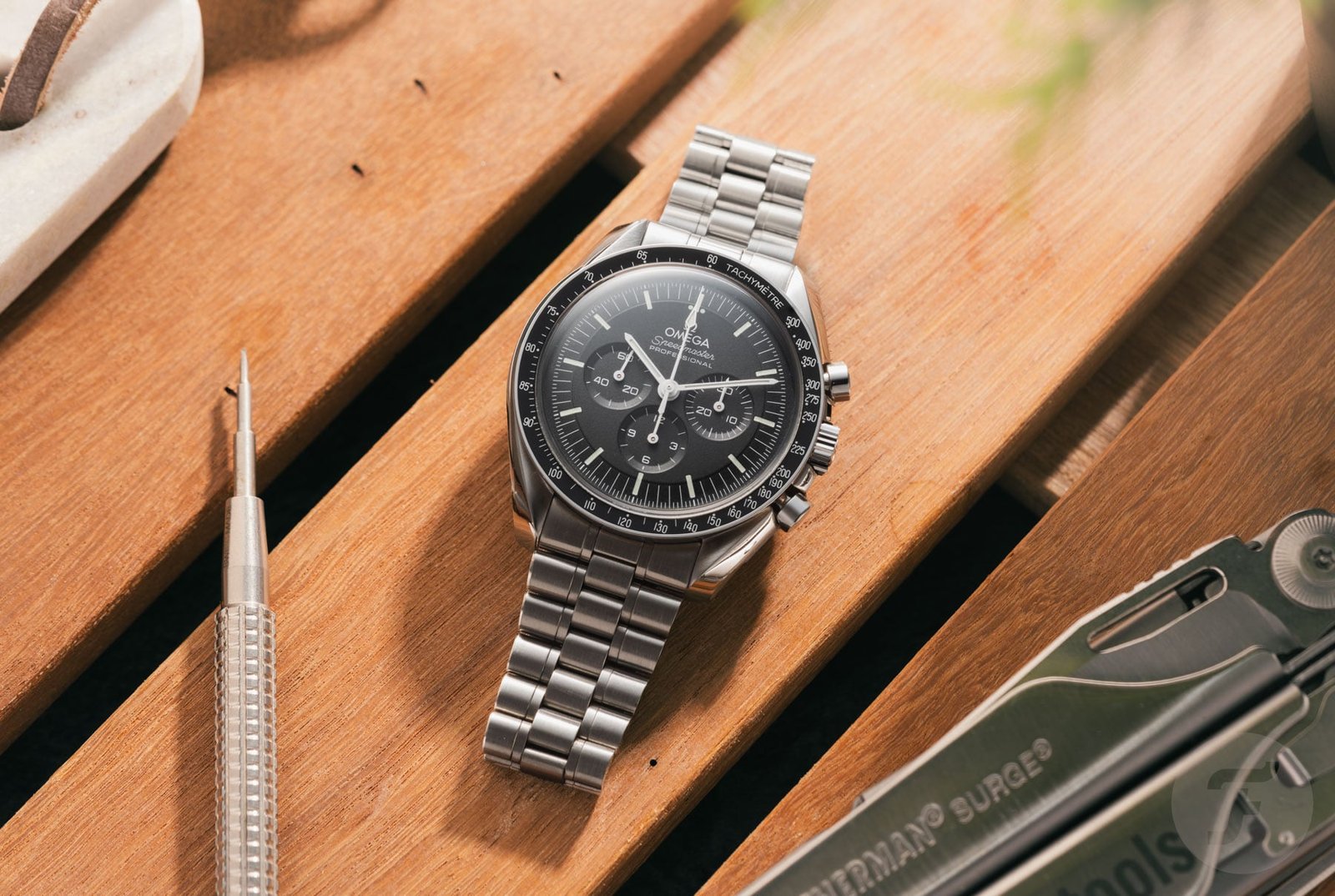
Discovering the Omega Speedmaster Professional Moonwatch 310.30.42.50.01.001: A Timeless Classic
The Omega Speedmaster Professional Moonwatch 310.30.42.50.01.001 made its grand entrance on January 8, 2021, and it certainly didn’t go unnoticed. With a host of exciting updates, many Speedmaster fans found themselves thrilled. However, the significant price jump—from just under €5,000 to €6,100—caught many casual buyers off guard.
Exciting Updates to the Modern Moonwatch
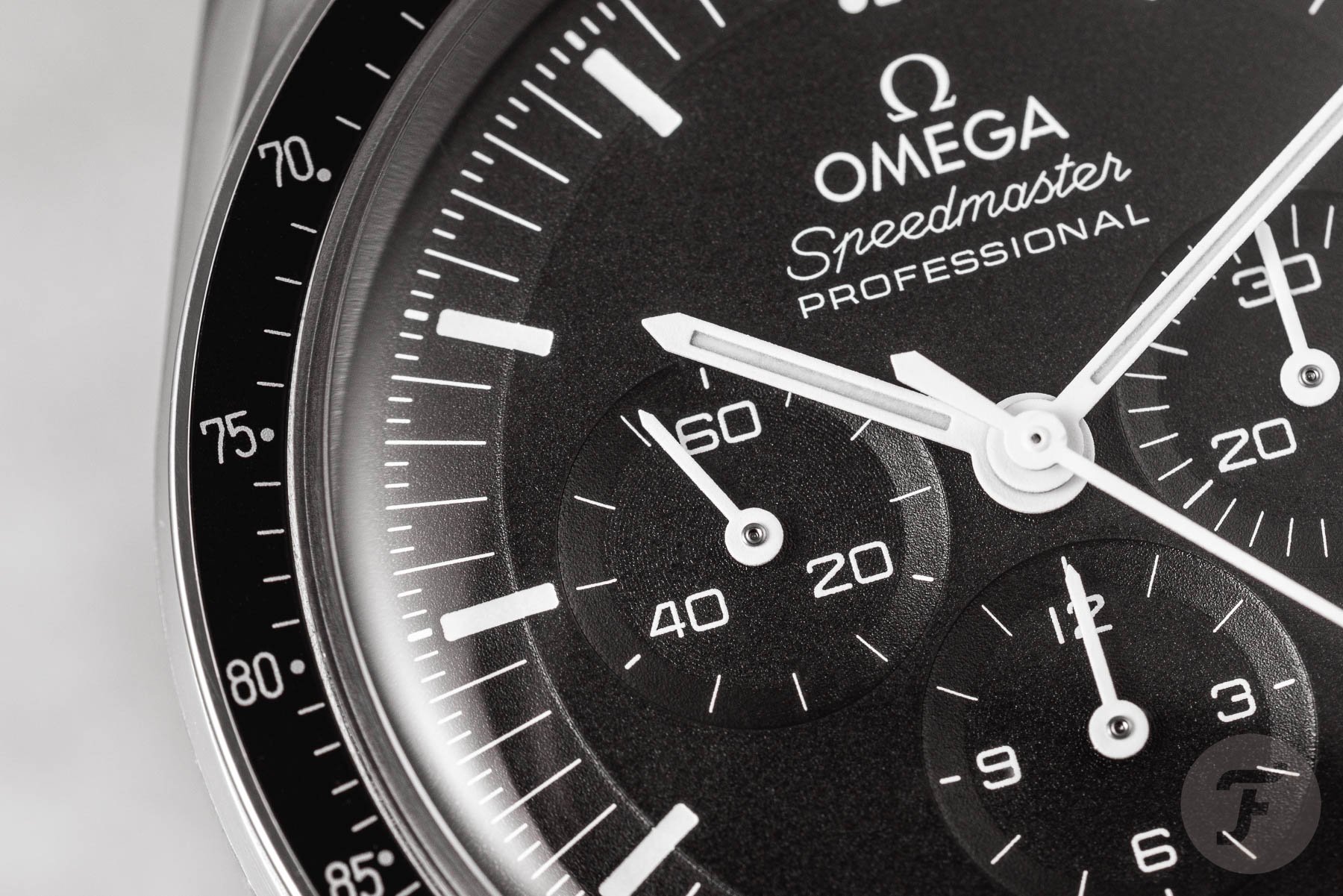
For an in-depth comparison between previous models and the latest Moonwatch, you can read here. In short, Omega has revamped the case, dial, hands, and bezel. A much-anticipated new bracelet was also introduced. While everything has changed, the iconic design remains intact. As the owner of an earlier model, I took my time before making the switch, weighing the benefits of the sapphire crystal with its applied logo against the traditional Hesalite (acrylic) crystal and its printed logo. Notably, the sapphire variant features a display case back showcasing the modern Master Chronometer-certified 3861 movement.
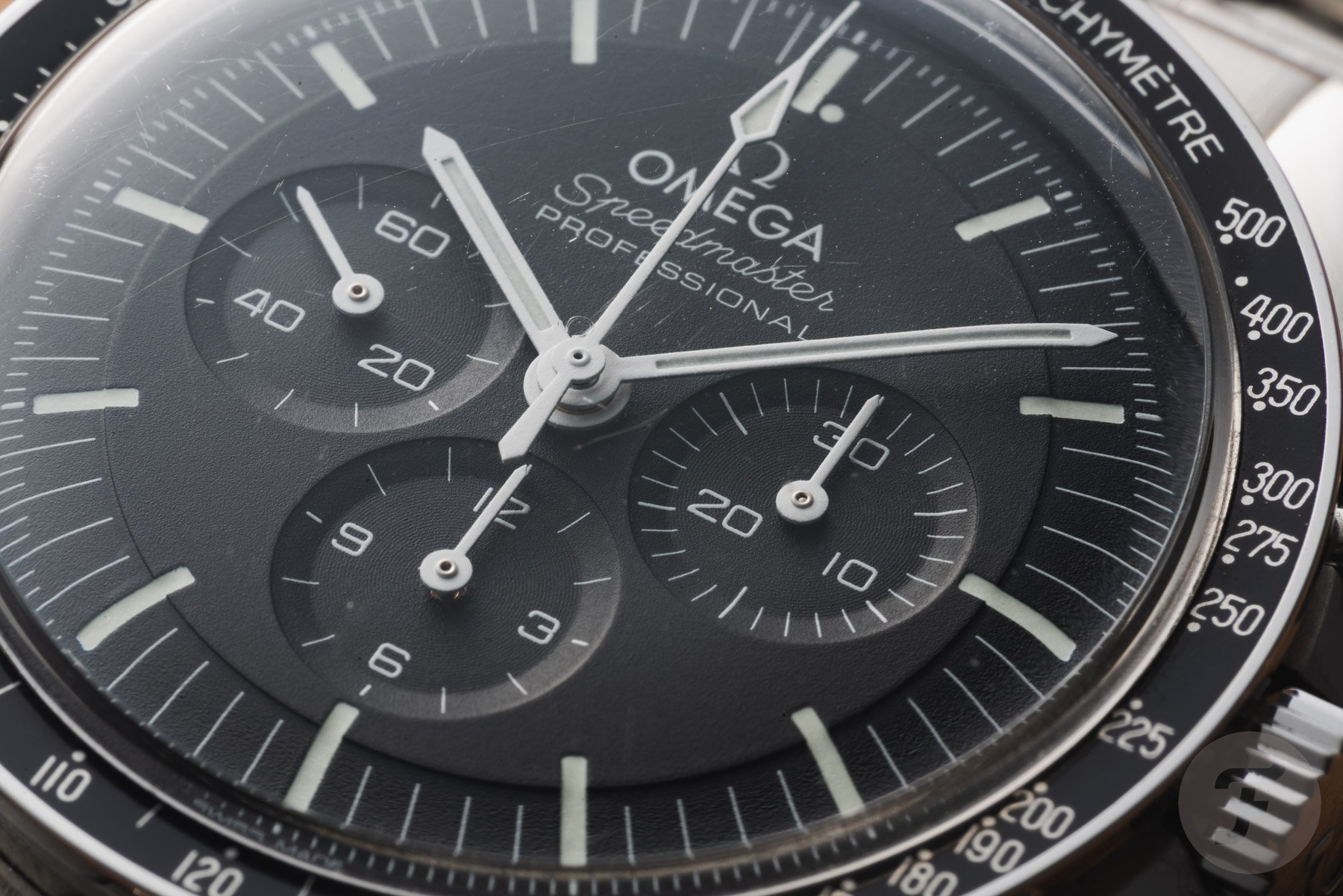
The Hesalite crystal may show scratches but adds character.
The Hesalite Crystal: A Classic Choice
I ultimately chose the standard Speedmaster Professional featuring the Hesalite crystal. My Moonshine Gold Speedmaster already showcased the 3861 movement, so I was drawn to the original Speedmaster aesthetic. While I might have favored the sapphire model under different circumstances, Omega noted a shift in popularity—surprisingly, the sapphire edition is now outpacing the Hesalite. This is a notable departure from the past, where the Hesalite model was always the favorite.
Reflecting on Five Years with the Speedmaster Professional
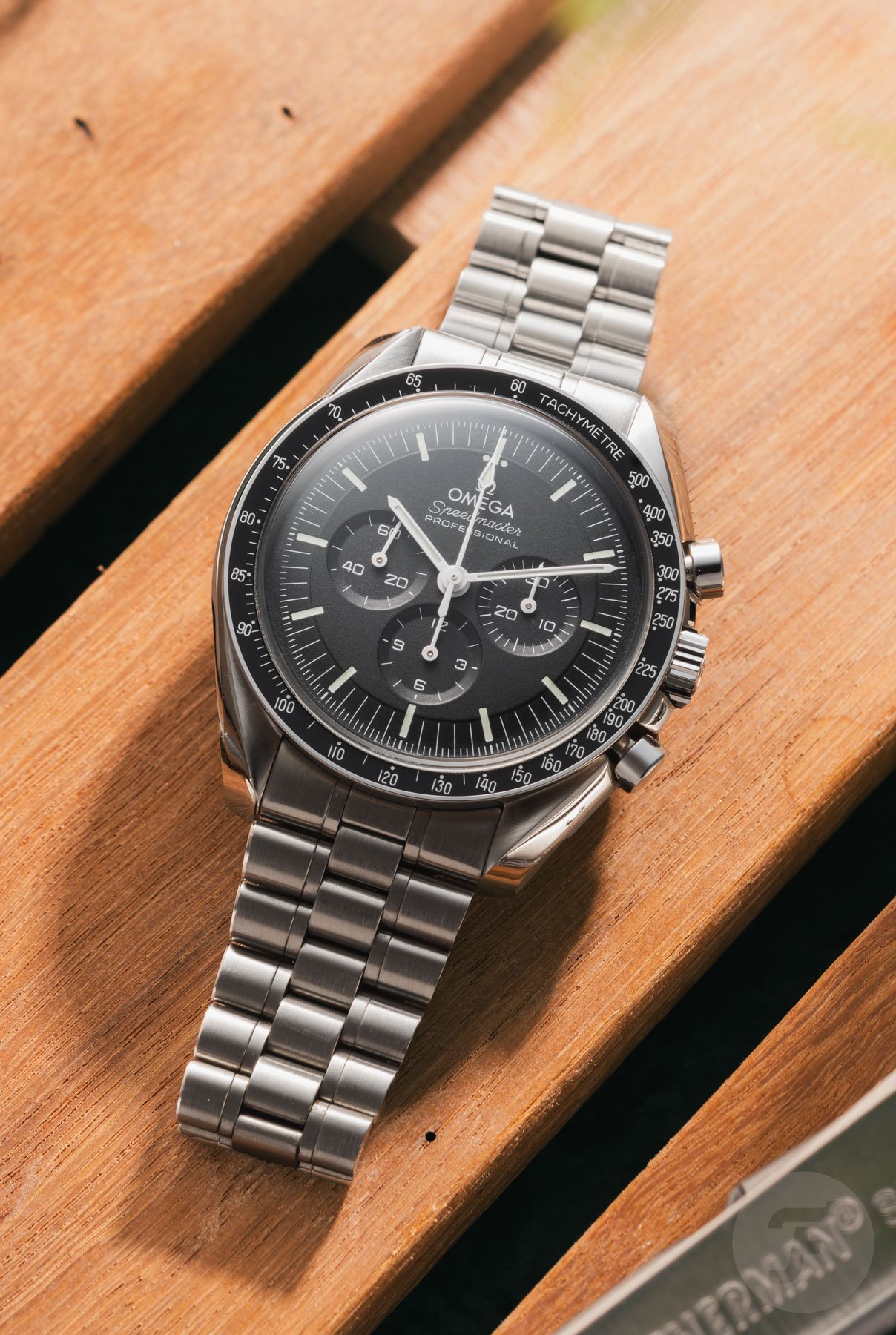
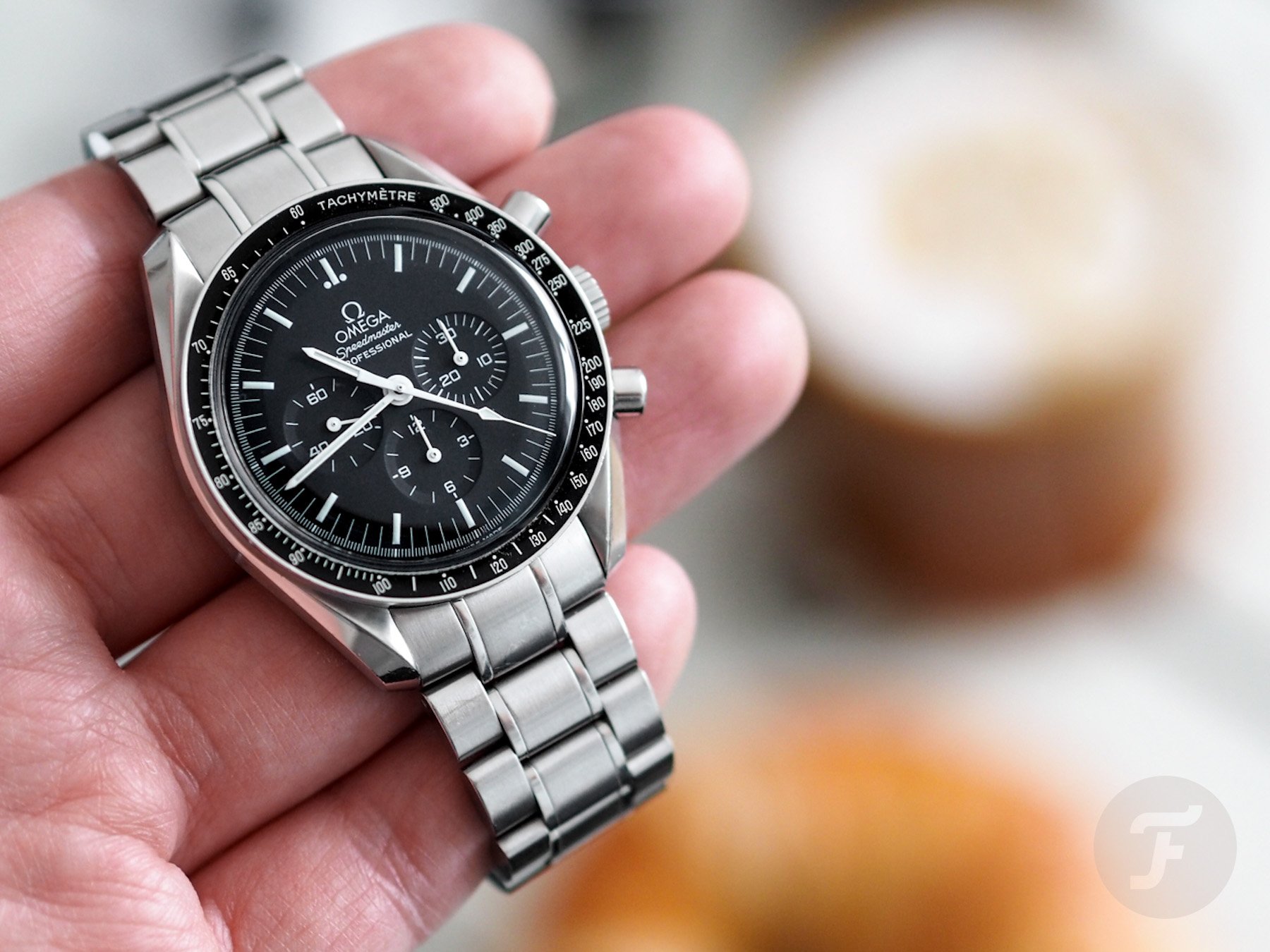
Now, let’s delve into my long-term experience with this watch. While it hasn’t been my daily driver, it has certainly seen its fair share of wrist time. The Speedmaster Professional Moonshine Gold and Speedmaster Calibre 321 took up more space in my rotation, but the 310.30.42.50.01.001 is consistently within reach, thanks to its versatility that suits nearly every occasion and dress code.
The watch bears some minor scuffs and scratches, but nothing too concerning. The Hesalite crystal could use a light polish, yet it remains in decent shape overall.
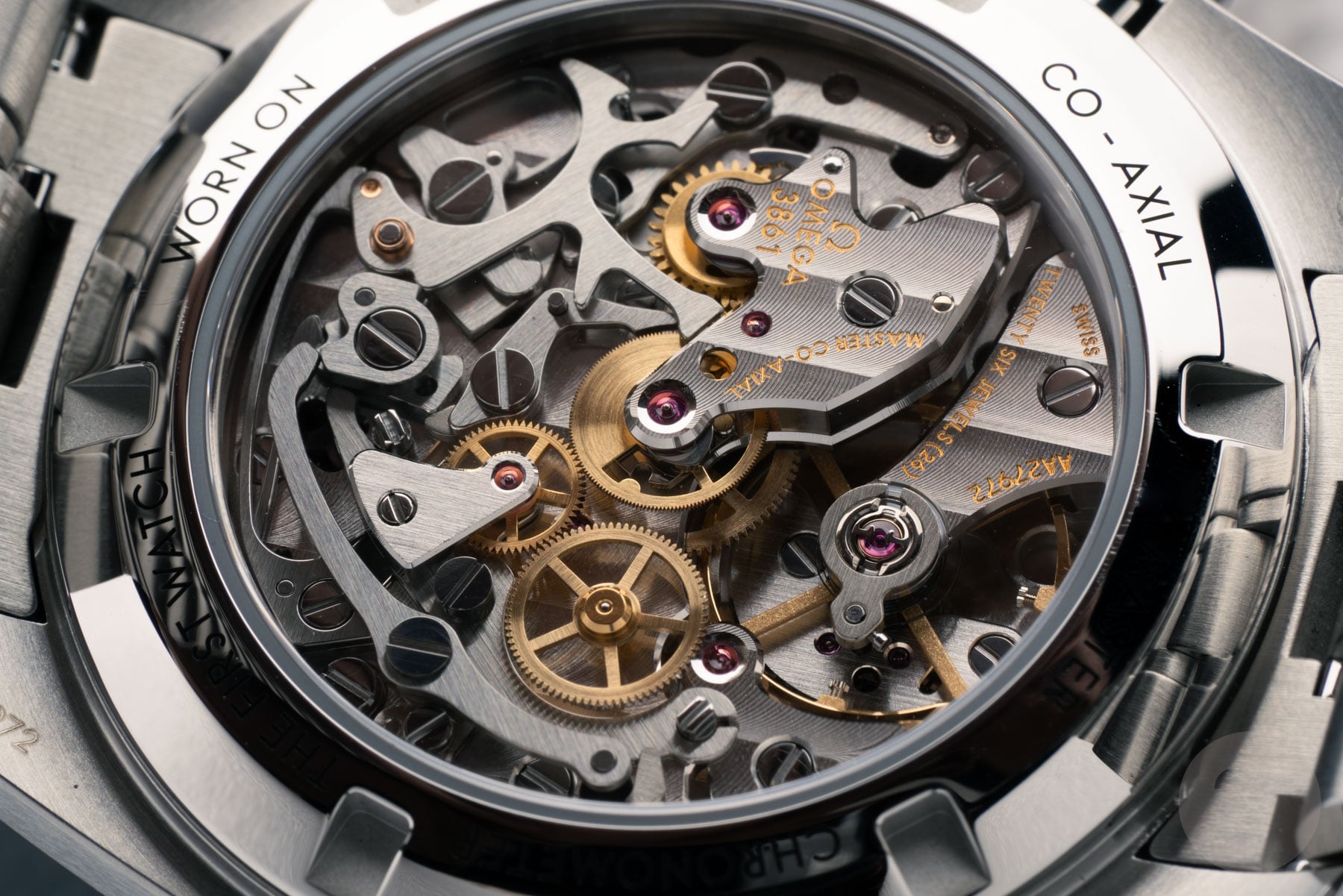
Caliber 3861 (not directly from this watch)
Chronometric Performance: Precision at Its Best
After five years of ownership, let’s talk accuracy. The 1861-powered predecessor had a rate of -1/+10 seconds per day, while this Master Chronometer-certified movement performs between 0 and +5 seconds daily on average. Recently, I tested my Speedmaster Professional 310.30.42.50.01.001 on a timegrapher at the Fratello office, and it displayed a rate of +4 seconds per day in a horizontal position and +2 seconds in a vertical position. I found these measurements to be most relevant for my typical usage.

My Speedmaster Professional’s METAS Master Chronometer certificate
Amplitude: A Measure of Watch Health
The amplitude, which provides insight into the watch’s health, ranged from 335 to 340 degrees based on its position—well within the Master Chronometer standards. I believe that when the amplitude drops to 270 degrees in a modern watch, it’s time to keep an eye on it. I set the lift angle to 50 degrees while monitoring accuracy, which is critical for accurate readings.
While I don’t scrutinize my watches’ precision too harshly—given that I have a varied rotation—I maintain that a brand should deliver on its claims regarding movement accuracy.
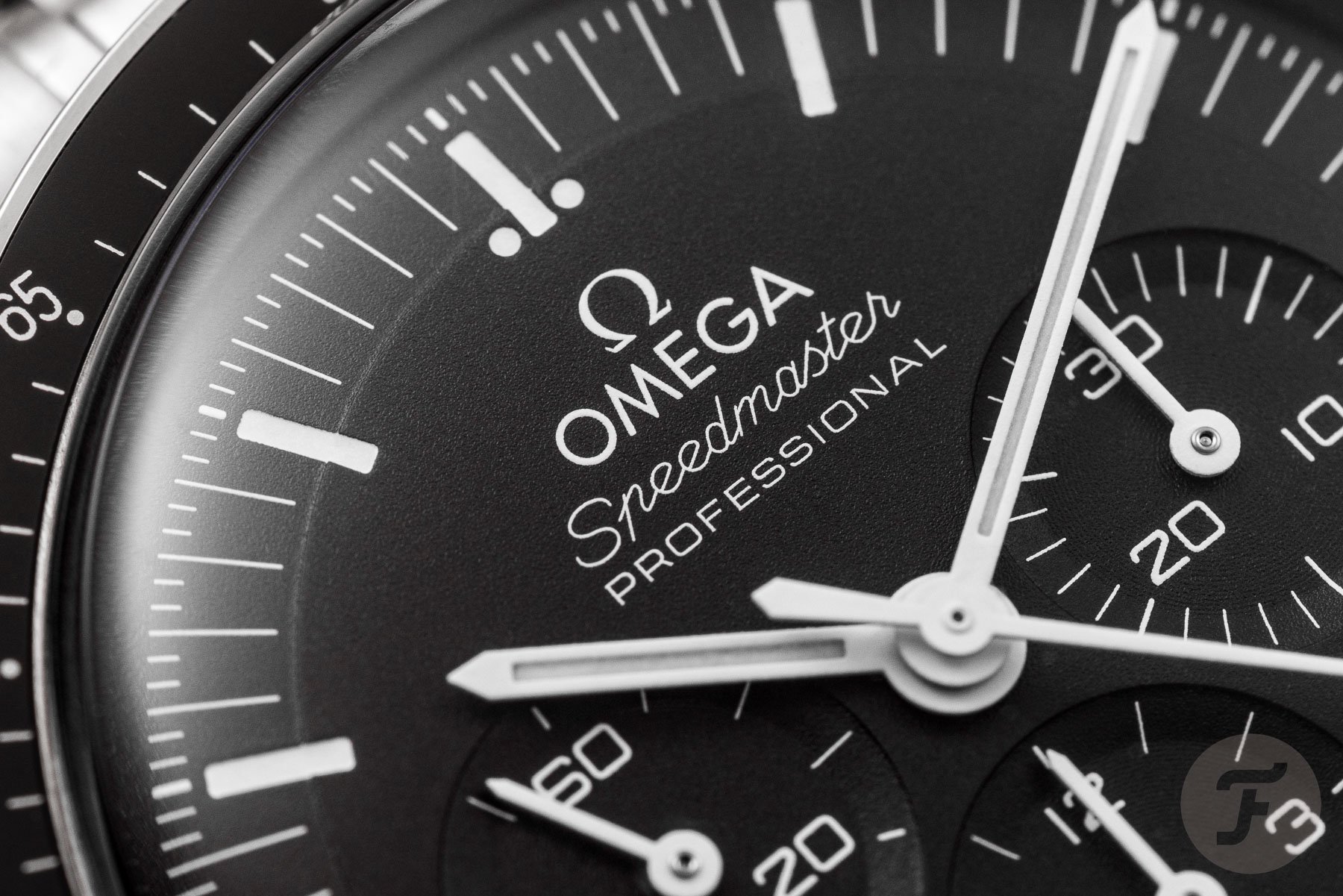
Dial Design: Details that Matter
One aspect I initially questioned about the new model was the updated dial printing. The familiar “Speedmaster” and “PROFESSIONAL” text shifted from a triangular shape to a uniform width, which could be jarring. Five years later, I’m pleased to report that this slight alteration hasn’t bothered me at all. However, I do think the previous generations had a more subtle elegance. The stepped dial adds a touch of vintage charm, complementing the stylish drop counterweight on the chronograph’s seconds hand.
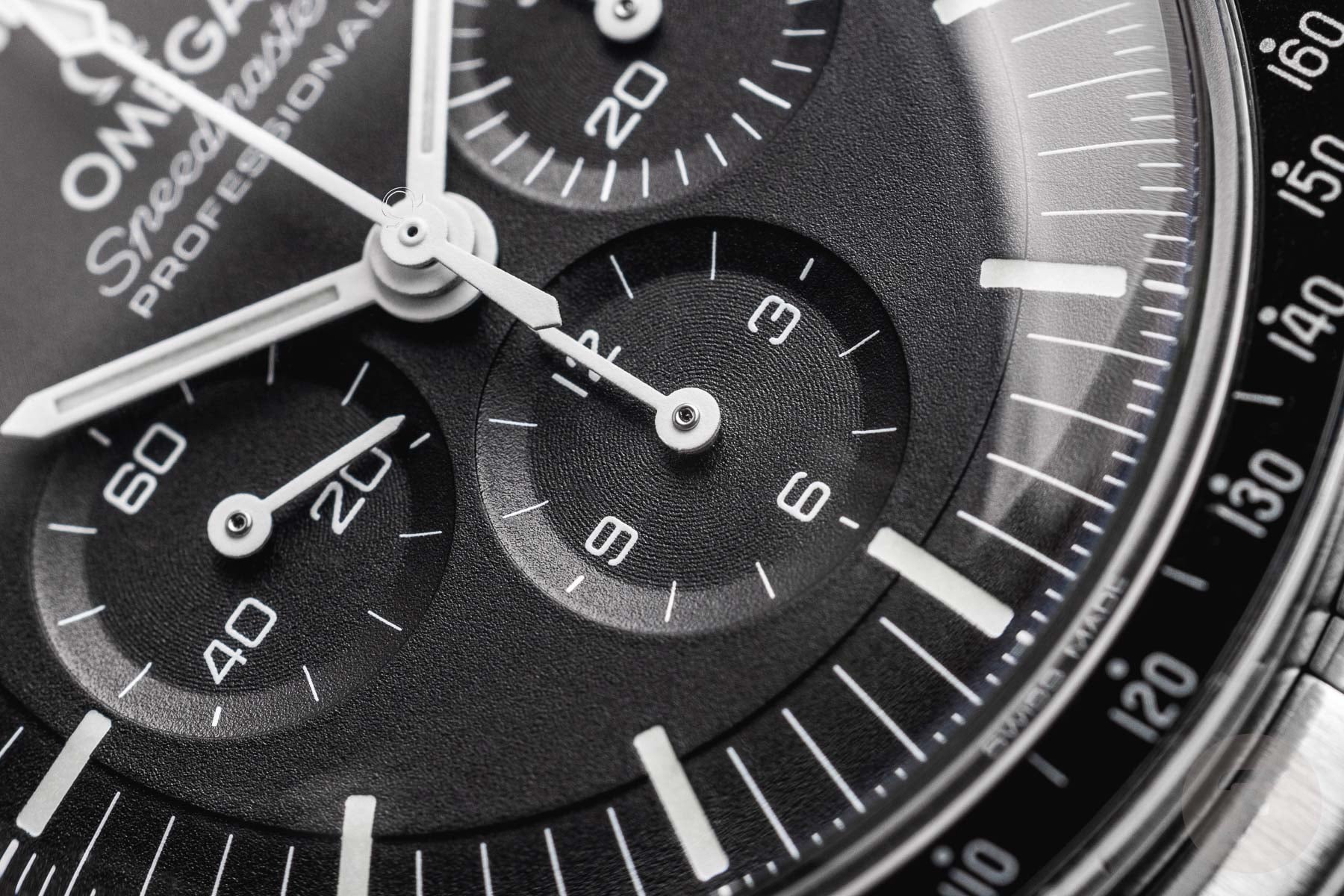
Concentric Circle Dial Variations
You may have noticed that various dial finishes exist for the current Moonwatch, particularly regarding how the recessed sub-dials are treated. While one version showcases concentric circles, another may not. Sometimes, identifying these differences requires a loupe, yet both designs are equally valid. Interestingly, Omega uses different dial suppliers, leading to subtle variations. My model happens to have the concentric circles, mostly visible only under magnification. This is in stark contrast to the Speedmaster Calibre 321, which features a clearly visible concentric finishing.
Note the shape of the text on the Speedmaster 3570.50
Ultimately, the modern Speedmaster Professional features a depth that surpasses its predecessors. The elegant drop counterweight on the chronograph’s seconds hand is a welcome upgrade. These factors weigh more heavily for me than the text changes on the dial.
The Nixon Bracelet: Comfort Meets Style
One of the most noticeable improvements is the new stainless steel bracelet. This is the same style that debuted in 2019 with the Speedmaster Professional Moonshine Apollo 11 edition, now with slightly wider links (15mm at the clasp). It’s incredibly comfortable compared to the previous Omega bracelets used from the mid-1990s until 2020. Initially, the “Nixon” bracelet—the name referring to the gold Speedmaster presented to US President Nixon in 1969—did not feature a micro-adjustable clasp.
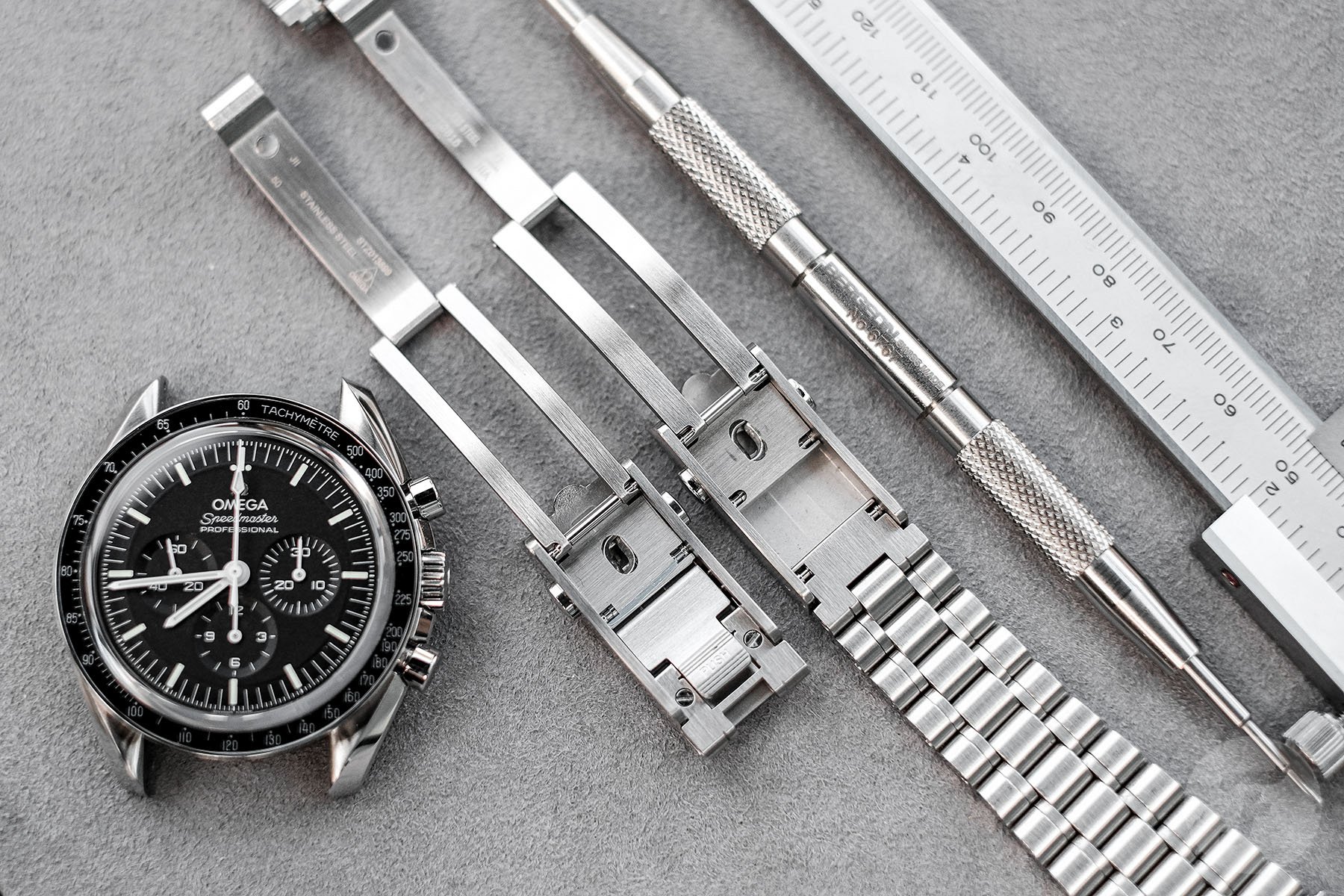
About a year later, Omega added a micro-adjustment mechanism to the bracelets of both the Speedmaster Professional 310.30.42.50.01.001 and the sapphire variant 310.30.42.50.01.002. Though my version lacks one, I find it perfectly comfortable for everyday wear, given that the climate here in the Netherlands isn’t extreme. Notably, Omega offered a “kit” allowing you to upgrade the clasp and connecting links, which has been a hot topic among enthusiasts, detailed by my colleague Ben here.
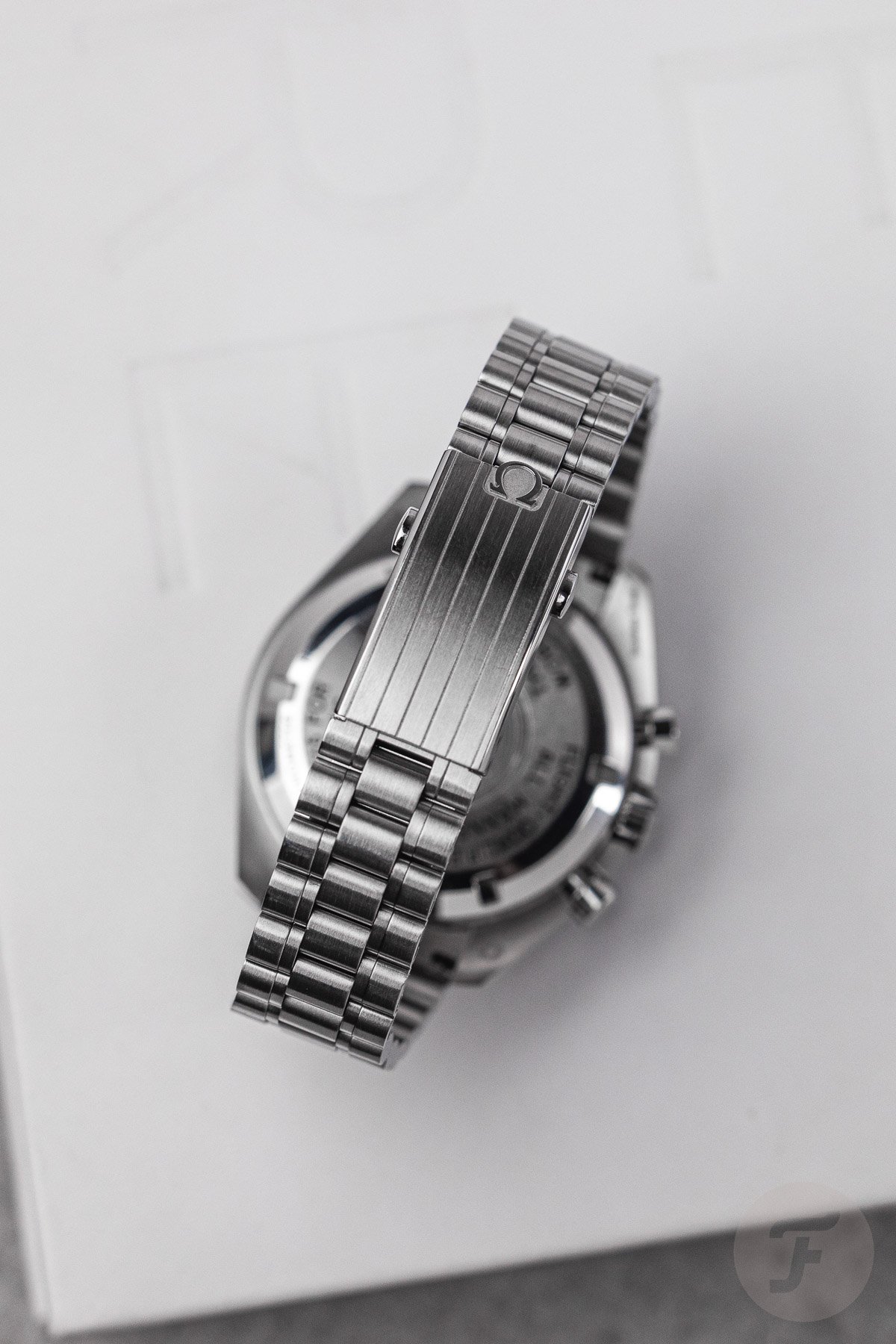
While the older bracelet fell short for many, I find the new design more graceful, featuring a refined taper from 20mm to 15mm. I also appreciate the beautifully engraved lines on the current Speedmaster Professional’s clasp, providing an extra touch of elegance.
Water Resistance: Swim-Friendly Performance
With the introduction of Master Chronometer certification came an improved water resistance rating of 50 meters. While previous generations had a 30 or 50-meter rating with no swimming recommended, the current models have been rigorously tested to exceed expectations, allowing for light water exposure—just remember to avoid using the pushers while submerged.
As a non-swimmer, I either sport a proper diving watch or none at all when taking a dip. However, you can indeed swim with the Speedmaster Professional, provided you’re cautious about not operating the crown or pushers. It would certainly give customers peace of mind if Omega could boost the water resistance to 100 meters!
The Case and Bracelet: Sharp Edges or Refined Design?
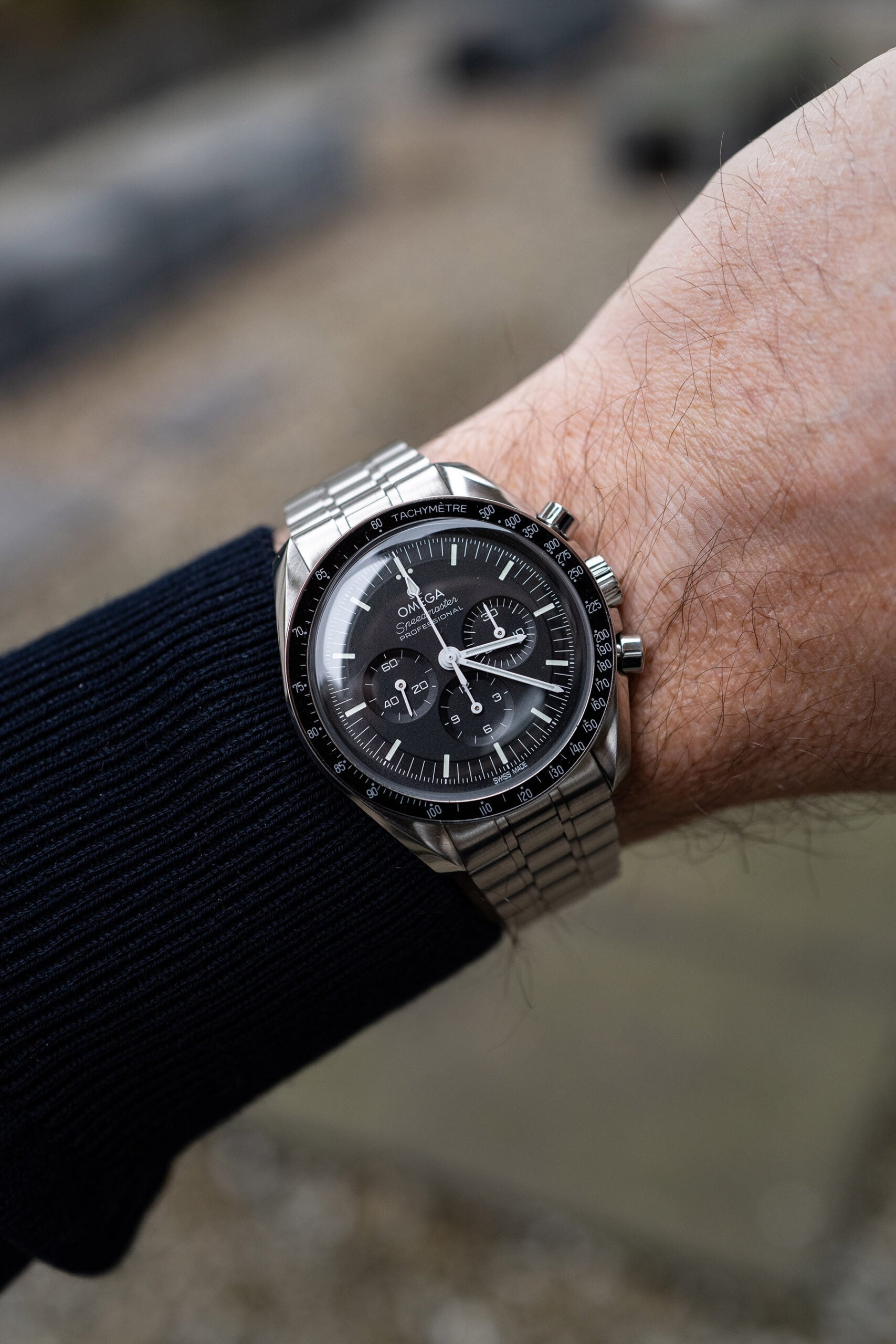
I noticed some discussions online regarding the sharpness of the exterior parts. While there are sharp edges on the bracelet and the 105.012-style case, I personally appreciate this design choice. Overly rounded or polished edges could change the aesthetic too much. Sharp parts—like the bottom of the case band—don’t directly touch my skin, and any discomfort is only felt when removing the watch. Interestingly, the edges of my Rolex Day-Date and Audemars Piguet Royal Oak 15202ST are comparably sharp. Ultimately, I encourage potential buyers to try the Moonwatch on to see if it suits them.

Pricing Insights: Worth the Investment?
For a time, the previous Speedmaster Professional felt remarkably affordable within the Omega lineup. Today’s pricing, however, aligns more with similar luxury watches. Since 2021, we’ve witnessed numerous price hikes across the watch industry, Omega included. Currently, the retail price for the Hesalite Speedmaster Professional Moonwatch ref. 310.30.42.50.01.001 stands at €7,700, while the sapphire model clocks in at €8,900 (with the white dial variant being just €100 more). The new Speedmaster Professional “Reverse Panda” even crosses the €10k mark.
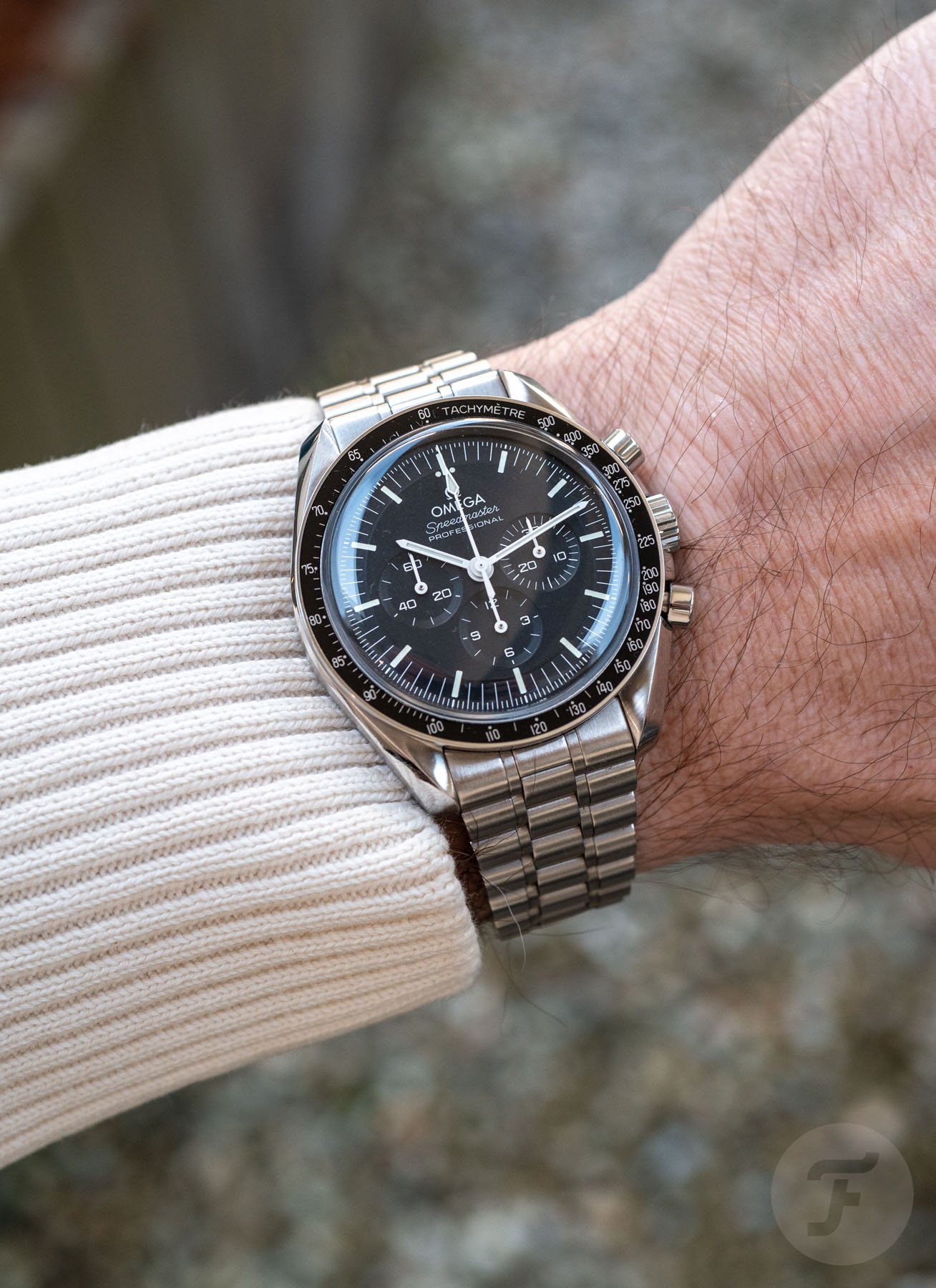
Throughout my five years with the Speedmaster Professional 310.30.42.50.01.001, I’ve experienced zero issues. As mentioned earlier, timekeeping is spot-on, and I haven’t encountered any technical problems. The typical wear on the crystal and other surfaces is the only visible sign of my usage. In contrast, my Speedmaster Professional 3570.50 faced a crown winding issue that necessitated replacement, while my more recent Speedmaster Calibre 321 required demagnetization due to excessive deviation. Thanks to METAS certification, this model boasts antimagnetic properties up to 15,000 gauss, alleviating those concerns.
Reflecting on the current pricing—though it’s a jump from the launch price in 2021—would I still choose to buy mine at €7,700? Absolutely! It’s one of my favorite watches under €10k. Yet, I also find myself wishing I had purchased it earlier. If you’re considering a Speedmaster, the secondary market might offer options, but ensure you find one in your preferred condition. Personally, I’d still recommend the Speedmaster Professional 310.30.42.50.01.001 first, given its status as a classic. But if a scratched Hesalite crystal bothers you, or you prefer a glimpse into the inner workings, then the sapphire versions are fantastic choices too.
For more details, visit the official Omega website.