
The Majestic Evolution of the McDonnell Douglas DC-10 and MD-11: A Journey Through Aviation’s Elegant Transformation
In the grand tapestry of aviation history, few aircraft have left an indelible mark quite like the McDonnell Douglas DC-10 and its successor, the MD-11. At first glance, these two magnificent tri-jets exude a striking similarity with their elongated fuselages, graceful lines, and stately tail-mounted engines. Yet, as one ventures beyond their exterior elegance and into their cockpit sanctums, the differences unfurl like an exquisite tapestry—revealing not just technological advancements, but a profound philosophical shift that redefined the landscape of commercial aviation.
Instrument Panels: The Shift from Mechanical Transparency to Digital Refinement
Stepping into the cockpit of a DC-10 is akin to entering an era where engineering was celebrated in physicality. The instrument panel, replete with analog gauges, beckoned pilots to engage with a symphony of mechanical harmony. Each crucial parameter—airspeed, altitude, engine pressure—was immortalized in a dedicated dial, compelling a meticulous scan of instruments. The overwhelming abundance of round gauges and annunciator lights fostered an environment of disciplined vigilance, requiring pilots to cultivate a heightened situational awareness as they navigated the vastness of the sky.
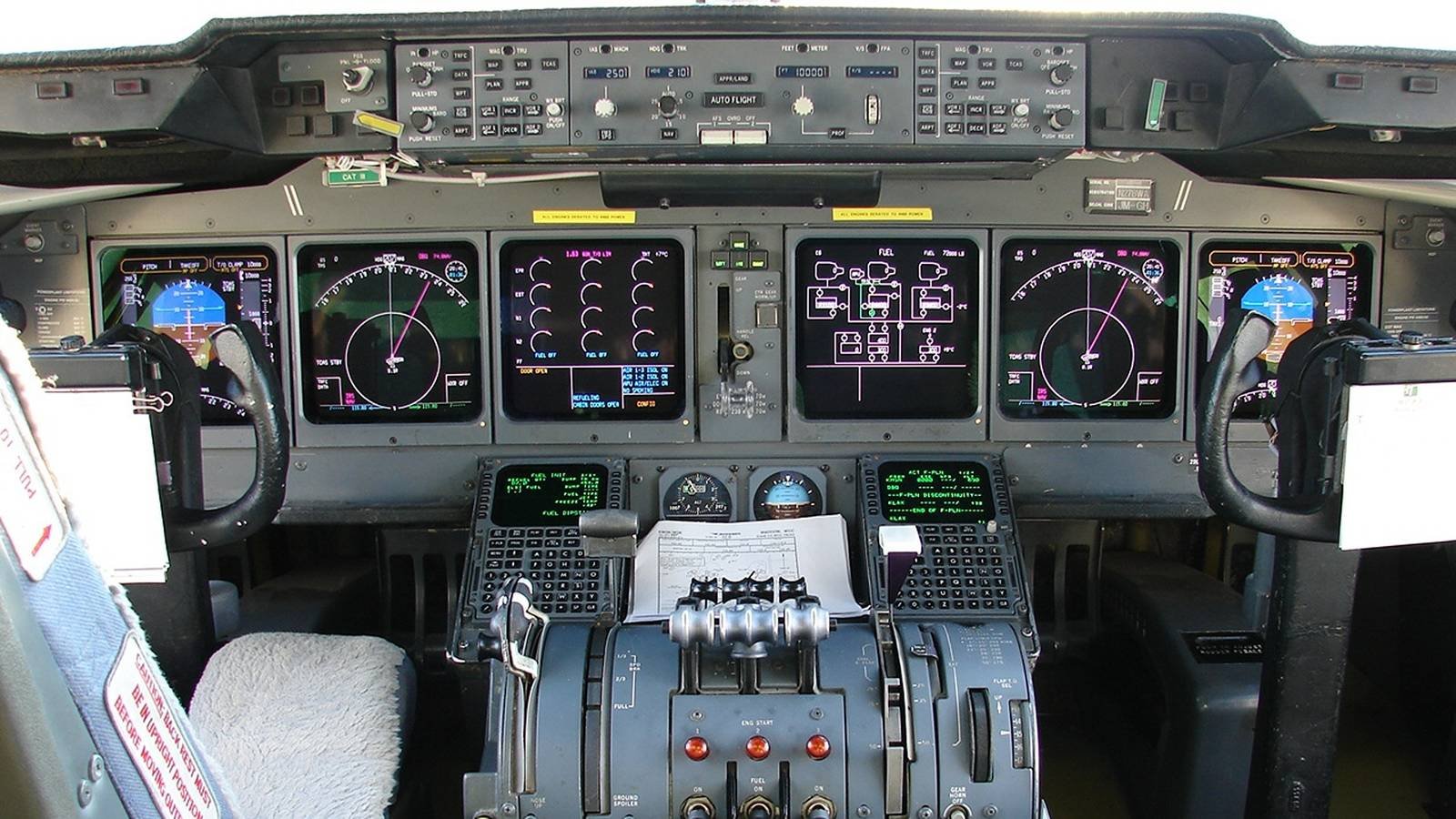
In contrast, the MD-11 heralded a future where familiarity with machinery gave way to intuitive interaction with digital interfaces. Gone were the days of solely tethering oneself to the physical realm of dials. Instead, large displays emerged, elegantly presenting data in structured layers. Information became curated rather than scattered, inviting pilots to engage with synthesized summaries that distilled the complexities of flight into digestible insights. Modernity enveloped the pilots in a cockpit that was less about scanning for minutiae and more about interpreting a holistic overview of operations.
Crew Composition: A Triad of Minds Versus a Duo of Experts
The DC-10, in its golden age, was a bastion of teamwork, designed for three pilots—the captain, first officer, and a dedicated flight engineer. This trifecta formed a vigilant guardian of the skies, with the latter overseeing an intricate array of systems, from fuel distribution to environmental control. The very act of flying became a collaborative journey of checklists and continuous monitoring across an expansive cockpit landscape.
However, the MD-11 signified a decisive pivot, consolidating responsibilities to just two pilots. The ethereal cockpit that emerged was an orchestration of technology seamlessly facilitating autonomy, allowing primary flight data, navigation, and engine metrics to reside in a harmonized digital space. This shift brought about a profound transformation: during critical phases of flight, the pilots retained a clear visual aesthetic that minimized distraction and maximized focus, reshaping the dynamics of cockpit teamwork.
The Essence of Automation: From Pilot-Led to System-Orchestrated Mastery
While the DC-10 embraced automation as an auxiliary, demanding constant pilot judgment and manual planning, the MD-11 redefined the pilot-machine relationship, beckoning pilots into a realm where systems proactively participated in flight orchestration. The harmonious integration of advanced Flight Management Systems empowered crews to input entire routes, optimizing climb and descent profiles with ethereal precision. Suddenly, the aircraft transformed into a symbiotic partner, instilling confidence in pilots with real-time adjustments and performance predictions.
Legacy: A Line Drawn Between Eras
As the sun set on the era of the DC-10, it cemented its legacy as a culminating achievement of analog sophistication alongside contemporaries like the Boeing 747 and Lockheed L-1011. Designed with complexity laid bare, its cockpit radiated an aura of tangible reassurance, sustained by vigilant human oversight.
Conversely, the MD-11 flourished as a transitional bridge, elegantly melding a traditional flying experience with the convenience of digital innovation. It retained the feel of conventional pilot authority while embracing modern efficiencies that would come to define future aircraft models like the Boeing 787 and Airbus A350.
In essence, the DC-10 embodied a reverence for hands-on management of distributed systems, while the MD-11 introduced a paradigm of integrated software, reimagining how the dance between pilot and machine could evolve within the bounds of aviation’s sprawling legacy. Together, they narrate a story of progress, deftly intertwining human intention with the inexorable march of technological advancement.
Each flight in these aircraft serves as a reminder of a moment in time—where elegance meets innovation, and where the skies become a canvas for the artistry of human ingenuity. Discovering the nuances of these remarkable machines is not merely an exploration of aviation; it is an invitation to witness the evolution of luxury travel itself.