
Why Serviceability Matters: Keeping Your Mechanical Watch Alive for Generations
Among watch enthusiasts, there’s a saying that a mechanical watch doesn’t truly belong to you; instead, it’s something you nurture for the next generation. While this poetic notion is appealing, it comes with an uncomfortable reality: durability is only part of the equation. The other crucial factor is serviceability—the ability to maintain and restore that watch over the decades and even centuries.
As I’ve explored the world of mechanical watches, I’ve experienced everything from shiny, new arrivals to well-loved vintage gems that still tick despite their years of wear. One thing has become abundantly clear: in the realm of mechanical timepieces, longevity involves more than just engineering; it also hinges on support, parts availability, expertise, and a commitment from the maker and the broader watchmaking community.
A Personal Case for the Long View
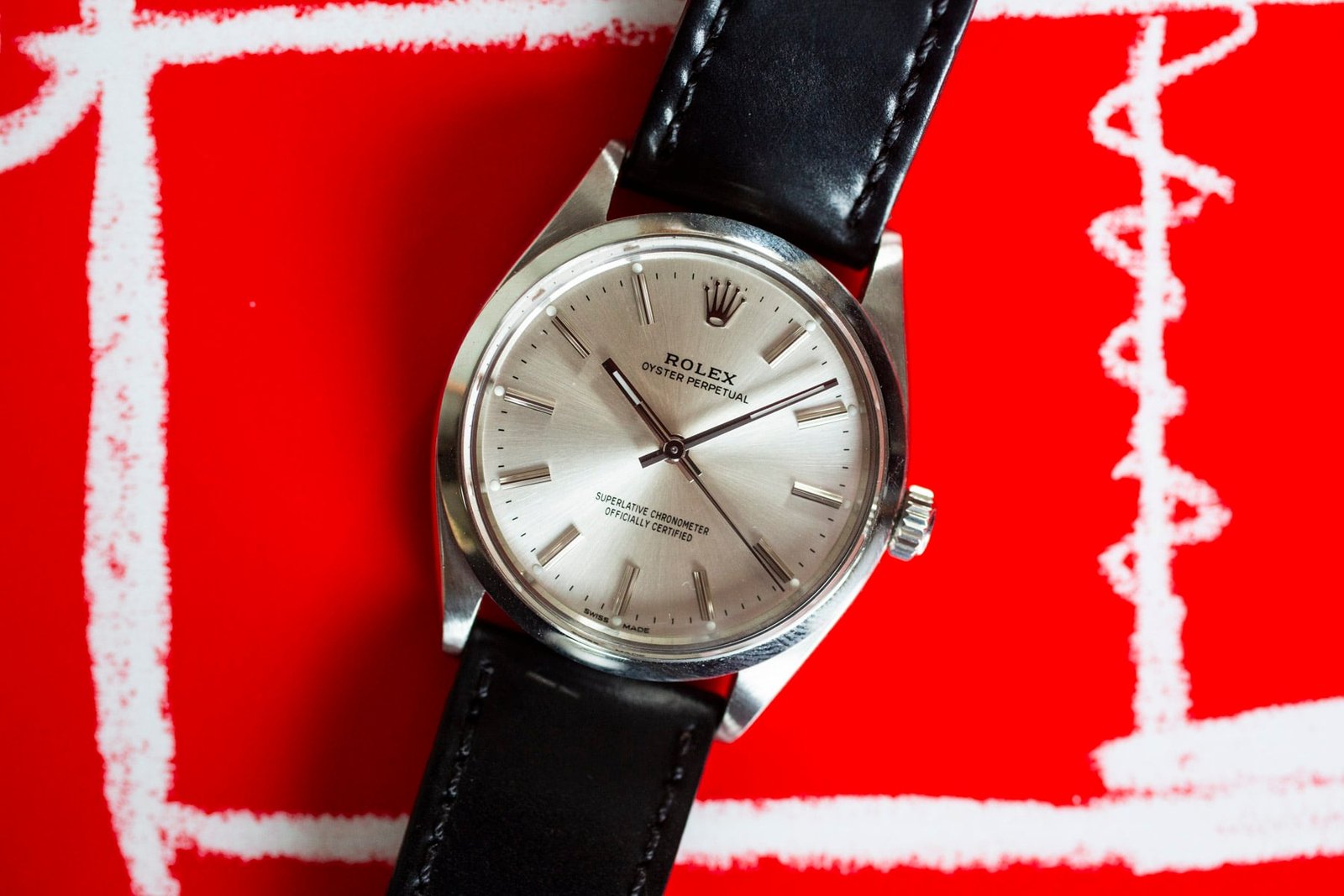
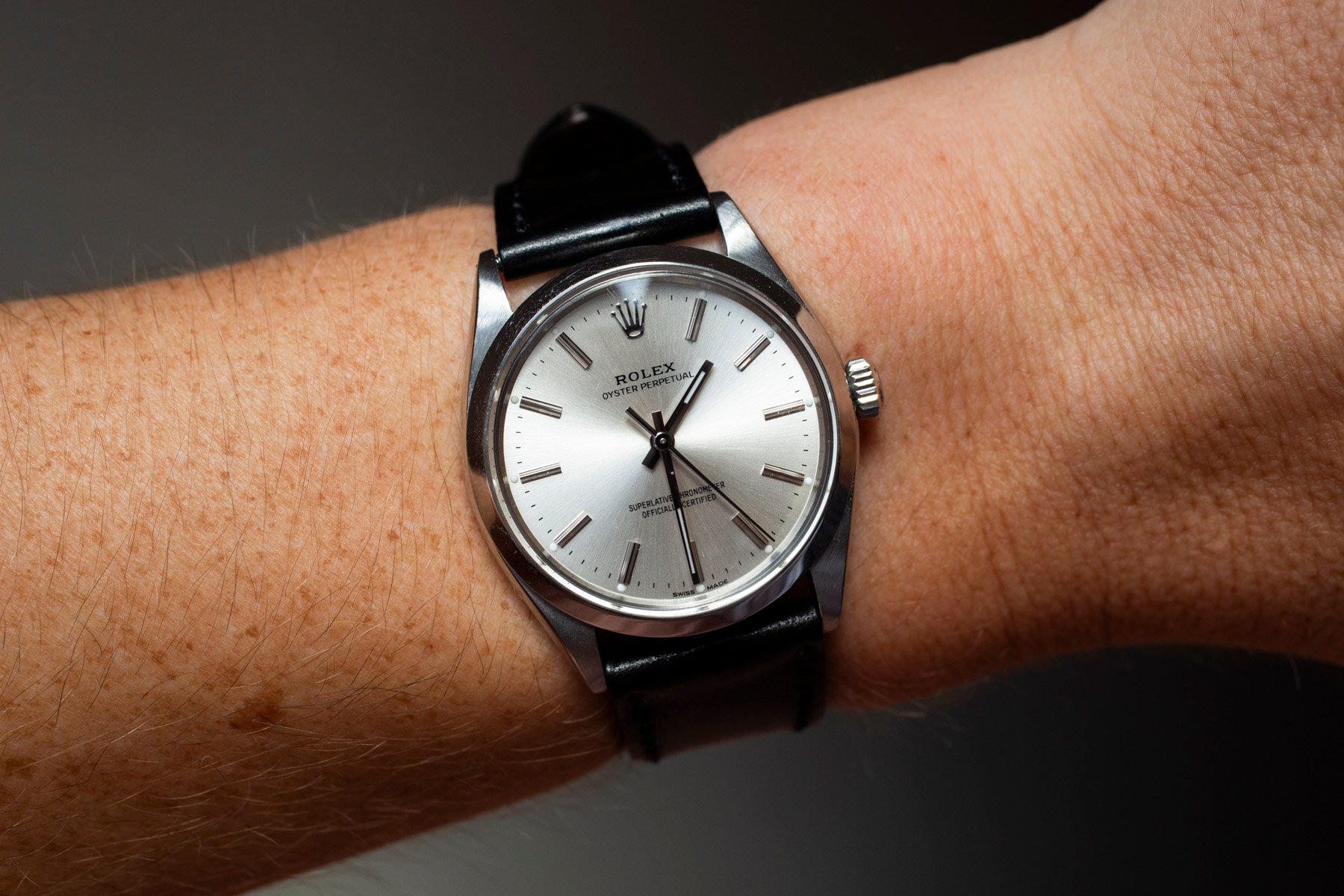
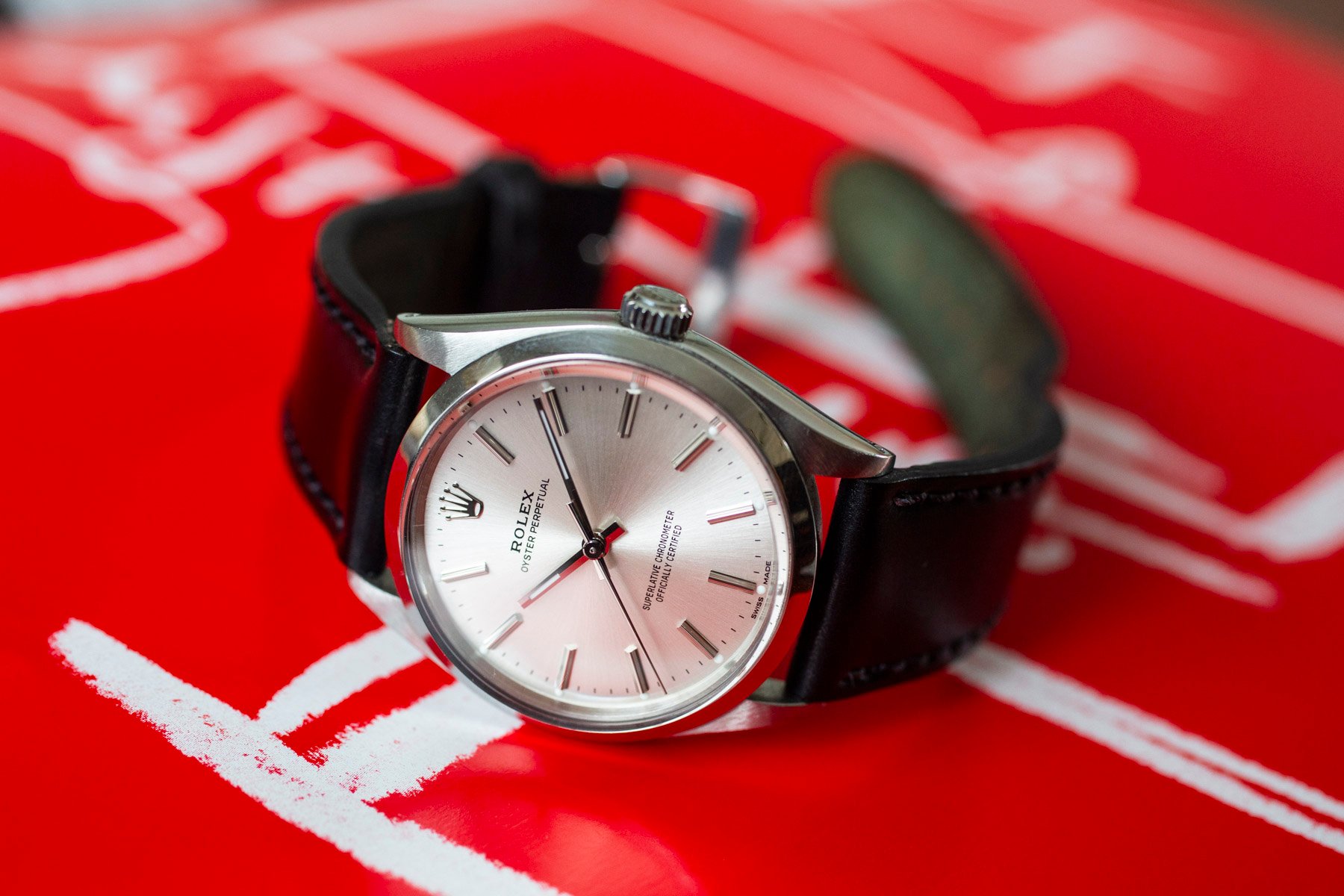
Consider my enduring appreciation for my first Rolex, the Oyster Perpetual 1002. This simple yet stunning three-hander opened my eyes to the importance of vintage watches. Beyond the aesthetics, it taught me that maintaining a watch is as critical as enjoying it in the moment. Servicing remains a straightforward choice for vintage Rolex pieces, provided you’re not dealing with something particularly rare.
The 1002 drew me in with its exquisite proportions and understated elegance. But it wasn’t until later that I truly understood the robust support system behind its continued operation, from Rolex’s global service centers to independent watchmakers who know its movement inside and out. Not every watch brand or movement boasts that level of support.
Why Serviceability Matters More Than You Think
Most mechanical watches aren’t just set it and forget it. They require ongoing maintenance. Even the finest movements need attention, cleaning, fresh lubrication, parts replacement, and calibration approximately every 5–10 years. In essence, purchasing a mechanical watch is akin to acquiring a classic car or vintage guitar—you commit to its upkeep. And this commitment is only worthwhile if parts are readily available, skilled watchmakers are around to service it, and the brand or an independent expert stands behind it.
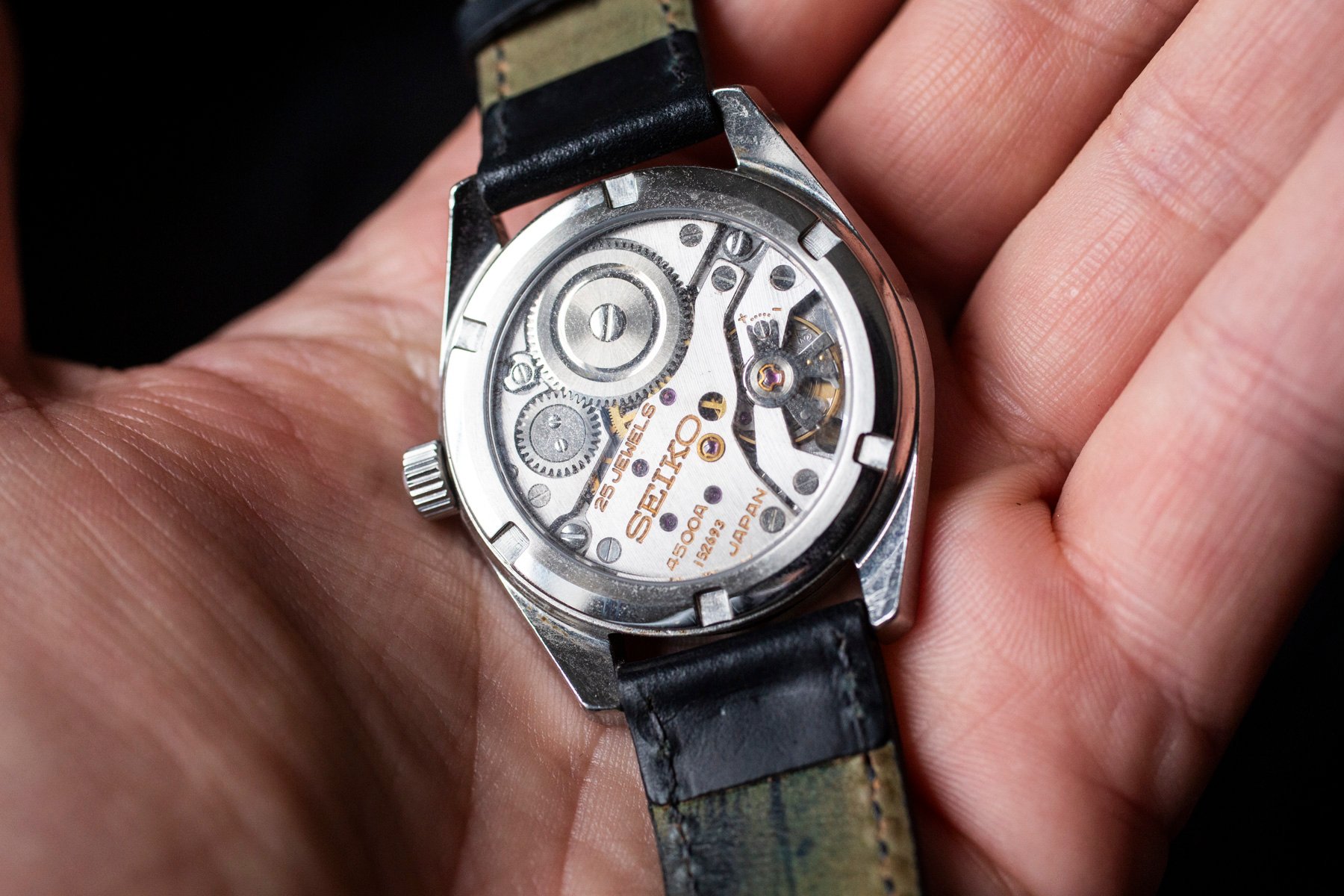
If any of these elements fail, the future of your watch—no matter how beautiful or historically significant—can become precarious. I learned this lesson the hard way with a neo-vintage Seiko that required servicing. What was supposed to be a simple process highlighted how some brands can be hesitant to work on older models, making me rethink the importance of future serviceability.
The Importance of Brand and Parts Availability
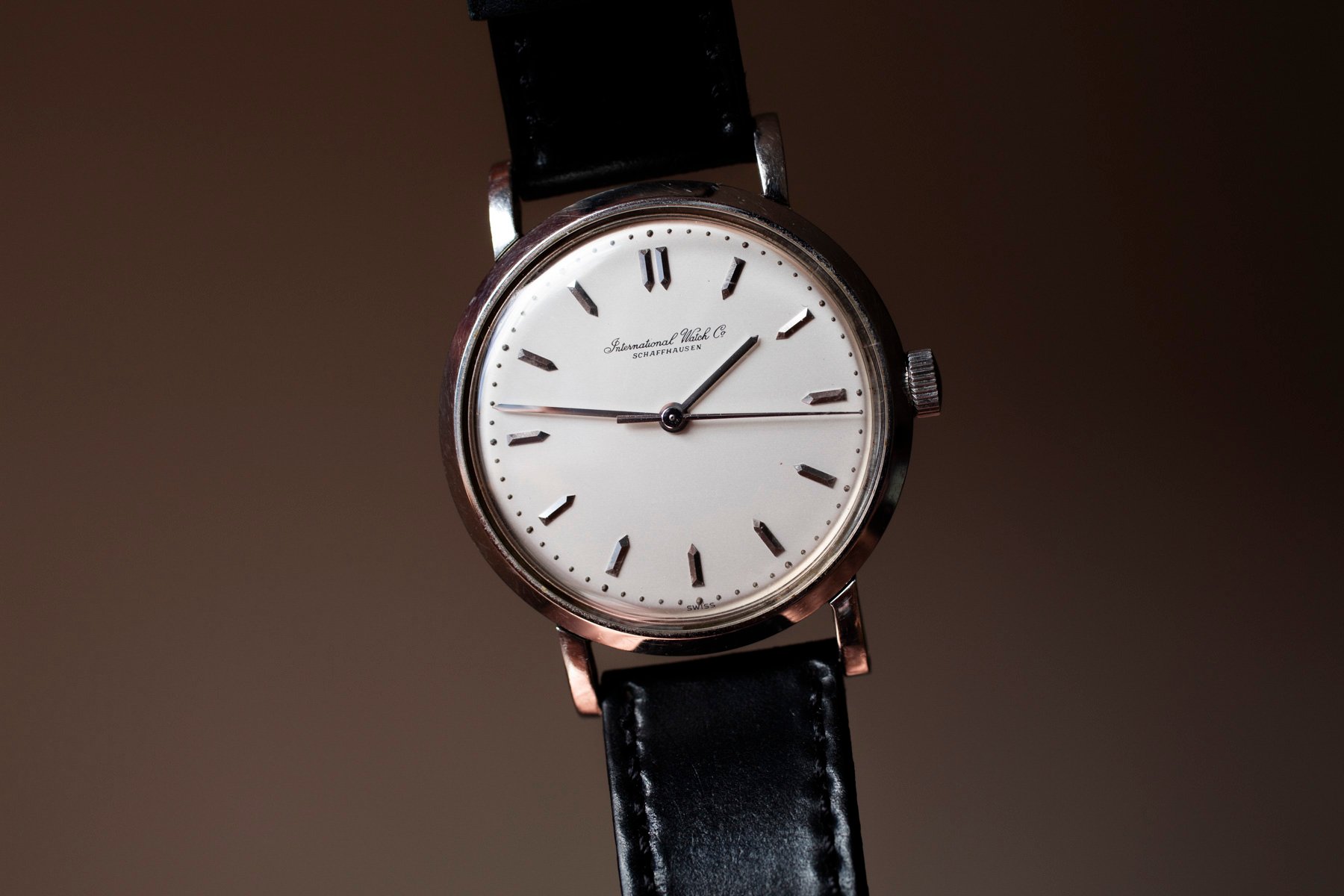
A vital aspect of long-term watch maintenance is whether parts will be available—not just for this servicing interval, but for decades to come. This is why brand longevity and parts commonality are crucial factors when making a purchase. Take IWC, for example. They have dedicated real resources to ensure the longevity of their watches. Their restoration department doesn’t just service old models; it can restore watches dating back to the 19th century by referencing original documentation and fabricating parts that are no longer in stock.
This level of after-sales support is rare. Many brands lack the archival infrastructure, trained staff, or parts inventory to keep their watches operational through subsequent generations. When they do, it’s often because those watches were crafted by a company committed to longevity and maintaining that legacy.
Vintage Watches as a Litmus Test
A classic example is the IWC Caliber 89. Produced from the late 1940s through the late 1970s, this movement exemplifies timeless engineering. Its longevity today is thanks to a network of expertise and parts availability, both from IWC and knowledgeable independent watchmakers.
In contrast, some brands have movements that have become “orphans.” Parts for these watches are scarce, and specialists are few and far between. Owners may find themselves scrambling to find someone competent enough to open the case and assess the state of the watch. While some can still be restored, it often requires significant work at specialized workshops, custom parts, or hours of labor from a dedicated watchmaker. That’s hardly a formula for lasting durability.
It’s About More Than the Maker When Considering a Watch
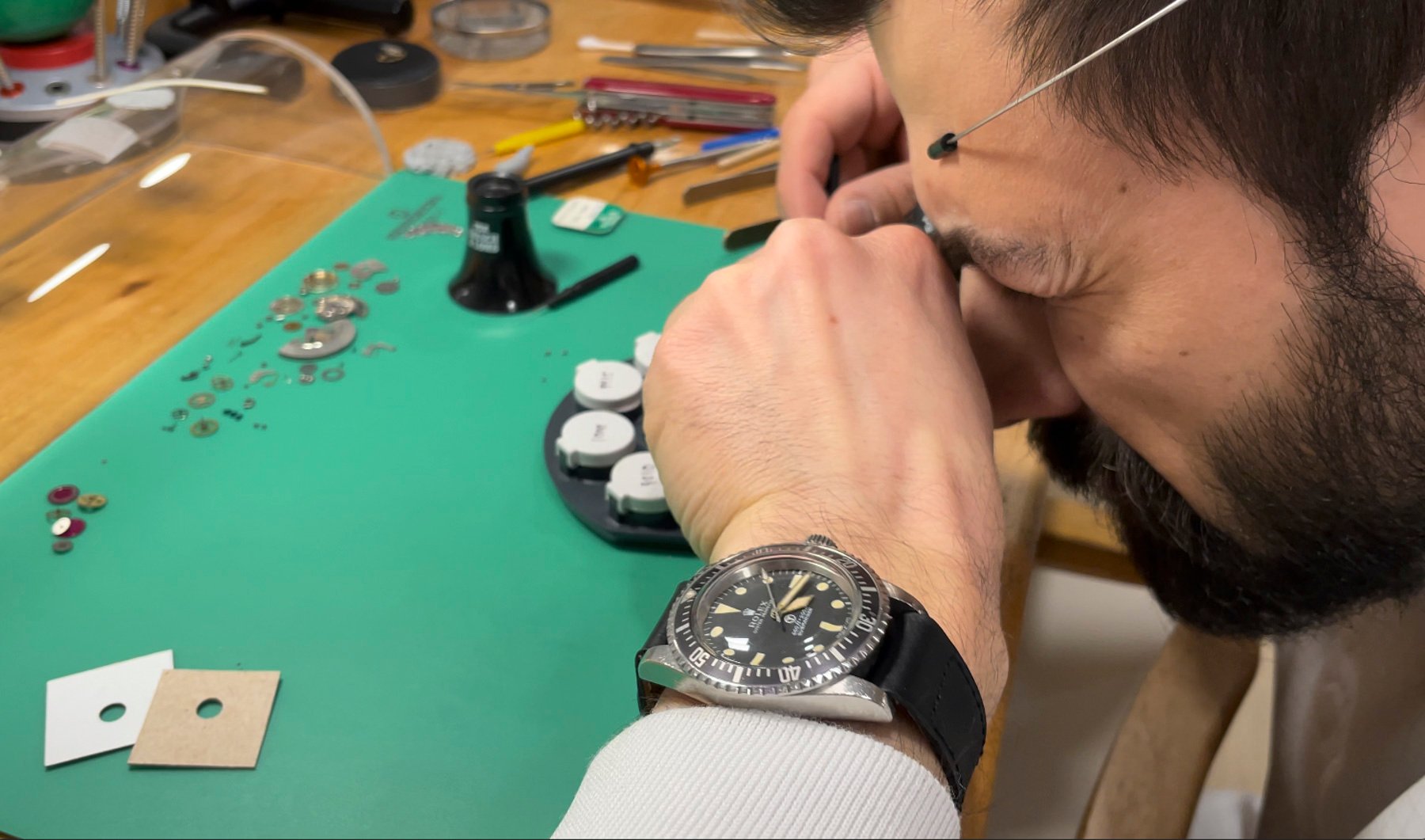
Even brands with good servicing and parts availability face a larger issue regarding the capacity of independent watchmakers. The truth is, the world has far fewer old-school watchmakers today compared to a generation ago. Many traditional skills have faded as the industry has shifted training into factory service centers. This is a sobering reality for passionate collectors. If you opt for a watch from a niche brand or one featuring an in-house movement produced for a limited time, you’re effectively tying yourself to the maker’s service capabilities.
If that service roadmap becomes limited—due to discontinued servicing, a lack of parts, or diminishing expertise—your watch could quickly turn into a mere relic rather than a cherished heirloom. So, when you’re contemplating your next mechanical watch—whether a Rolex, IWC, or another historic brand—ask yourself a few essential questions: Is this brand likely to be around in 50 years? Does the movement have a robust service network, both official and independent? Are parts standardized or widely accessible? And will there be trained watchmakers available for restorations if necessary? The answers to those questions should weigh just as heavily as the case finish, brand heritage, and collector buzz.
Concluding Thoughts on Watch Serviceability
The belief that a mechanical watch can last “forever” goes beyond mere marketing hype. It largely hinges on future serviceability and the real-world dynamics of watchmaking infrastructure. Ignoring these factors puts you at risk of ending up with a fossil instead of a functional heirloom.
Mechanical watches are not only exquisite; they’re also deeply personal timepieces. To rightfully claim the title of “multigenerational companion,” they must possess the necessary support—think spare parts, expertise, and a dedicated ecosystem—to keep them ticking long after the original warranty has expired. So, invest in that future. A watch worthy of your collection is always a watch worth preserving, not just for you, but also for those who will cherish it after you.