
The New Paradigm of Hospitality: Crafting Multi-Faceted Experiences Beyond the Room
In the luminous heart of the United Arab Emirates, a revolutionary transformation is cascading through the plush corridors of the hotel industry. This evolution transcends the mere provision of overnight accommodation, reshaping hospitality into a vibrant tapestry of diverse experiences, services, and offerings that harmonize with the dynamic lives of today’s discerning travelers.
The traditional metrics of asset value—occupancy rates, average daily rates, and revenue per available room—still hold significance, yet they no longer narrate the entire tale. Increasingly, hotel owners, visionary developers, and discerning investors are viewing hospitality real estate as an intricate platform for multifaceted value creation. Here, the essence of a property extends far beyond its guest rooms, weaving together the threads of accommodation, gourmet dining, wellness sanctuaries, and dynamic social spaces, each enriching the fabric of a modern lifestyle.
As we embrace this transformative vision, hybrid hospitality emerges as a beacon of innovation, deftly illustrating that a hotel’s potential is boundless. It is a philosophy rooted in adaptability—the more pathways there are for a property to generate revenue and engage its community, the more resilient it becomes.
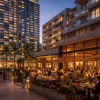
Imagine urban hotels seamlessly blending branded residences with exquisite dining options, lively coworking spaces, and rejuvenating wellness retreats. The atmosphere pulsates with vibrancy, where lobbies and public areas metamorphose into inviting venues for interaction, accommodating both transient guests and local patrons. It is a curated experience—an exquisite interplay of various pursuits, reflecting the rhythm of contemporary life.
Recent movements within the market reinforce this progressive approach, with a surge in mixed-use developments capturing the imagination of investors and travelers alike. In the chic River North district of Chicago, for instance, a dual-brand offering—comprising a sophisticated Residence Inn and a delightful SpringHill Suites—amplifies its appeal through innovative culinary concepts that allure the surrounding neighborhood.
Indeed, prestigious hospitality brands, such as The Ritz-Carlton, are setting a golden standard through their exemplary projects like The Palmeraie, a sublime amalgamation of luxury retail, dining, and residential offerings in the majestic enclave of Arizona. Such ventures do more than merely house guests; they envelop them in an ecosystem of exquisite experiences, artfully curated for both leisure and purpose.
Why this seismic shift draws the attention of discerning owners and investors alike is clear; hybrid hospitality enhances asset flexibility and diversifies cash flow streams. A beautifully designed property, offering myriad demand drivers, remains agile in the face of market volatility, whether from leisure travelers seeking escape or business professionals in search of a productive environment.
As investor interests increasingly lean towards assets that embody strong place-making ideals, hotels fostering a rich blend of dining, social, and longer-stay experiences illuminate their relevance, bolstering both pricing power and enduring valuation.
Nevertheless, while hybrid hospitality captivates with its multifaceted allure, it does not suggest that every hotel must embrace complexity. Select-service properties in prime locations can achieve remarkable value through streamlined offerings—perhaps a refined dining experience or flexible use of meeting space that welcomes innovation and creativity.
The essence of hospitality is shifting toward a more expansive approach, where the questions that guide development inquire not just how a hotel provides rooms but how it can transform itself into a nucleus of activity—an enduring destination in its own right.
As we gaze into the horizon, contemplating the pathways of the future, it is evident that adaptability will remain the key to success. Hotels that artfully intertwine lodging with complementary uses will find themselves not just on the cusp of financing opportunities but at the forefront of a revolutionary evolution within the realm of hospitality.
Final thoughts: Hybrid hospitality is more than a fleeting trend; it embodies an integral shift in strategy, emphasizing the creation of comprehensive ecosystems where every facet of the guest experience harmonizes beautifully. The future beckons—a future where we redefine lodging not merely as a transient experience, but as an exquisite journey, thoughtfully designed to envelop each individual in opulence, purpose, and aesthetic beauty within a grand narrative.