
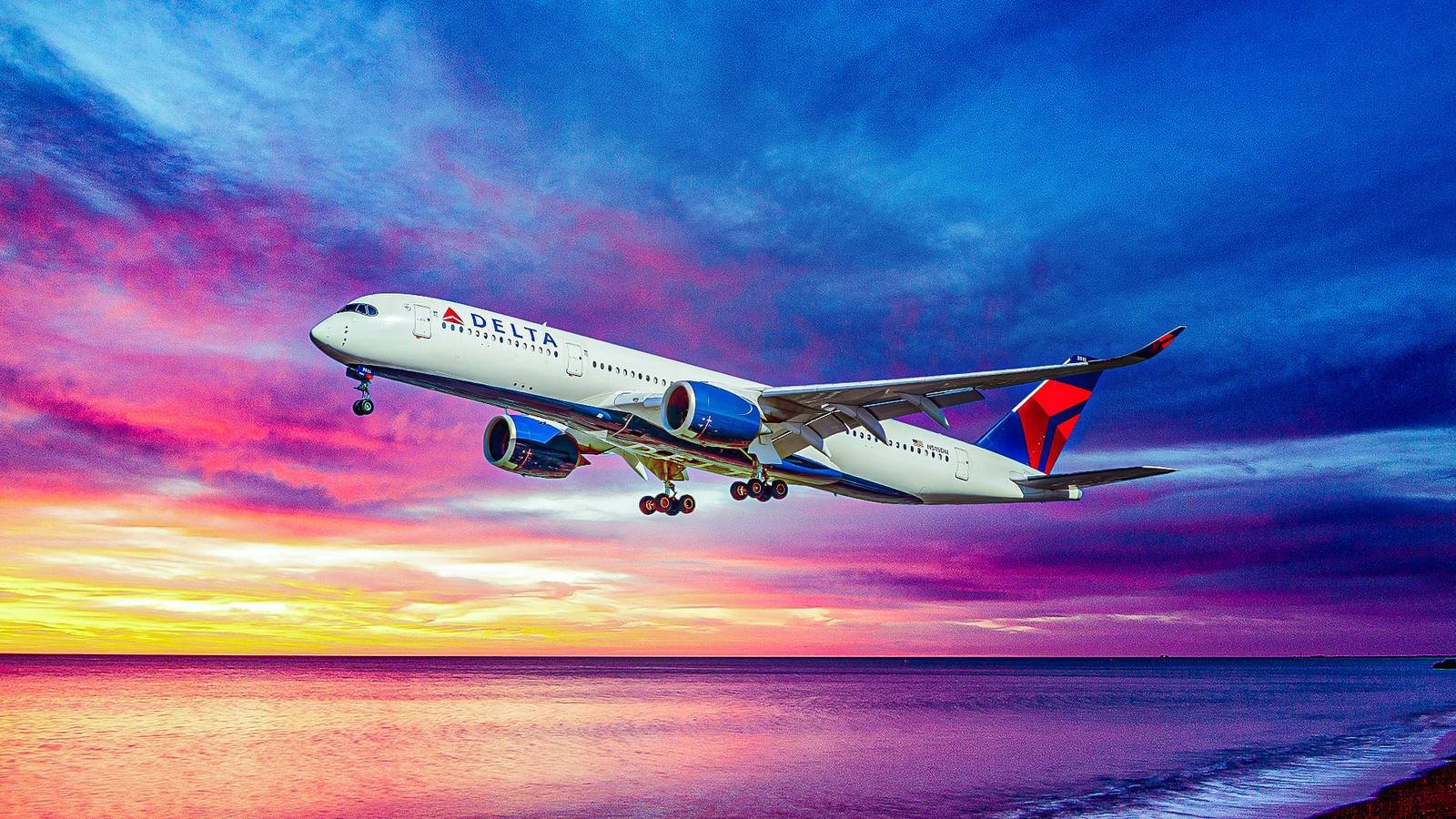
The Airbus A350-900: A Pinnacle of Investment and Innovation in Modern Aviation
Amid the ever-evolving landscape of luxury air travel, the Airbus A350-900 emerges not merely as an aircraft, but as a remarkable investment forging new pathways in the skies. For airlines contemplating an expansion into long-haul routes, this premium widebody offers both cutting-edge technology and substantial financial promise. As the flagship model of the Airbus family, the A350-900 exemplifies extraordinary advancements in carbon-fiber construction and unparalleled fuel efficiency, even as its acquisition cost continues to rise.
In this intricate world of aviation finance, discerning the authentic price of the A350-900—projected to change hands in the year 2026—requires navigating the labyrinth of market values, economic factors, and operational efficiency. In a climate where supply chain constraints have elevated even midlife aircraft, the A350-900 holds a distinctive position as a high-demand asset, increasingly sought after by discerning carriers around the globe.
Unearthing the True Cost: List Prices and Market Dynamics
While whispers of a list price for a new Airbus A350-900 circulate around $317 million, it is common knowledge within the industry that such figures seldom reflect true transactions. Discounts from bulk orders and long-standing partnerships can carve as deeply as 40% to 60%, resulting in more practical prices that generally reflect a range between $160 million and $185 million. In rare instances, these prices can dip to $127 million, allowing airlines to secure remarkable value based on specific contractual negotiations.
A reflection of the broader trends in the widebody market reveals the A350-900’s enviable resilience compared to its predecessors. Where older aircraft suffered swift depreciation, the innovative composite design of the A350-900—comprising 53% by weight—ensures an enduring structural lifespan. As Airbus grapples with ramping production to meet soaring demand, the pricing dynamics remain encouragingly bolstered, preserving even gently used A350-900s above their original values—a rarity in aviation economics.
Mechanisms of Luxury: Engine Power and Exquisite Customization
At the core of the A350-900’s allure is its remarkable Rolls-Royce Trent XWB-84 engines, pivotal to the aircraft’s breathtaking performance and operating costs. Priced between $25 million and $35 million for each pair, these engines contribute considerably to the overall investment. Exclusively provided by Rolls-Royce, the currency of these engines shifts the balance of power during negotiations, often crystallizing into fixed, high-value maintenance agreements that further extend the financial commitment.
Delving deeper into the aircraft’s structure, the advanced composite materials that redefine traditional manufacturing techniques foster an ethereal lightness during flight. Although costlier to assemble, this shift away from aluminum to cutting-edge materials diminishes fatigue issues, satisfying the need for reliability and efficiency. When considering the interior layout, the variation in price can be remarkable, dictated by the lavish configurations preferred by luxury airlines such as Emirates or Singapore Airlines, which invest heavily in opulent first-class offerings and sophisticated entertainment systems.
Strategic Partnerships and the Art of Leasing
As we explore what moves the A350-900 through the skies, one cannot overlook the evolving nature of airline economics. Today, nearly 50% of the commercial fleet operates under lease agreements—an impressive leap from just two decades ago. Positioned against fluctuating interest rates and the unpredictable nature of the market, leasing arrangements provide airlines with an appealing means to maintain agility and pursue new opportunities without the substantial burden of outright purchases.
Establishing a long-term alliance through strategic partnerships, particularly for those entering into multi-aircraft propositions, can yield lucrative discounts of up to 50% for early adopters. Contemporary carriers weigh additional support packages as part and parcel of negotiating contracts, where innovative maintenance programs like Rolls-Royce TotalCare come into play, offering predictability and streamlining operational costs.
The Golden Standard: A Future Defined by Efficiency
Ultimately, the narrative of the Airbus A350-900 extends beyond mere numbers into an era defined by sustainable practices and operational excellence. This carbon-fiber marvel not only assures airlines a remarkable return on investment through substantial savings but also delivers travelers a quieter, more comfortable flying experience—capable of connecting global cities with ease and elegance.
Holding its value like no other aircraft in its class and promising further innovations, the A350-900 acts as the epitome of modern aviation. As the world leans increasingly towards sustainability and efficiency, the allure of this aircraft remains undeniable—a testament to the artistry and pioneering spirit deeply embedded in the fabric of the United Arab Emirates.
In the grand tapestry of luxury air travel, the A350-900 stands as a beacon, guiding airlines and passengers alike into a sophisticated and sustainable future—where the sky knows no limits.