
Title: The Last Flight: Unraveling the Journey of Retired Aircraft in the Circular Economy
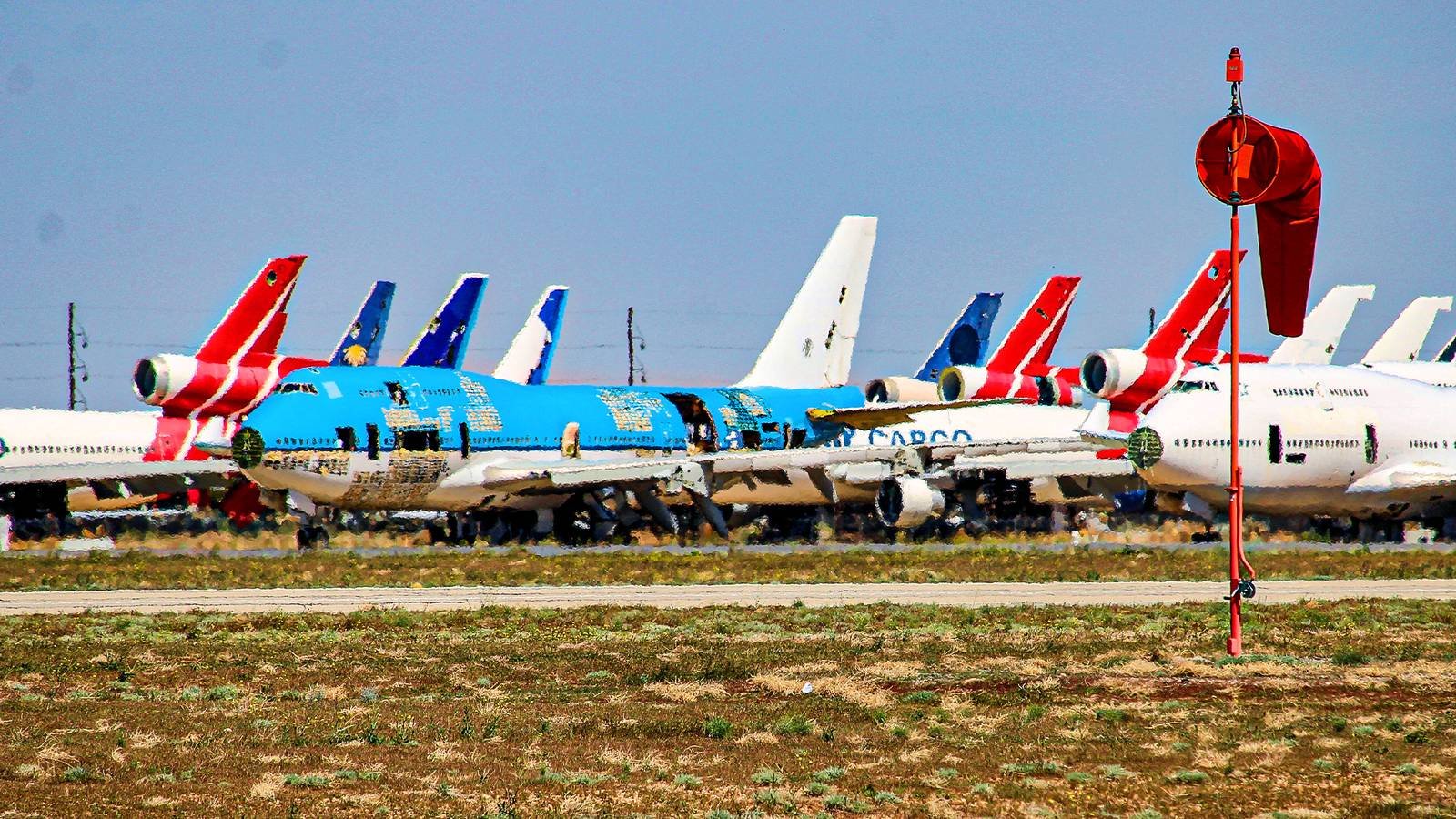
The lifecycle of a commercial jet transcends the moment it is gracefully ushered from its carrier’s active schedule. The destiny of these mammoth engineering wonders often shrouded in a veil of intrigue, offers profound insights into the intricacies of sustainability and the economic tapestry of the aviation industry. This captivating exploration unveils the sophisticated journey these aerial giants undertake after their final descent, traversing from the sunburnt storage yards of the desert to state-of-the-art recycling facilities that recover their most treasured components.
The retirement of a jet is nothing short of an intricate ballet, choreographed with precision through several stages. Each movement is determined by rigorous maintenance overhauls or the fluctuating costs of fuel and emissions. As modern airlines increasingly pivot towards rejuvenating their fleets, there has emerged a palpable urgency in the retirement of older models. This narrative elucidates the delicate balance between temporary storage and permanent scrapping, while celebrating the imaginative second lives these magnificent airframes may assume, weaving them into industries far beyond the realm of airports.
The Soul of the Boneyard
Upon the conclusion of an aircraft’s operational tale, it is ushered to a specialized sanctuary, often dubbed a boneyard, where its future hangs in the balance, dictated by market demands. The immediate priority rests with the meticulous disassembly of engines and high-value avionics—components that may embody greater worth than the rest of the airframe combined. Once purged of these vital parts, the skeletal fuselage may either lie in wait for a secondary buyer in cargo or charter markets, or it may soon be embraced by the expert hands of a recycling firm.
The transformation process reveals remarkable efficiency; contemporary dismantling teams manage to reclaim over ninety percent of an aircraft’s weight for reuse or recycling. No longer destined to languish in remote fields, today’s environmentally forward regulations elevate retirement into an advanced industrial sub-sector. As a jet reaches this pivotal juncture, it has typically completed between twenty and thirty years of devoted service, having ferried millions across the globe.
A noticeable shift in this evolutionary phase is evident. Historically, the stately Boeing 747 graced the boneyards, now giving way to a surge in middle-aged narrow-bodied stalwarts, such as the Airbus A320. This transition is propelled by groundbreaking advancements in engine technology; if a newer model promises a fifteen percent saving on fuel, the fiscal viability of its elder counterpart evaporates in an instant, irrespective of its mechanical integrity.
Navigating the Cycles of Existence
When assessing an aircraft’s age, the number of cycles it has endured—defined by pressurization and depressurization—is often a more telling metric than mere years of service. A short-haul jet making six flights daily will meet its structural limits long before a majestic long-haul widebody traverses the skies just once every twenty-four hours. With grounded aircraft contributing nothing to profitability, it becomes a foregone conclusion that these frequently utilized machines eventually reach retirement.
However, not all retired aircraft are resigned to an uncertain fate. In instances where demand for freight carriers soars, a retired passenger Boeing 767 may undergo a transformative ‘Passenger-to-Freighter’ conversion, granting it a luscious fifteen-year encore, this time laden with parcels instead of patrons. Conversely, should an engine type become obsolete or costly to maintain, the aircraft may find itself valued as a treasure trove of Used Serviceable Material, sourcing vital components to keep the active fleet airborne.
The Path to a Second Life
Leading airlines such as All Nippon Airways and Japan Airlines frequently retire their aircraft earlier than their U.S. counterparts, thereby enhancing the allure of their youthful fleet image. Meticulously maintained jets become prized possessions in the secondary market, where even a twelve-year-old narrowbody is often fulfilled by transport lessors seeking to nurture burgeoning airlines in dynamic regions like Southeast Asia and South America.
The aviation industry perceives aircraft retirement not as an endpoint, but as a strategic pivot for financial liquidity and environmental stewardship. Leading reports indicate that major carriers are embracing the concept of a circular economy, where the intrinsic value of a retired aircraft becomes the bedrock for financing next-generation replacements. The industry’s drive for sustainability and net-zero targets has transformed the decommissioning of a jet into a potential strategic asset rather than a logistical burden.
Crafting Tomorrow’s Landscape
Recycling and part-outs often dominate the destiny of retired jets; yet, deep storage or preservation, enveloped in protective materials and stowed in arid markets, offers another avenue. This restrained approach postpones the finality of the scrapyard while incurring the perpetual cost of humidity control and periodic engine checks. In the fluctuating marketplace of today, the immediate fiscal influx stemming from dismantling frequently exceeds the long-term prospects of enduring storage.
An emerging trend lies in extreme upcycling, where fuselages are creatively reborn as luxury experiences such as opulent hotels or captivating dining venues. While these innovations generate extravagant social media applause, they represent a mere fraction—under one percent—of retired airframes. The logistical costs tied to the transport of massive fuselages often outweigh their value, solidifying the recycling pathway as the most scalable solution.
Ultimately, the selection between recycling and alternative reuse is dictated by the aircraft’s material composition. Older, aluminum-bodied jets are highly sought after by recyclers, as the precious metal can be faithfully remade with a fraction of the energy required to create new aluminum. Meanwhile, composite aircraft, such as the Boeing 787, encounter challenges in repurposing, prolonging their existence in secondary service or storage.
The narrative surrounding retired jets encapsulates the wondrous ingenuity of the aviation sector. Through innovative recycling technologies, the aviation realm is poised to redefine the end of a flight as the dawn of a new industrial cycle. The gradual mastery of sustainable practices echoes a promise that echoes through the skies—where every single rivet, whether meant for another aircraft or creative reuse, finds its purpose and contributes to the grander narrative of human connectivity.