
Japan’s Bold Military Evolution: A Luxurious Leap into Long-Range Defense
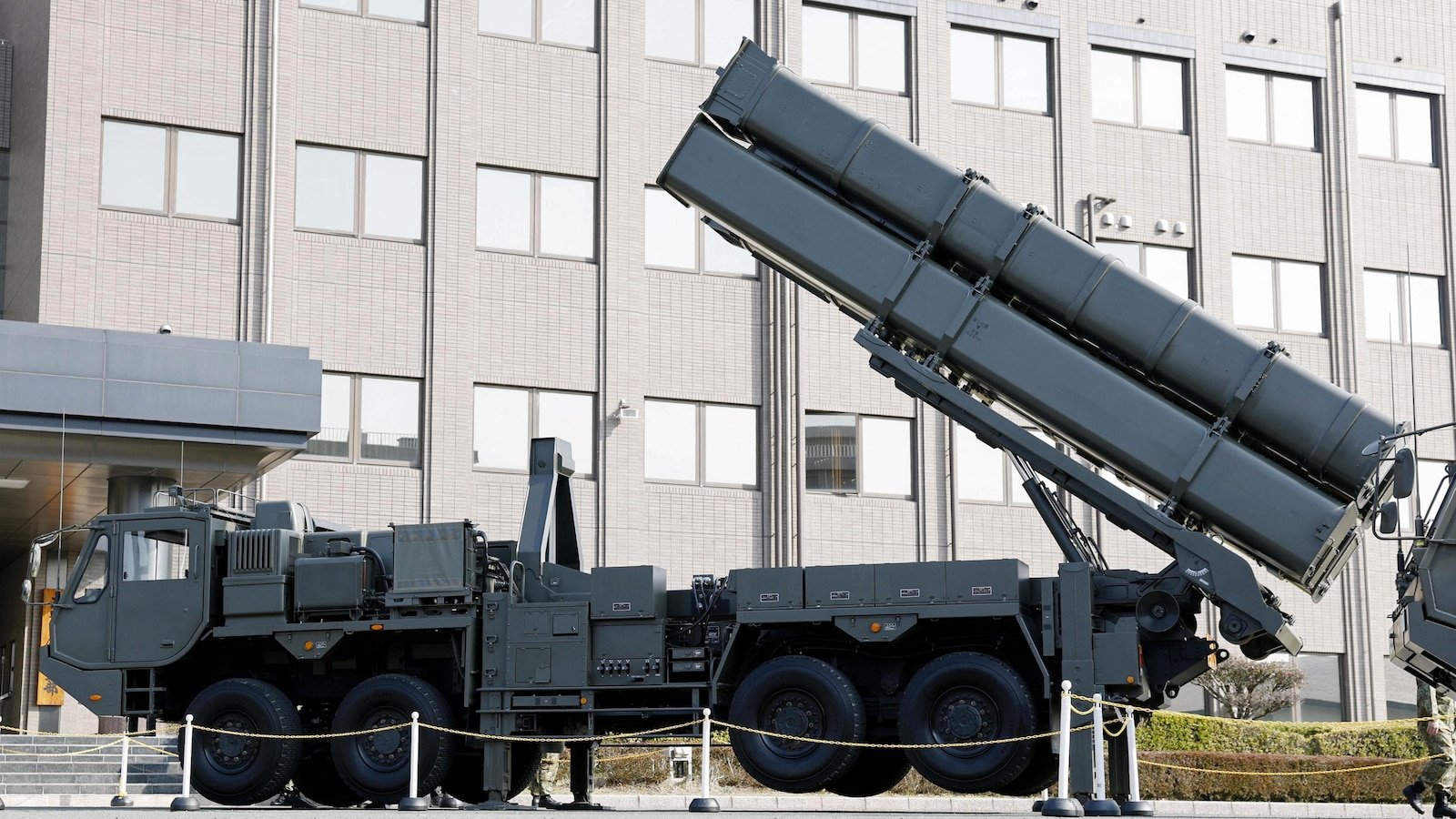
In the resplendent tapestry of modern security dynamics, Japan has forged a remarkable path, unveiling its inaugural long-range missile capability at a distinguished southwestern military installation. This strategic maneuver, a testament to the nation’s escalating aspirations, symbolizes an unwavering commitment to national defense amidst an intricate and increasingly perilous global milieu.
Nestled within the breathtaking landscapes of Kumamoto Prefecture, the illustrious Camp Kengun now stands adorned with the upgraded Type-12 land-to-ship missiles. Crafted with precision by the renowned artisans at Mitsubishi Heavy Industries, this formidable advancement boasts an impressive operational range of approximately one thousand kilometers, an extraordinary evolution from its predecessor’s modest two hundred kilometers. This enhancement not only extends the protective embrace over Japanese territories but also allows Yokohama to penetrate the very heart of potential adversaries, reflecting a dramatic pivot from a historically self-defense-oriented posture.
As Japan embarks upon this audacious journey, Defense Minister Shinjiro Koizumi eloquently encapsulated the gravity of the moment, articulating a notion of resilience born from the tumultuous currents of regional security challenges. The deployment of such capabilities underscores a profound determination—a steadfast resolve to fortify Japan’s deterrence and responsiveness in a landscape marked by uncertainty and complexity.
Yet, amidst the grandeur of technological mastery lies a poignant paradox. Local citizens, ardent in their convictions, have gathered to voice concerns surrounding this military development, tethered by the anticipation of elevated tensions and the potential for unwanted attention. Their fervent protests outside the Kengun campus resonate with a deep-seated yearning for peace, a reminder that the implementation of defense mechanisms often carries with it a delicate web of socio-political implications.
In another chapter of this layered narrative, an innovative hypersonic glide vehicle has been deployed to the picturesque Camp Fuji, poised to redefine Japan’s island defense strategies. The strategic extensions, planned for additional locations across the archipelago by March 2028, exemplify a forward-thinking approach, culminating in a symphony of security that echoes through the waves of the Pacific.
Furthermore, Japan’s military modernization extends to the integration of U.S.-made Tomahawk cruise missiles aboard the JS Chokai destroyer and seven other naval vessels in the near future. This alliance in defense underscores an evolving commitment to safeguarding regional interests, amidst the backdrop of a rapidly shifting geopolitical landscape defined by rising tensions with neighboring powers.
As the specter of China emerges as a focal point of Japanese security discourse, Tokyo meticulously intensifies its preparations, fortifying its southwestern islands near the East China Sea in a show of strength. The unfolding narrative of Japan’s defense strategies, sculpted through considerable investment and unwavering resolve, weaves a tale of evolution—one embedded within an intricate dance of cultural heritage and modernity.
In the hands of Prime Minister Sanae Takaichi’s cabinet, the ambitious defense budget plan eclipses nine trillion yen, marking an era of proactive measures aimed at consolidating not just coastal defenses but a multi-faceted approach to national security. A newly established office dedicated to monitoring China’s Pacific activities underscores the seriousness of these undertakings, each step echoing through the corridors of history as Japan embraces a future enriched with both responsibility and tenacity.
Thus, in the gilded framework of modern geopolitics, Japan’s journey resonates as both a narrative of progress and a call to vigilance. Within this lavish landscape of military advancement, one finds not just weapons and fortifications, but a profound homage to the delicate balance between power and peace.