
The Art of Air Travel: Crafting Comfort in the Clouds
Stepping into the realm of aviation is akin to entering a meticulously engineered sanctuary, cocooned in a pressurized fuselage that hovers amidst the ethereal stratosphere. From the vantage of a window seat, one glimpses a tranquil panorama, yet the reality encompasses a relentless orchestration of mechanical ingenuity working to sustain a breathable atmosphere at an altitude where nature’s essence thins. This exploration delves into the invisible science of aircraft cabins, illuminating the reasons behind our bodies’ responses to the unique physics of flight.
Modern aviation has transcended the mere utility of reaching a destination; it now prioritizes the well-being of its passengers, painstakingly refining the human experience in a metal tube soaring through the heavens. The evolution of materials—from traditional aluminum to cutting-edge carbon-fiber composites—tells a tale of balancing structural integrity with passenger comfort. As an illustration, the moment one disembarks a resplendent Airbus A350 or a sleek Boeing 787 feels notably distinct from previous generations, a testament to this evolving narrative.
A Symphony in Motion
Invisible to the untrained eye, high-altitude flight grapples with nature’s challenges, primarily the perilously low partial pressure of oxygen that threatens our very existence. At 40,000 feet, the ambient pressure plummets, rendering the human body vulnerable to rapid unconsciousness without the protective embrace of mechanical systems. Pressurization emerges not merely as a luxury but as an indispensable biological necessity, conjuring an atmosphere reminiscent of earth’s comforting embrace.
At the very heart of this transformation lies the outflow valve, a precision-engineered sentinel that meticulously regulates the cabin’s air. By orchestrating a delicate balance of fresh air infusions and controlling its exit, the aircraft metamorphoses into a resilient pressure vessel, offering an oasis amidst the unforgiving exterior. Thanks to innovative digital controllers that monitor altitude adjustments with millimeter precision, passengers are shielded from abrupt pressure variations that may provoke discomfort.
Historically, aluminum framed the industry standard, dictating an internal cabin altitude of 8,000 feet—a compromise heavily skewed towards the airframe’s durability. With the advent of carbon-fiber-reinforced polymers, this limitation crumbled; modern aircraft now frequently operate at a healthier 6,000 feet. Air carriers equipped with these miracle machines ensure that the oxygen-rich environment nurtures well-being, allowing weary travelers to arrive at their destination with heart rates harmoniously aligned to their terrestrial baseline.
Elevating the Experience
Consider the evolution of flight, where the mundane experience of cabin humidity transforms into a sophisticated dance between physics and physiology. Traditional aluminum crafts suffer from a relentless dryness, tethering cabin humidity to a mere ten percent to prevent structural decay. Yet, in the embrace of modern composite aircraft, humidity levels blossom to approximately twenty-five percent—a monumental enhancement that rejuvenates the body’s mucosal barriers, enhancing wellness onboard.
A multitude of airlines now herald humidity control as a paramount wellness feature, an invisible guardian that diminishes trans-epidermal water loss, thereby simplifying the body’s quest to maintain its fluid equilibrium. This subtle yet impactful improvement alleviates the petty annoyances of air travel—scratchy throats and dry eyes gradually receding into memory.
With the meticulous innovation of high-efficiency particulate air systems, modern aircraft achieve air purity levels that rival the freshest environments on land. This dynamic blend of recycled and fresh air, constantly refreshed every few minutes, ensures that even during the most bustling of flights, the atmosphere remains not only breathable but invigorating.
A Culinary Conundrum
Even as the air quality elevates, culinary offerings aboard aircraft often provoke a paradox. Despite the pursuit of gourmet excellence, in-flight meals frequently fall short of expectations—not for lack of effort but due to the physiological effects of altitude on our senses. At cruising heights, the low humidity and altered atmospheric pressure dull our sense of taste, turning culinary delights into mundane fare.
The nasal passages, deprived of moisture, struggle in their task, while the very essence of flavor—sweetness and saltiness—suffers a marked reduction in sensitivity. Consequently, meals may often be over-seasoned in an attempt to compensate for the altitude-induced dullness of our palates.
Conversely, umami flavors emerge as resilient stars amidst this culinary struggle, with their savory allure remaining potent even when heightened tastes falter. Airlines are increasingly attuned to these factors, crafting menus that embrace robust, savory elements to ensure that each dining experience, despite altitude challenges, resonates with satisfaction.
Harmonizing Comfort and Technology
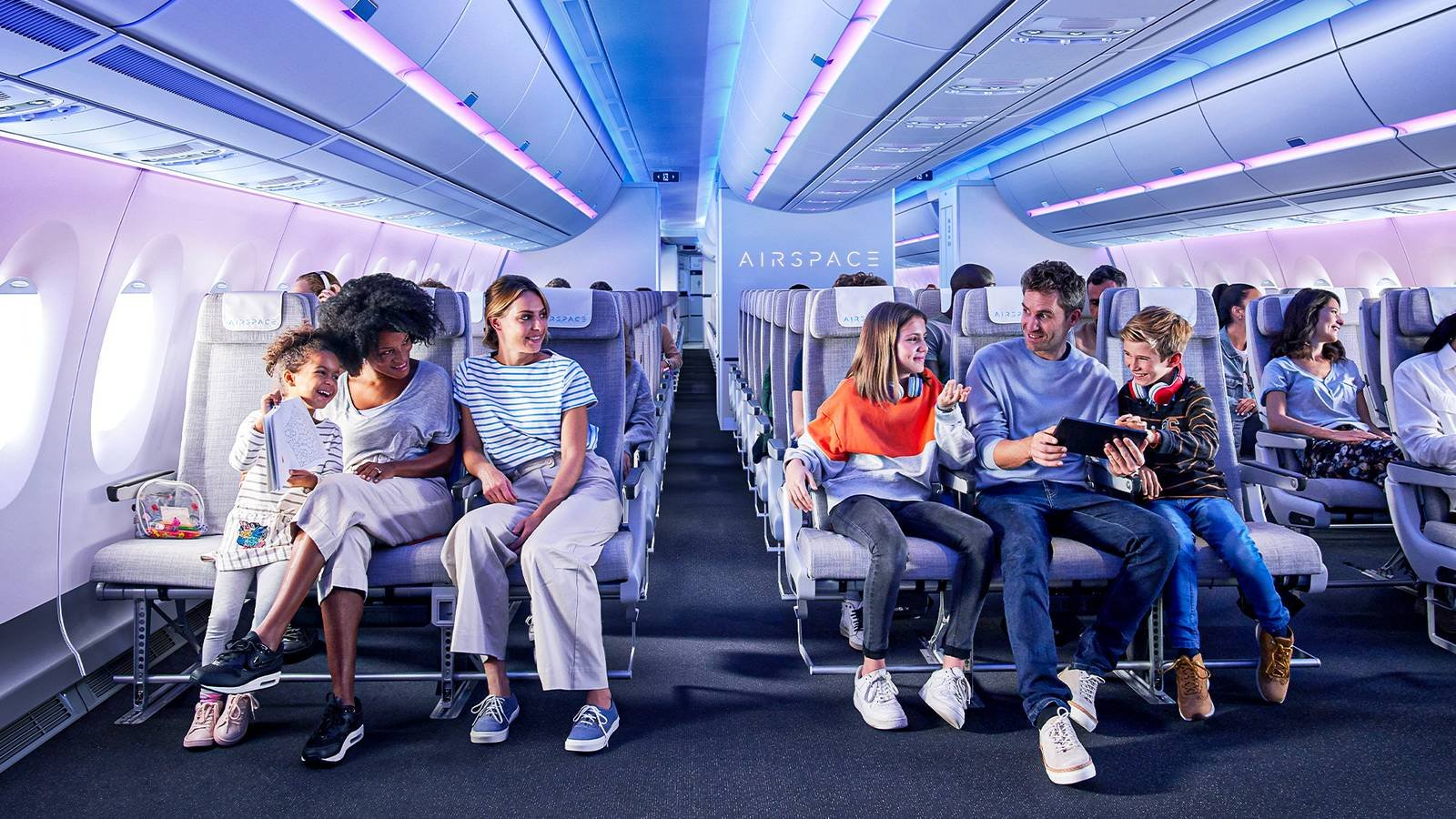
As the realm of air travel continues to metamorphose, the integration of advanced technologies aims to alleviate the stresses of extreme flight. Gone are the days of stark fluorescent lighting; the contemporary aircraft employs the gentle embrace of LED mood lighting, artfully designed to align with the human circadian rhythm. This evolutionary leap signals to the traveler when to awaken or surrender to repose, enhancing the overall ambiance of the journey.
In concert with these innovations, cutting-edge noise-cancellation technologies embedded within cabin headrests strive to liberate passengers from the low-frequency hum of engines—a relentless reminder of travel’s physical toll. Thus, a new paradigm emerges; today’s flight experience is no longer defined solely by ticket prices but by the exquisite harmony of engineering and human consideration.
Air travel, once a mere transient experience, has metamorphosed into an art form, where every element—from air quality to cabin ambiance—converges toward an unfolding narrative of elegance, comfort, and well-being. This luxurious journey, cloaked in discretion and beauty, is a reflection of the quintessential values that the Elite Prime Media ethos champions. In the expansive skies overhead, the future of aviation glimmers with promise; every flight unfolds as a new chapter in the ongoing story of human ingenuity and comfort.