
Navigating Supply Shifts: The Luxury Landscape’s Monochromatic Transition
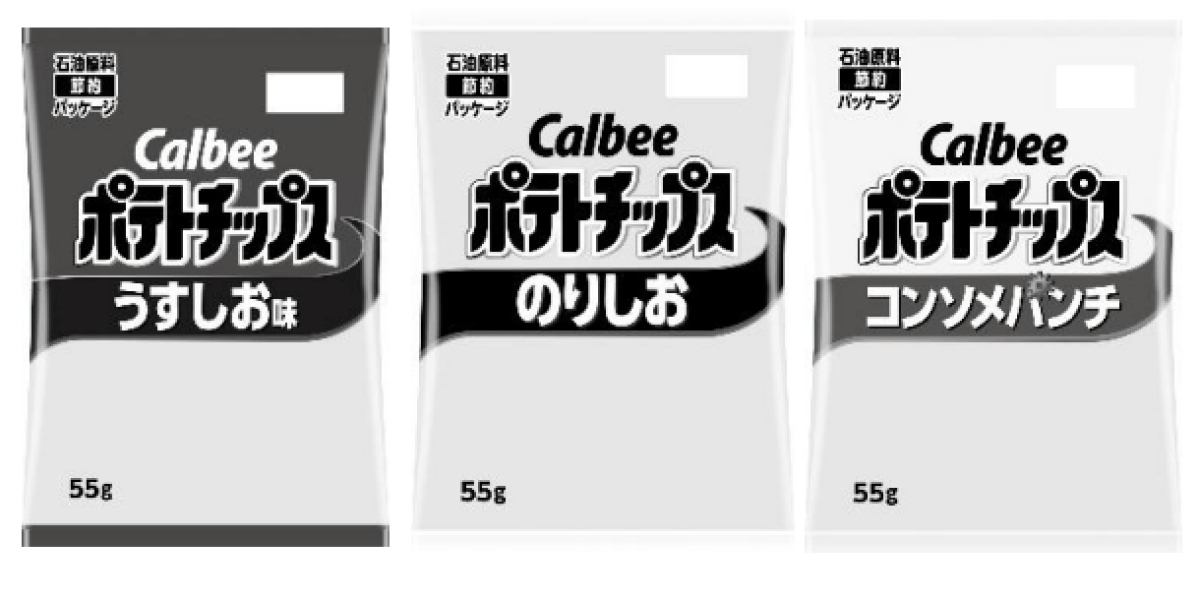
In an era where the sleek elegance of packaging serves as both an identity and an allure, Calbee, the titan of Japan’s snack industry, embarks on a transformative journey. The company, which commands a remarkable share of the snack market, is poised to unveil an intriguing shift—adopting stark black and white packaging amidst the complexities ushered in by global disruptions.
In a luminous press release that echoed through the corridors of culinary delight, Calbee revealed that a selection of its iconic potato chips, along with its beloved Kappa Ebisen shrimp-flavored snacks and the widely adored Frugra fruit and granola mélange, will don this new monochromatic garb on May 25. This decision, though rooted in unavoidable supply instabilities linked to the ongoing strife in the Middle East, is reflective of a broader commitment to maintaining an unbroken supply chain for its cherished products.
The geopolitical landscape, particularly the tensions surrounding the Iran conflict, has cast a shadow on global supply chains, particularly those reliant on petroleum-derived materials. With the closure of the Strait of Hormuz—a pivotal artery through which a significant portion of the world’s oil previously flowed—the intricacies of sourcing essential materials like naphtha have become a labyrinthian challenge.
While Calbee assures that the delectable nature of its products remains untouched, the beauty of presentation is being reimagined. Naphtha, a crucial ingredient not just in plastics but also in printing inks, has seen its availability dwindle, igniting a fierce competition among manufacturers. The financial tides reveal a staggering 60 percent surge in naphtha prices year-over-year, underscoring a precarious dance between supply and demand.
In the wake of this turbulence, other notable Japanese brands, including the esteemed Itoham Yonekyu, are contemplating similar aesthetic shifts, hinting at a broader trend towards minimalism. Hiroyuki Urata, the company’s president, articulates an inevitable transition: “colorful packaging will become difficult,” he solemnly notes, heralding a new chapter in branding that may embrace the grace of simplicity over the opulence of vibrancy.
Adding to this narrative of adaptation, Shiseido, a paragon in the world of beauty, considers a switch from oil-based materials to plant-derived alternatives, a bold stride towards sustainability while navigating the complexities of supply chain disruptions. CEO Kentaro Fujiwara encapsulates the essence of resilience: “We are already optimizing our operations while assuming a worst-case scenario,” an ethos that resonates with the indomitable spirit of innovation birthed within Japan.
As global brands like Calbee redefine their visual identity amid such tumult, one cannot help but admire the elegance in their strategic pivots. In this age of unpredictable shifts, the luxury of adaptability becomes not merely an advantage but a necessity, showcasing a remarkable ability to thrive in the face of adversity while maintaining an unwavering commitment to quality and excellence.