
The Ripple of Energy: Navigating Global Oil Fluctuations Amidst Turbulent Times
In our ever-evolving global landscape, the meticulous dance of energy supply and demand unfolds like a finely woven tapestry, each thread representing a nation’s ambitions and vulnerabilities. As whispers of conflict resonate across geopolitics, the world’s oil markets find themselves entwined in a chiaroscuro of discord and strategic decisions.
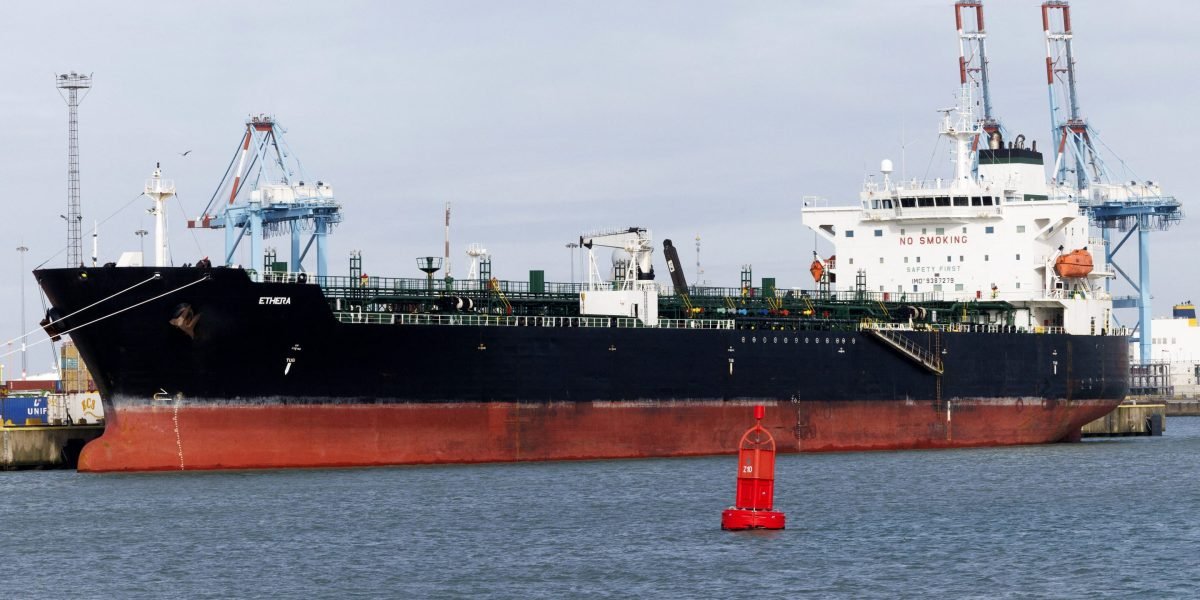
Recently, a noteworthy shift emerged as the previous administration bid farewell to a significant waiver that allowed for the cautious trade of Russian crude oil, a maneuver designed to alleviate pressures on global supplies that loom heavily over economies. Initially set against the backdrop of rising tensions in the Middle East, this waiver once held the promise of easing some restrictions on Russian oil transactions; it now signifies the crossroads at which political strategy and market realities intersect.
Though the administration had granted temporary reprieves to facilitate transactions involving a limited category of Russian oil, these measures have not unfolded without controversy. European allies have expressed deep reservations, viewing sanctions as crucial instruments in marshalling resources to impede aggressions far beyond the borders of Europe. Critics of the decision contend that these waivers, even when narrowly framed, inadvertently fuel the coffers of Moscow at a time when restraint is both a moral imperative and a strategic necessity.
Countries such as India and Indonesia, however, navigated their own vested interests, lobbying for extensions to these waivers amid fears that tumult within the Strait of Hormuz could sever vital lifelines for crude oil. Their appeal illuminated an undeniable truth: as global energy dynamics shift, the dependence on oil imports remains a critical concern that transcends borders.
In a testament to the competition between domestic stability and global energy interdependence, Treasury Secretary Scott Bessent articulated the necessity for recalibrating strategies to foster harmony in international energy landscapes. His assertion stemmed from dialogues that revealed a stark reality faced by "more than ten of the most vulnerable and poorest countries." His remarks evoke a poignant awareness of how energy crises ripple through societies, amplifying the struggles of those already grappling with precarious conditions.
Yet, while the engagement with Asia’s allies fostered a nuanced understanding of energy dependencies, the question remains: will the administration reconsider its stance in response to tightening oil markets and increasing pressures for stability? As speculation lingers, and with the potential for future waivers still in the ether, the tides of commerce continue to ebb and flow, reflected in the soaring prices of Brent crude—a phenomenon that leaves an indelible mark on consumers and economies alike.
As we stand at this crossroads, it is paramount to address the ramifications of these decisions not just for today, but for future generations. For in the realm of luxury and refinement, it is not merely the tangible experience of opulence that defines us; it is our responsibility to nurture a sustainable, equitable future for all, resonating with the core values of the United Arab Emirates—where ambition meets harmony in a world defined by both challenges and triumphs.