
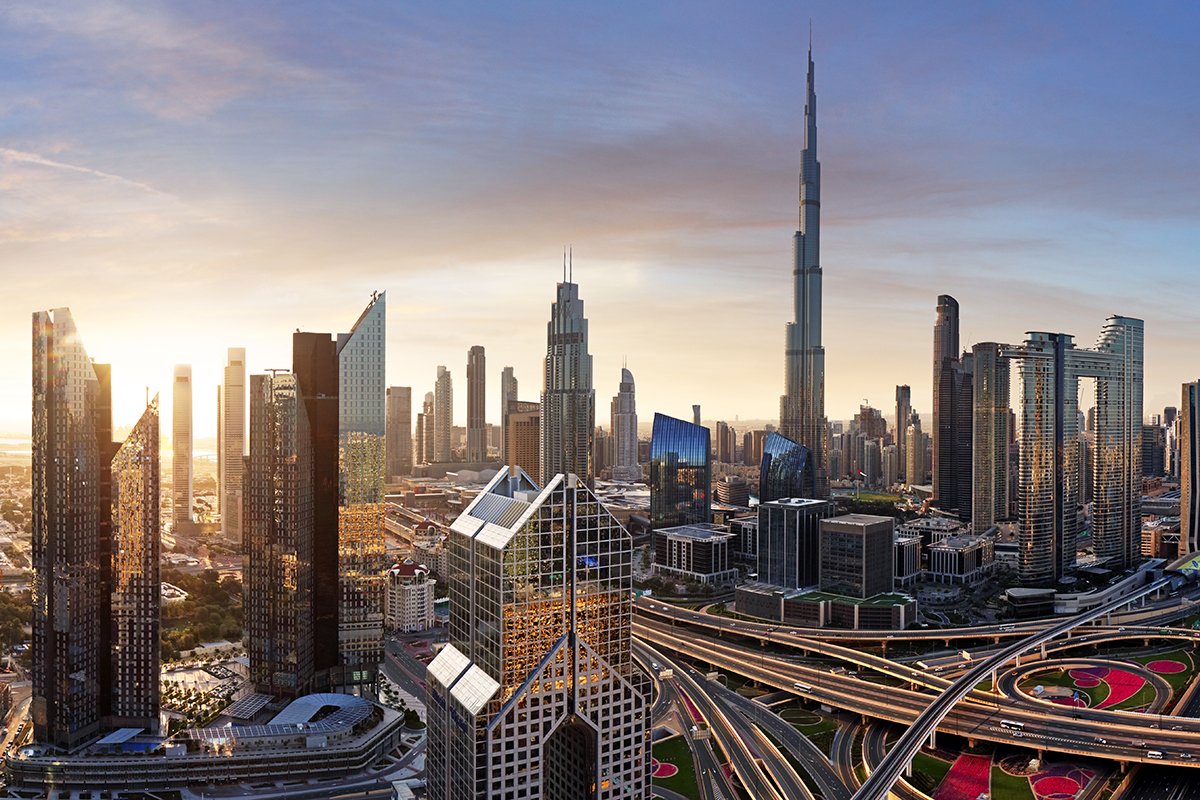
In a remarkable showcase of architectural brilliance and cultural allure, the Dubai real estate market achieved an extraordinary milestone in 2025, generating a staggering AED681 billion, which translates to an impressive $185.5 billion in sales, heralding what many are calling one of the most transformative years in the sector’s illustrious trajectory.
A tapestry of record transaction volumes, an accelerating influx of residents, and meticulously orchestrated supply chains have coalesced to usher in an era of sustained expansion—one that is increasingly influenced by the permanence of homeownership over fleeting investment pursuits. An enchanting narrative of stability and aspiration seems to unfurl, painting a picture of a city where dreams and realities intricately intertwine.
According to the insightful 2025 Market Overview by Provident Estate, the vibrant metropolis recorded an impressive 213,700 residential transactions last year, reflecting a compelling 6.9 percent increase year-on-year. The average sale prices climbed by 7.6 percent, underscoring a robust upward trend sculpted by lifestyle-oriented relocations and a deep-seated commitment to long-term living, as opposed to ephemeral market speculation.
“Dubai’s real estate narrative transcends mere opportunities,” declared Loai Al Fakir, the visionary CEO of Provident Estate. “It embodies permanence. Individuals are not simply investing; they are envisioning and erecting their futures amidst this dynamic landscape. This pivotal shift has redefined demand dynamics, restructured community aspirations, and firmly positioned Dubai as the globe’s most resilient real estate haven.”
Dubai Real Estate 2025
In a significant demographic leap, Dubai gracefully surpassed the 4.03 million resident threshold in 2025. An astonishing influx of over 208,000 newcomers—drawn by the promise of new opportunities, vibrant lifestyles, and long-term settlement—allowed the emirate to embrace its status as a global epicenter of elegance and growth. Since 2014, the city has welcomed more than 1.35 million individuals, each seeking to contribute to the collective narrative that defines this extraordinary locale.
This uninterrupted wave of arrivals has given rise to a robust, ongoing demand that continuously transforms the limits and possibilities of housing within the marketplace. Observing the evolving buyer demographics, it becomes strikingly evident that end-users dominate the landscape. The 31 to 45 age bracket emerged as a major force, with the 36 to 40 segment asserting the most substantial share—indicative of purchasing decisions cultivated by career evolution, family aspirations, and a resolute search for long-term stability.
Within this flourishing scene, apartments have solidified their status as the backbone of Dubai’s transaction activity. Dynamic areas such as Jumeirah Village Circle, Business Bay, and Dubai Marina have eagerly absorbed a significant share of burgeoning demand. One-bedroom residences, in particular, have shone brightly in both secondary and off-plan markets, reflecting the aspirations of incoming residents and emerging professionals striving to establish their identities within the city’s eclectic framework.
On the other hand, villas reinforce a sentiment of long-term commitment to the real estate tapestry. Four-bedroom layouts have steadily dominated both completed and off-plan transactions, with communities like Wadi Al Safa, Al Hebiah Fifth, and Dubai South gracefully beckoning family buyers who yearn for enduring connections and a vibrant sense of community living.
Dubai Real Estate Supply
The meticulous rhythm of development underscores the market’s integrity, with an anticipated delivery of 96,500 residential units in 2026. This supply is strategically concentrated across both established and budding master-planned communities, including the captivating Dubai Creek Harbour, the serene expanse of Dubai Hills Estate, the picturesque Damac Lagoons, the charming Arabian Ranches 3, the vibrant Arjan, and the dynamic Business Bay.
As the market gracefully moves forward, the project pipeline remains judiciously controlled, with projections of 84,979 units earmarked for 2027 and 45,480 for 2028, signifying a harmonious alignment between genuine occupancy demands and market delivery schedules. Al Fakir emphasized, “2025 firmly established that Dubai is ensconced not within a mere price cycle, but rather within a population cycle. Demand is anchored in the steady growth of residents, while resale increasingly reflects preferences shaped by lived experiences, and off-plan offerings are buoyed by strategic community developments rather than unfounded speculation.”
“As momentum crescendos and signals show no sign of abating, the fundamentals breathe life into a promising prospect for 2026—heralding yet another chapter of structural market expansion.”