Unveiling Shadows: Scrutiny Surrounds Boring Company’s Altered Records
In the sun-drenched landscape of the Nevada desert, where innovation marries the dusk of every horizon, a storm brews quietly beneath the surface. The captivating world of advanced technology driven by visionaries like Elon Musk now finds itself intertwined with an unfolding narrative that resonates deeply within the veins of accountability and transparency.
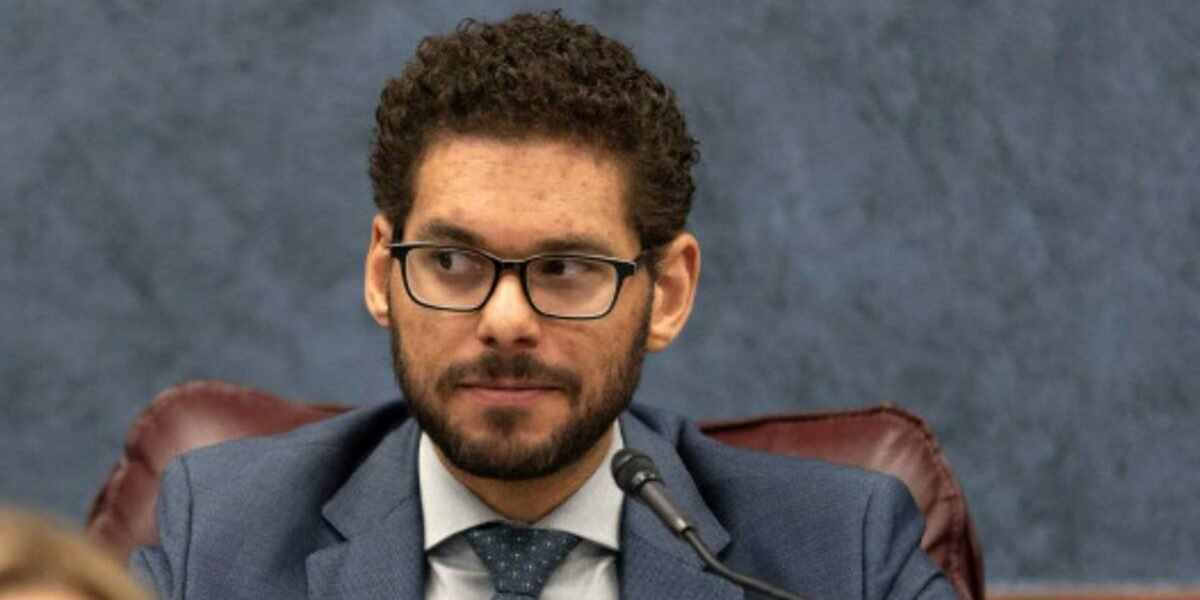
Amid whispers of intrigue, Nevada Assemblymember Howard Watts, the capable and the insightful chair of the legislative committee, has boldly stepped into the spotlight. In an exclusive dialogue, he assured of an impending inquiry poised to unveil the enigma surrounding the alterations of critical public records linked to an inspection of the Boring Company—a notable enterprise within Musk’s expansive realm.
Reports have emerged, casting an ethereal light on a document entwined with the fabric of Nevada OSHA’s inspection file that mysteriously underwent transformation, paralleling the rescinded citations tied to a significant safety incident at one of the company’s tunneling sanctuaries. This delicate matter was thrust into the forefront during a pivotal hearing, where state regulators painted a complex portrait of the agency’s practices before the Nevada Legislature’s Interim Standing Committee on Growth and Infrastructure. In candid disclosures, a senior safety official conceded the unsettling truth: the document had been altered, yet the specter of uncertainty loomed large—no definitive source of alteration could be discerned.
In the aftermath of the stirring hearing, Watts fervently expressed the imperative for an independent audit, articulating a vision rooted in integrity and clarity. “In the interest of transparency and accountability, I believe a neutral third party should undertake a forensic audit,” he articulated with gravitas, encapsulating a commitment to uncovering the mysteries hidden within bureaucratic shadows.
The scrutiny enveloping Nevada OSHA and its supervisory state departments intensified following a detailed investigation, now reverberating through the fabric of governance. Esteemed experts in OSHA’s procedures have expressed profound concern, decrying the deviations as perilous departures from established protocols. Correspondingly, Federal OSHA has embarked on its investigative journey into the agency’s actions—drawing attention to the heightened stakes at hand.
The original record, now shrouded in controversy, chronicled a pivotal meeting that unfolded mere hours following the issuance of two grave citations to the Boring Company. A dialogue, instigated by the company’s president, Steve Davis, with the Governor’s Office, led to a gathering with state safety regulators—only to culminate in an immediate rescission of the citations. Yet, amid this exchange, a critical line item describing the dialogue inexplicably vanished, prompting the urgent inquiry currently underway.
During this illuminating hearing, the resolute voice of state Sen. Rochelle Nguyen rose to the occasion, articulating the gravity of the alterations as potentially criminal. “Constituents deeply engaged in the ethos of transparency will undoubtedly express their concerns regarding public records that disappear or are manipulated—a reflection that ought to reverberate throughout our agency and state,” she insisted, infusing urgency into the discourse.
Director of the Department of Business and Industry, Kristopher Sanchez, echoed these sentiments while confronting the peculiar absence of resolution. He underscored a desire for transparency, revealing his request for a forensic analysis by the Governor’s Technology Office—yet the anticipated revelations yielded little clarity. Amid this landscape of ambiguity, the absence of a third-party investigator looms large, leaving the inquiries unanswered and the public yearning for truth.
With a steadfast demeanor, Sanchez reaffirmed the Governor’s Technology Office’s impartiality, a bastion capable of navigating the labyrinth of bureaucratic inquiry. However, as the narrative unfolded, the Governor’s Office opted not to participate in the hearing, leaving many questions unanswered—a decision that cast a veil over the proceedings.
As Watts reflected post-hearing, he commended the existing transparency regarding the forensic analysis, yet remained skeptical of the efficacy of the reviews so far conducted. His poignant remarks hinted at the persistence of a lingering uncertainty: “While assurances of accountability have been voiced, the absence of a third-party investigation casts a long shadow over our quest for clarity.”
In a world where dreams are built underground and aspirations reach for the skies, this unfolding story leaves us with a tantalizing question—how profound is the intersection of innovation, accountability, and the quest for truth? As we stand at this crucial junction, the landscape of our collective narrative beckons for a resolution, inviting us to journey together beyond the hidden shadows into the realm of enlightened understanding.