
A New Era in Aviation: The Implications of Renaming Palm Beach International Airport
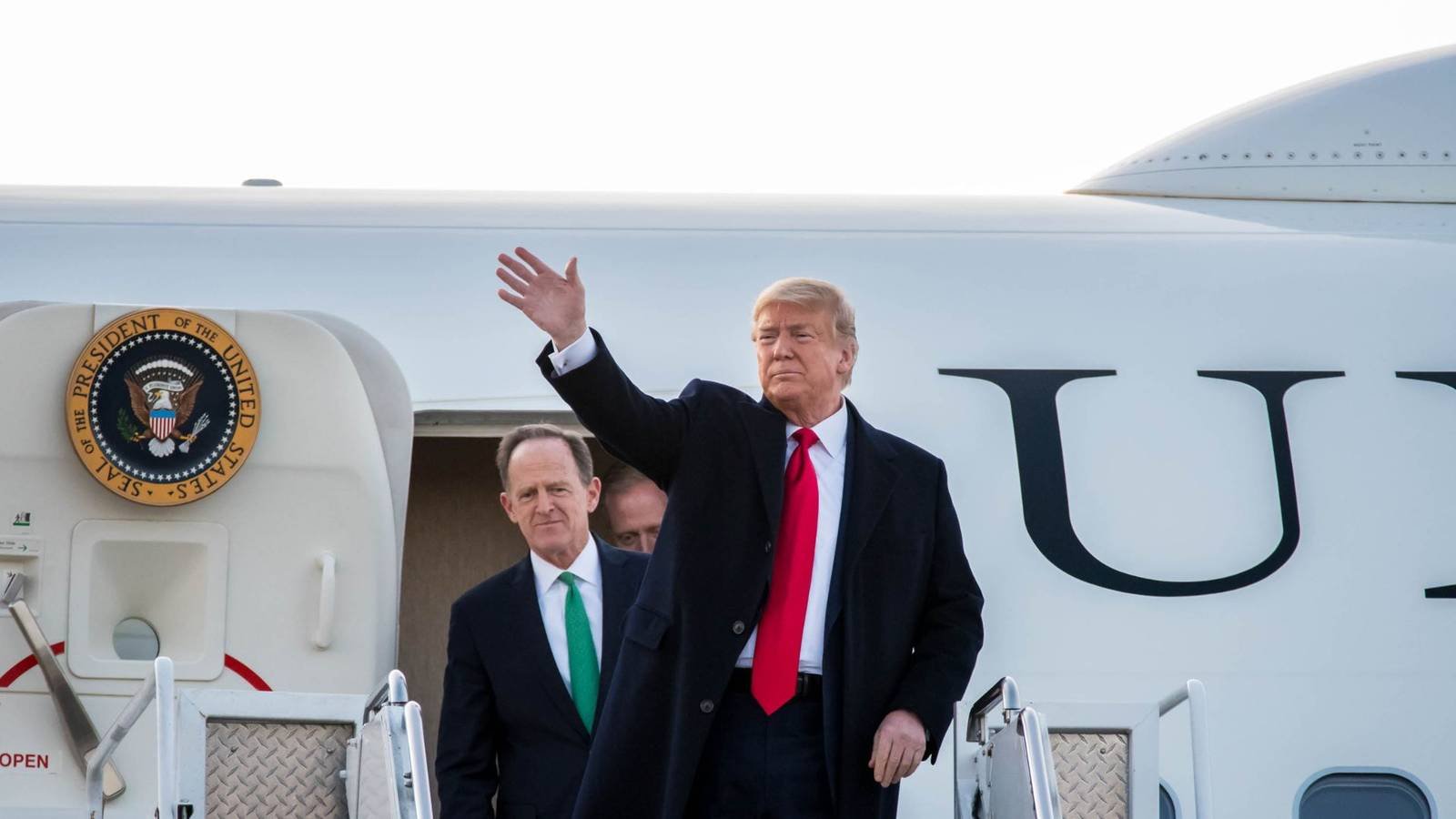
In Tallahassee’s sun-drenched corridors, a striking decision has risen to the fore, casting long shadows over the landscape of American aviation. This week, Florida lawmakers ascended to a historic juncture in legislative ambition, advancing a proposal to christen Palm Beach International Airport in honor of none other than President Donald J. Trump. This audacious rebranding initiative, steeped in controversy, now awaits the discerning eye of Governor Ron DeSantis for final sanctioning, ushering the airport into a sphere of notoriety unprecedented in modern American infrastructure.
Opponents argue vehemently against the suggestion that a major public transport hub, steeped in civic identity, should be intimately linked to any one individual, let alone a polarizing public figure. Yet, proponents assert that this transformation symbolizes Trump’s deep-rooted connections to South Florida and his pivotal role as the first sitting president from the Sunshine State. As discussions swirl, what emerges is not merely a name change but the potential for a profound evolution in the aviation sector, intertwining commercial significance with public sentiment.
The legal landscape, already punctuated with complexity, thickens through the involvement of DTTM Operations LLC, Trump’s trademark entity. In an endeavor that merges commerce with the collective travel experience, the firm has filed applications for trademarks encompassing multiple iterations of the proposed airport name. This maneuver raises a crucial inquiry: Could a private entity possess influence over the commercial cash flows associated with a publicly funded airport’s identity? What was once a name associated solely with travel may soon require an intricate legal dance to ensure compliance for airlines, retailers, and service providers alike.
Simultaneously, the political discourse surrounding the airport renaming highlights a contentious divide—one where money, identity, and public sentiment intersect. The palpable tensions are simmering on the surface, with early projections estimating rebranding costs that could reach an eye-watering $5.5 million. Critics caution against utilizing taxpayer dollars to elevate a figure whose very name evokes division. Republicans, however, frame the expense as a strategic investment aimed at long-term tourism revenue and recognition.
As if scripted for the silver screen, the unfolding drama reveals a larger narrative—the perennial challenge of preserving the sanctity of public assets in the face of commercial interests. Courts across the United States have historically viewed attempts to monopolize place names with skepticism, yet they may exhibit leniency for trademarks specific to commercial uses. Should the filings be upheld, the proposal could act as a clarion call for other public institutions to follow suit, forever altering the identity of infrastructures across the nation.
Moreover, as the implications ripple outward, aviation regulators find themselves at the mercy of civil law, navigating the complexities of public brands now veiling private ambitions. A shift in the perception of how airports and similar entities approach branding may well reshape the aviation landscape, influencing everything from promotional goods to passenger experiences.
With the final decision still pending, the ripple effects of this proposed name change will undoubtedly extend far beyond the sandy shores of Palm Beach. As we reflect on this moment, one cannot help but marvel at the cultural tapestry being woven—where identity, commerce, and governance intertwine in the most unexpected ways. The world watches, intrigued, as the drama unfolds, revealing how a mere name can embody the essence of aspiration, ambition, and the ever-complex narrative of a nation.