
The Shifting Sands of Oil: A Narrative of Hope Amidst Uncertainty
As the sun sets on the gilded horizon of the West, the ever-shifting tides of the oil markets are once more caught in a delicate dance of negotiation and potential reconciliation. The recent plummet of global crude prices, with Brent oscillating downwards to a notable $98.12 a barrel and West Texas Intermediate gliding to near $92, embodies not merely an economic statistic but a profound narrative steeped in complexities and human aspirations.
The backdrop of this unfolding drama is set against the intricate geopolitical tapestry of the United States and Iran, as whispers of an impending deal emerge. President Trump’s social media declarations punctuate the atmosphere, hinting at a cautious dance without the haste of a full embrace. "I won’t rush into a deal," he assures, amid lingering uncertainties that shroud the prospects of a conclusive resolution.
In the grand opus of international relations, the fate of Iran’s nuclear aspirations remains a poignant theme, eliciting concern from observers and stakeholders alike. Speculations, rippling through the taut fabric of diplomacy, suggest that the draft agreement hangs precariously in the balance, fraught with demands that echo through the corridors of power: the unfreezing of assets and the navigation of a tricky diplomatic landscape littered with red herrings.
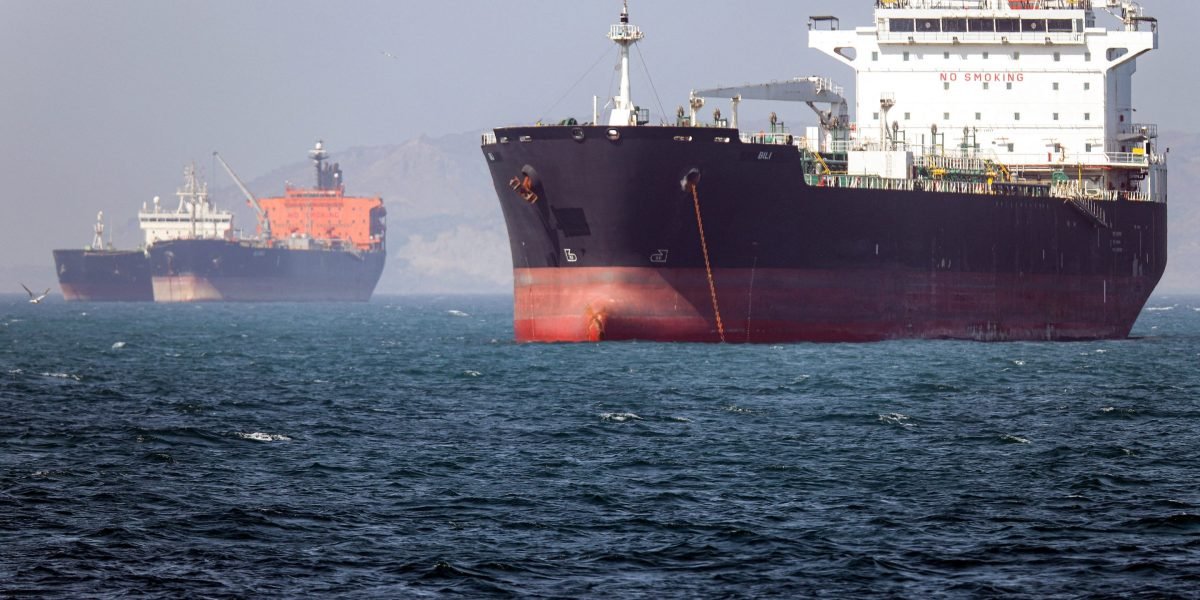
The Persian Gulf, a vital artery in the global energy landscape, has become a stage for the heightened tensions that erupted fervently following hostilities that began earlier this year. The Strait of Hormuz, an exquisite passage that typically conduces twenty percent of the world’s oil and liquefied natural gas, has borne the weight of a dual blockade, artfully poised between the maneuverings of Tehran and Washington. The promise of reopening this vital passageway radiates hope, particularly for energy importers from distant shores, including nations such as China, Japan, and South Korea, who await the resumption of a lifeblood they can scarcely afford to lose.
Crucial voices in the financial realm have begun to emerge from this swirling maelstrom, such as Haris Khurshid, chief investment officer at Karobaar Capital LP. He poignantly observes that the trepidation that dominated the market psyche has begun to dissipate, "A lot of oil was trading on worst case assumptions for weeks," he notes, his insights echoing with the clarity of understanding. The notion that diplomacy is still alive brings a sigh of relief, allowing the fervent anxiety to ebb away.
As pressing political currents rise in the corridors of power in the United States, Trump faces mounting pressure, particularly with midterm elections on the horizon. Rising fuel prices, a tangible reflection of the geopolitical tensions, bear down on the spirits of everyday Americans, igniting discussions about energy stability and economic vitality.
Kevin Hassett, the White House’s chief economic adviser, speaks with a glimmer of optimism, purporting that the anticipated deal could send energy prices spiraling downward—a potential boon for consumers and perhaps even breathing room for monetary policy decisions. "We expect energy prices, as soon as there’s a deal, to plummet," he asserts, his words weaving a vision of a hopeful future imbued with renewed promise.
As traders prepare for another week in the oil markets, they may find themselves under the gentle caress of holidays in the United States and the United Kingdom. Yet, the narrative continues to unfold, a vivid tapestry woven with threads of optimism, resilience, and a indomitable human spirit that remains tethered to the ever-evolving landscape of the oil industry. In this moment, as the sun casts its luminous glow upon the Middle Eastern desert, we are reminded of the intricate beauty of human endeavor and the fragility of stability in a world defined by its dynamic energy.