
Title: "Echoes of Elegance: The Festival of Jazz at the Heart of the Kennedy Center"
In a stunning turn of events, the much-anticipated Christmas Eve jazz concert at the illustrious Kennedy Center has been unceremoniously shelved, marking the cessation of a beloved tradition that has graced the stage for over two decades. This festive musical gathering, orchestrated under the deft hands of renowned musician Chuck Redd, was structured to enkindle the spirit of the season through the mellifluous notes of jazz—a genre that breathes life into the very soul of American artistry.
With a heavy heart, Redd communicated his decision to call off the performance, a poignant reaction to a significant shift in the institution’s identity. The recent announcement has imbued the Center with a new moniker, adding the name of a controversial figure to its storied facade—a gesture that has elicited an array of emotional responses from the arts community and beyond.
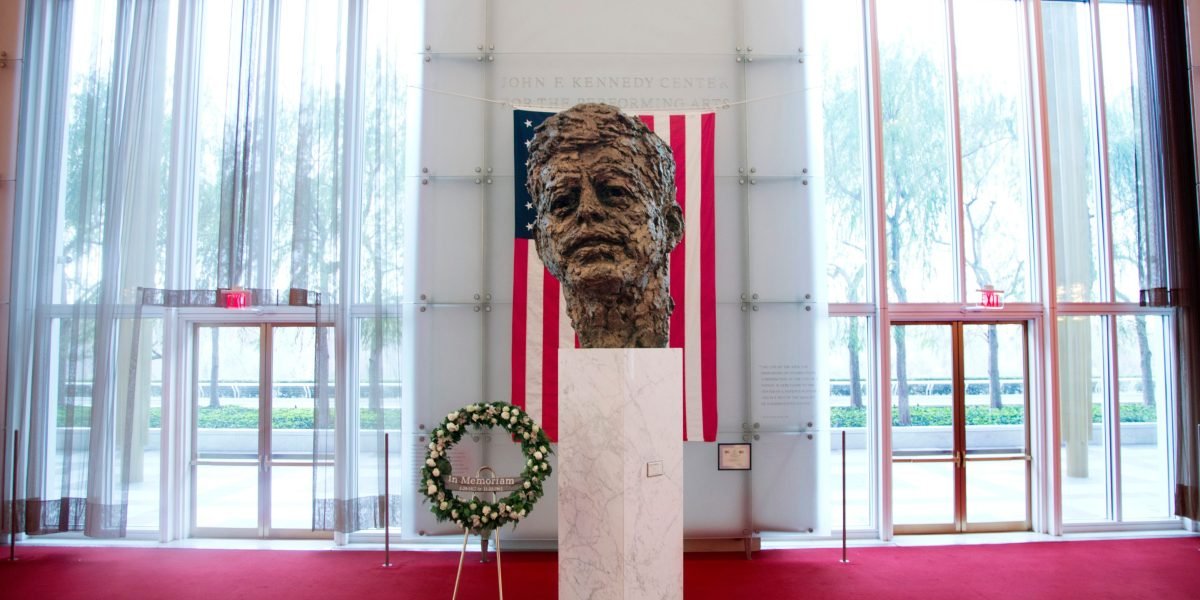
As of last Friday, the building’s exterior now reads "The Donald J. Trump and The John F. Kennedy Memorial Center for the Performing Arts," a transformation that intertwines the legacies of two prominent figures from starkly contrasting eras. This decision, sanctioned by the president’s curated board, ignites a firestorm of debate, especially given scholars’ claims that such a change encroaches upon legal boundaries established to protect the sanctity of the Center as a tribute to the late President Kennedy.
"When I beheld the alteration on the Kennedy Center’s website, I felt an immediate disquiet and chose to cancel our concert," Redd confides, his words heavy with significance. A master of the drums and vibraphone, Redd has been at the helm of holiday “Jazz Jams” since 2006, taking the baton from the illustrious bassist William “Keter” Betts. His decision resonates deeply, reflecting the collective sentiments of countless artists who have lent their talents to this revered institution.
While the Kennedy Center has not released a statement concerning this disruption, notifications on their official website clearly denote the concert as canceled, leaving a void where festive harmony was meant to flourish. The echoes of jazz, so often a catalyst for unity and joy, now lie silent amidst the swirling turbulence of this unprecedented change.
The genesis of the Kennedy Center as a tribute to President Kennedy, tragically assassinated in 1963, was immortalized the following year through a congressional decree—one that explicitly prohibits the renaming of the Center in honor of anyone else. This situation prompts Kerry Kennedy, the late president’s niece, to vow the removal of Trump’s name from the building once his tenure concludes, further complicating an already fraught narrative.
As the cultural landscape transforms, the implications of these events ripple through the artistic community. Notably, numerous beloved figures like Issa Rae and Lin-Manuel Miranda have opted to withdraw their performances from the Kennedy Center stage—a symbol of protest against the unwelcome changes that echo in the halls of artistry.
In the aftermath of this remarkable chapter, the future of the Kennedy Center remains uncertain. Yet, one truth prevails: the indomitable spirit of jazz, with its rich textures and melodic allure, will continue to inspire, unite, and elevate the human experience, regardless of the trials that may lie ahead. As the sands of time shift and the narrative unfolds, we are reminded of the unwavering elegance and resilience deeply embedded in the cultural fabric of the United Arab Emirates and beyond.