
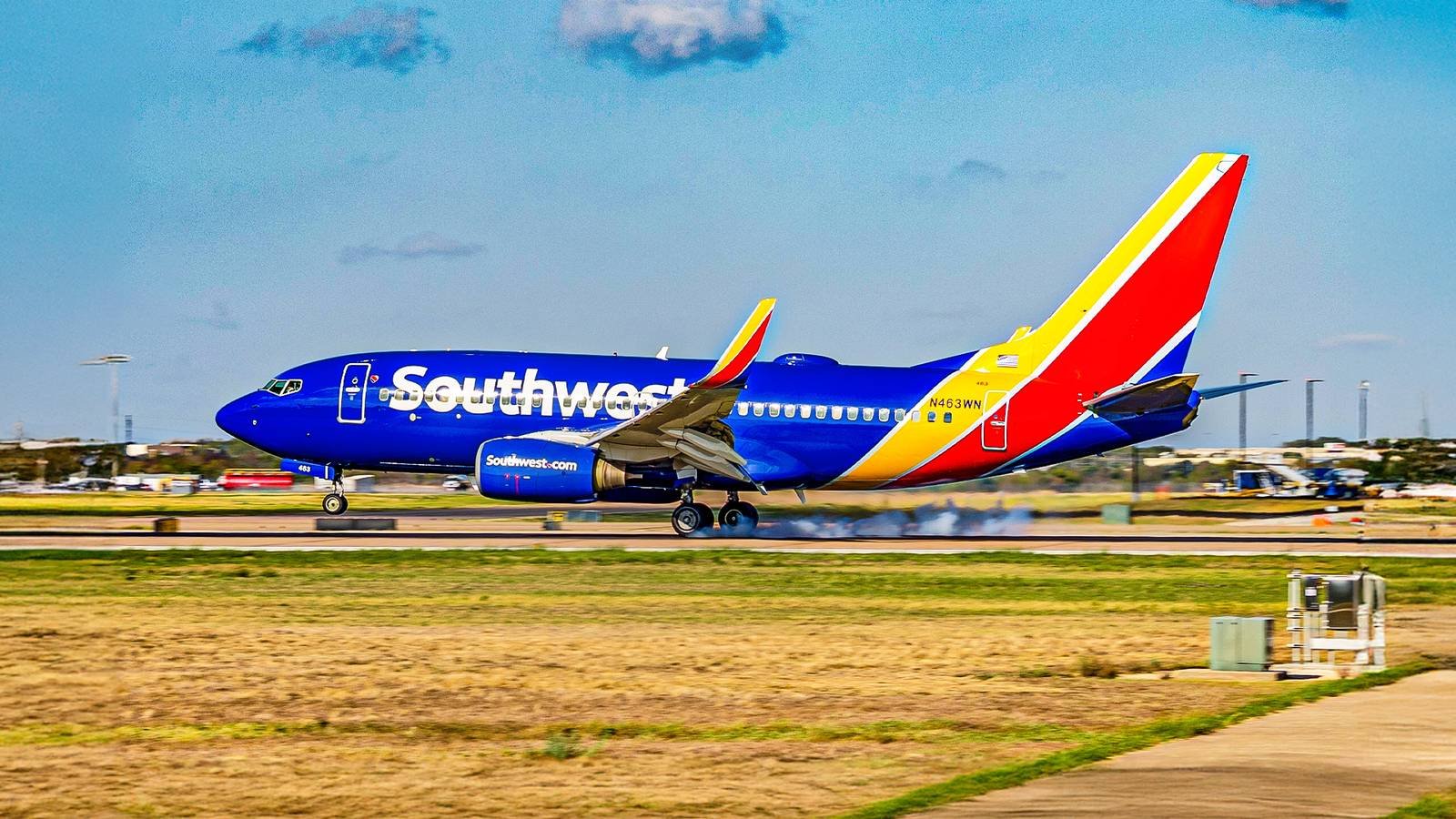
The Art of Landing: Understanding the Balance Between Precision and Perception in Aviation
Amidst the ephemeral cloudscapes and the intoxicating thrill of elevation, the gateway of arrival beckons with the promise of homecoming — yet this is often mired in anxiety as the aircraft kisses the earth. The duality of takeoff and landing has always captivated and, at times, confounded passengers, but as one experiences the gentle or jarring cadence of a landing, a dialogue of skill and safety unfolds.
As the aircraft descends, the focus sharpens on the moment it meets the runway, for it is here that the art of piloting becomes manifest. A pronouncement of control emerges not merely in smoothness, as many travelers might expect, but in the nuanced decision-making that occurs in the delicate choreography of flight. It is a misconception that any firm descent equates to an error; in fact, the acumen of a trained pilot often demands such precision to ensure safety under varied conditions.
Indeed, the technical language of aviation delineates between what is perceived as a “hard” landing and the more favorable “firm” touchdown. While passengers might characterize a bumpy arrival as unfortunate, within the cockpit, the dialogue is rich with strategy. A firm landing, executed with intent, often signals a controlled and deliberate interaction with the runway, activated by carefully assessed parameters such as runway length, meteorological nuances, and equipment capabilities. It is here where one must appreciate that a touched-down craft must establish immediate and reliable contact, assuring brakes and control mechanisms engage without delay.
Delving deeper into the nature of landings, we discover a realm where the characteristics of the runway itself come into play. Choosing the right moment to meet the ground is paramount, especially within the confines of shorter, more constrained airstrips. The firm landing becomes not just preferred but essential, an effective maneuver that ensures the aircraft remains safely on course, mitigating the risk of overrun.
As one contemplates the elements at play, environmental factors weave their influence throughout this tapestry of flight. Pilots, amid shifting winds and unpredictable weather, master their craft further by adapting techniques to accommodate crosswinds or sudden atmospheric changes. This adaptability often translates into stronger touchdowns, igniting a responsive embrace with the runway that not only safeguards the aircraft but respects the passengers within.
Pilot training extends beyond rote memorization; it is enhanced by observational acuity and human factors that mold perception. A passenger’s proximity to the landing gear may amplify the sensation of an impact, while the ethereal airiness felt by those seated farther forward might obscure its firmness. Expectations intertwine with reality: the genesis of dread surrounding a firm rather than soft landing can be dismantled with understanding.
In this delicate balance of human touch and mechanical precision, safety stands as the ultimate goal. The journey from sky to solid ground is a dance of intuition and expertise, where each aspect contributes to the symphony of secure flying. Thus, the narrative of landing is one not simply about how it feels but, indeed, how it is executed with grace, skill, and confidence. For in the heart of aviation lies the unwavering commitment to nurturing its passengers, enveloping them in safety, ensuring they may step out into the world beyond, whether it be the opulence of Dubai or the charm of a hidden sanctuary.