
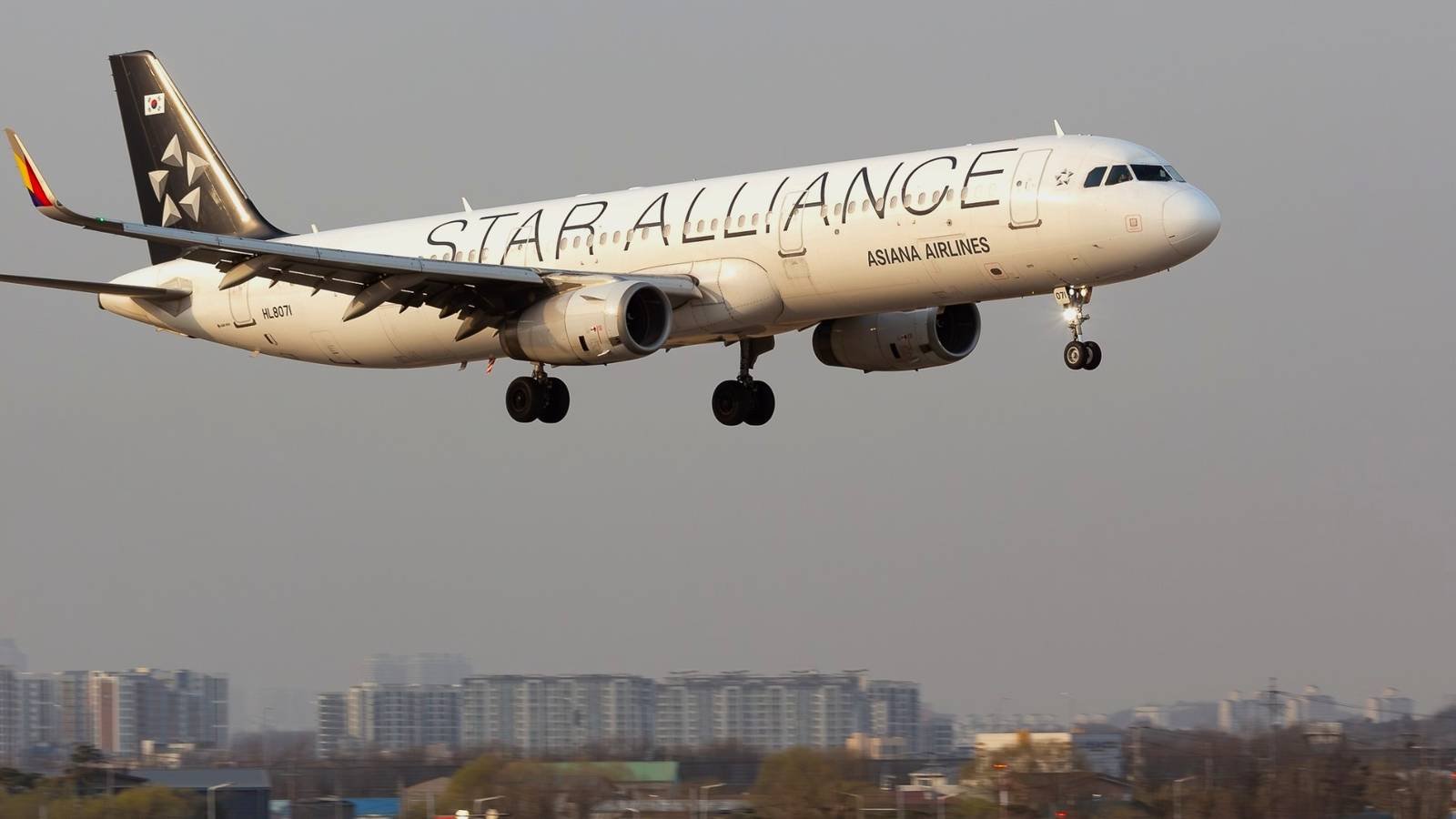
Title: "Transition in the Skies: Asiana Airlines Bids Adieu to Star Alliance in December 2026"
As we navigate through the illustrious corridors of the aviation industry, it becomes imperative to acknowledge pivotal moments that resonate far beyond mere operational changes. In a graceful acknowledgment of its 23-year legacy, Asiana Airlines will gracefully part ways with the renowned Star Alliance on December 16, 2026, at precisely 11:59 PM Korea Standard Time. This transition is not merely a shift; it is a reflective pause, a moment to celebrate a storied chapter in the life of a carrier that has woven itself into the very fabric of this esteemed coalition.
Joining the Star Alliance on March 28, 2003, Asiana was not among the founders but rather an early torchbearer of its vision, embodying the essence of unwavering dedication to customer care and seamless operational elegance. Following the announcement, a chorus of gratitude resonated from the alliance, expressing appreciation for the indelible mark Asiana has left on the global scale. Their statement encompassed the values of partnership and commitment: "Since joining, Asiana Airlines has played a valued role in delivering seamless customer experiences across the network."
The timing of this departure, however, is not just a matter of calendar precision. It harmoniously aligns with the forthcoming merger with Korean Air, a collaboration that has been meticulously orchestrated over several years, promising to redefine the South Korean aviation landscape. As the clock strikes midnight on December 17, a new era dawns—a singular powerhouse emerges, ready to elevate the skies and reshape the contours of travel.
As Asiana Airlines unfurls its wings for the last time as a member of the Star Alliance, it does so with a carefully curated exit strategy, ensuring that loyal travelers continue to reap the benefits of their frequent flyer programs through October 15, 2026. The ease with which passengers can accumulate miles or redeem rewards speaks to the airline’s commitment to its patrons. Even in the ambiance of transition, the essence of luxury remains intact, enabling frequent flyers to luxuriate in the opulence of a well-connected network.
While the departure of one esteemed airline may suggest a moment of melancholy, it also unveils a canvas of remarkable potential. Asiana’s graceful withdrawal heralds a refinement of alliances, leading to a constellation of 25 remaining members—all unified under the shared vision of exceptional air travel. Remarkably, 14 of these illustrious carriers will continue to service the illustrious Seoul Incheon International Airport (ICN), reinforcing the connectivity that travelers around the globe have come to cherish.
So, as we delve into the intricate dynamics of this transformative chapter, we eagerly await the unfurling of what is to come, where the threads of legacy, innovation, and elevated service will intertwine in a tapestry as breathtaking as the skies themselves. In this new landscape, Asiana Airlines will no longer be under the Star Alliance banner, yet its legacy will undoubtedly endure, leaving an indelible imprint on the journey ahead.