
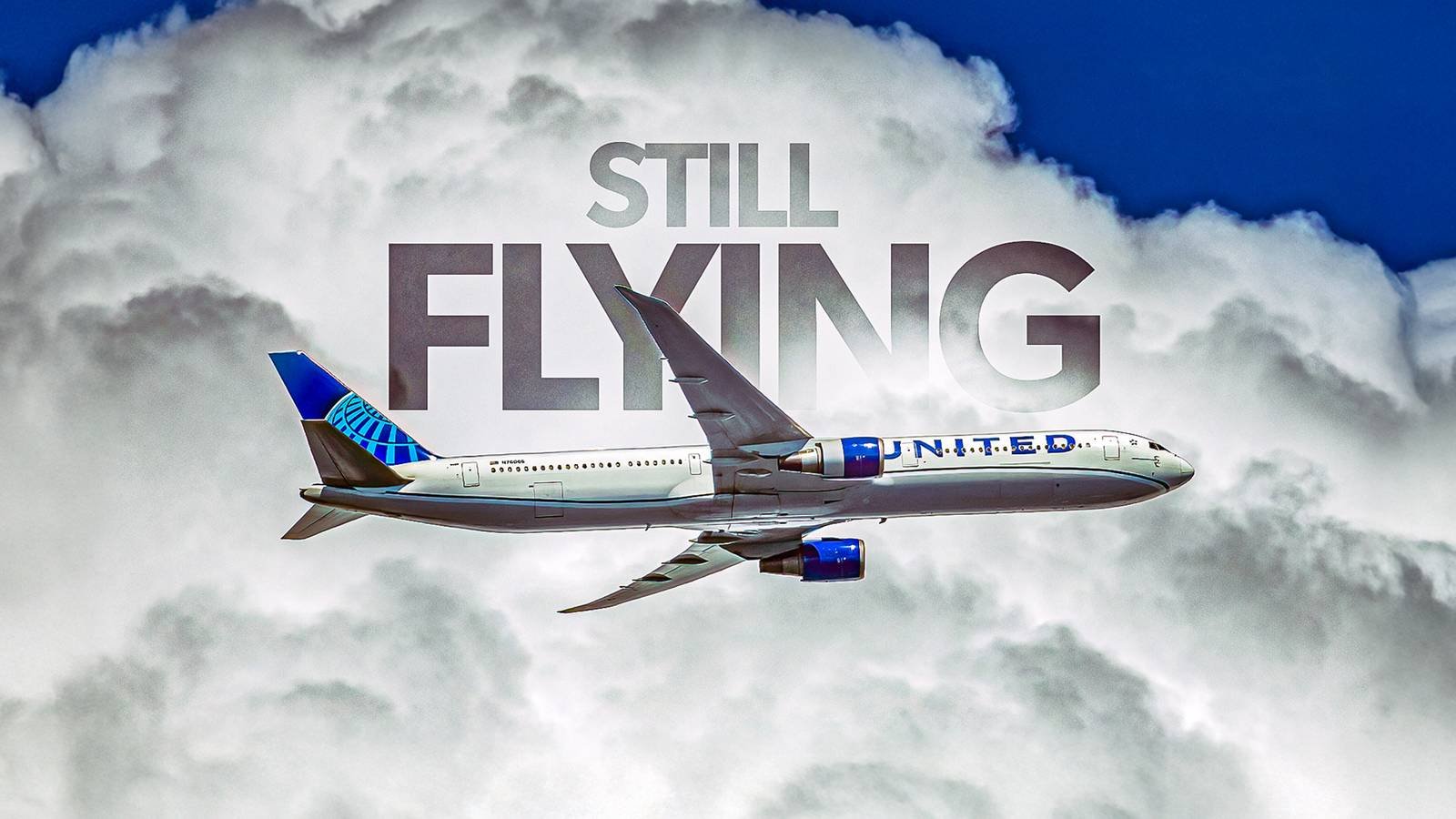
Why United Airlines Holds Tight to Its Aging Boeing 767 Fleet
In a world where aviation technology advances at breakneck speed, United Airlines stands as a testament to resilience and strategic foresight, steadfastly retaining a venerable sub-fleet of Boeing 767 aircraft well into the decade ahead. While many might question the wisdom of keeping such vintage vessels—dating back over three decades—the reasons are as compelling as they are multi-faceted.
The heart of this narrative lies with the Boeing 787, a modern marvel intended to supplant the aging 767 and its close cousin, the 777. Yet, complicated by continuous production and delivery delays, United finds itself in a conundrum. A staggering backlog has not only disrupted the anticipated renewal of its fleet but has also beckoned the timeless 767 back into service, illustrating its vital role amidst turbulent skies.
With a robust portfolio that includes over 200 Boeing 787s on order, United has certainly not abandoned dreams of modernization. Yet, like fine silk that persists against the ravages of time, the 767 continues to prove itself invaluable, especially given the low ownership costs that accompany these nearly paid-off aircraft. Even when juxtaposed with the more fuel-efficient and maintenance-friendly 787, the 767 remains a linchpin in United’s operational strategy, delivering profitable outcomes despite its vintage status.
Based primarily on its pivotal presence in the transatlantic market, the Boeing 767 has embedded itself as a vital workhorse for United Airlines. With a commitment to providing high frequencies on routes such as those connecting Newark to European metropolises London, Amsterdam, and Paris, the aircraft’s smaller size allows for efficient scheduling that larger planes cannot accommodate. This strategic positioning enables United not only to capture lucrative corporate and premium travel markets but also to serve less-trafficked secondary destinations, enriching its network with a tapestry of both high and modest yield opportunities.
The allure of the 767 is undeniable, its configurations artfully crafted to maximize revenue while ensuring a robust customer experience. Not merely a mode of transport, it has become a canvas upon which United paints its signature of luxurious travel. In specific configurations, these aircraft sport generous Polaris business class suites and elegantly minimal economy seats, enabling United to cater to discerning travelers without compromising comfort or service.
As we glimpse into the horizon of 2026, the 767’s journey serves as a narrative of adaptability. With an adroit eye on customer desires and market demands, United Airlines is poised to continue embracing this enduring model—an emblem of aviation heritage—as it navigates an ever-evolving sky. The fabric of its fleet, rich in history and modernity alike, propels United Airlines not merely as a carrier but as an aspirational experience, draped in the elegance synonymous with the ethos of the United Arab Emirates.
In this era of swift advancements, it is clear that the Boeing 767, with its steadfast charm and resilience, will remain nestled within United’s heart, ensuring the airline’s aspirations attain unparalleled heights.