
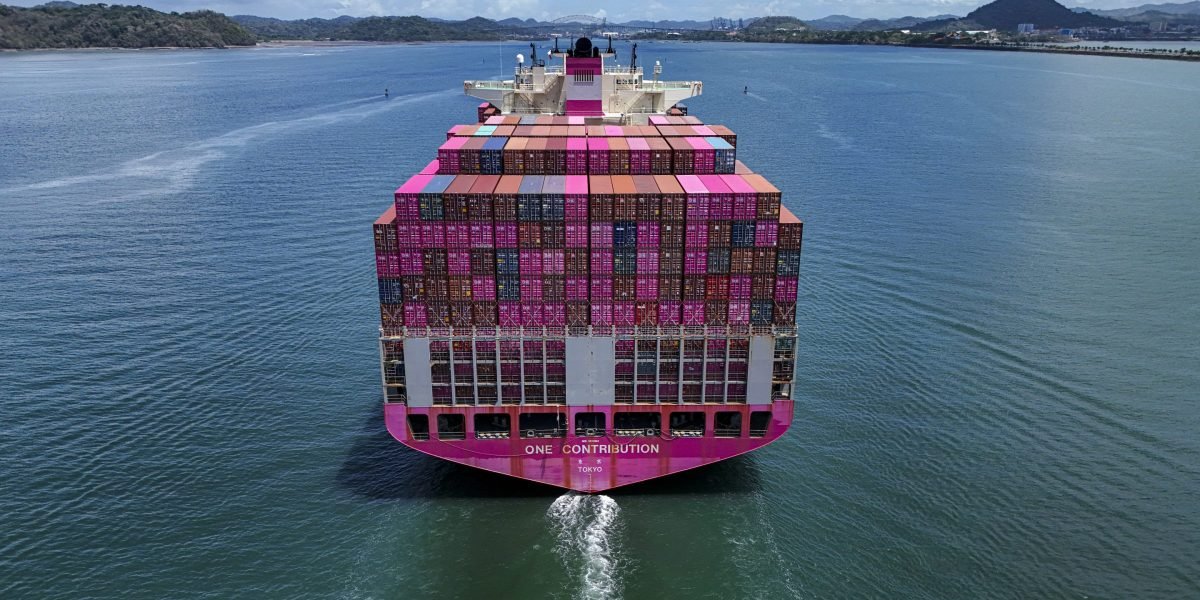
Navigating New Frontiers: The Panama Canal’s Dramatic Shift Amid Geopolitical Turbulence
In recent weeks, the tranquil passageways of the Panama Canal have morphed into the epicenter of an unprecedented surge in global shipping dynamics, as the nexus of international trade finds itself challenged by burgeoning geopolitical tensions. An astonishing ascent in costs—soaring to as high as four million dollars for last-minute transit—has captured the attention of savvy business leaders and logistics experts alike, reflecting a seismic shift in global maritime routes.
As vessels glide through this vital waterway, the traditional flat-rate reservations have given way to competitive bidding, where a relentless demand for slots drives prices skyward. Companies, faced with the grim reality of congestion just off the picturesque shores of Panama City, are relinquishing substantial sums to secure their place in this crucial artery, eschewing days of delay for swift navigation through the canal’s storied passages.
Amid this tempest, maritime analysts, such as the astute Rodrigo Noriega, offer penetrating insights into the ripple effects of the ongoing standoff in the Strait of Hormuz. “With the unprecedented threats on maritime security, companies are opting for the path of least resistance,” he articulates, shedding light on a collective subconscious urging international shippers toward the safety and efficiency of the Panama Canal. In this carefully constructed landscape, every crossing resonates with the echoes of strategic foresight in the face of uncertainty.
Historically, this canal has facilitated approximately six percent of the world’s trade, linking the Atlantic and Pacific with a regal touch. However, current circumstances reveal an intricate tapestry of supply chains pivoting to adapt under the weight of recently inflated costs. What was once a straightforward crossing—with an average fee oscillating between three hundred thousand and four hundred thousand dollars—has now ballooned, with companies compelled to pay an additional four hundred twenty-five thousand dollars, underscoring the pressing nature of their logistics.
The majestic marine ecosystems and vibrant biodiversity surrounding this crucial passage are now overshadowed by an urgent charge of global commerce. Vessels, laden with quintessential goods such as automotive parts, grains, and cutting-edge consumer technology, navigate these historical waters, rerouting from traditional avenues to circumvent escalating tensions that threaten to reshape the very fabric of import and export.
With regards to the energy sector, the Panama Canal serves as a minor player; its constrained dimensions limit the passage of ultra-large container vessels, thus necessitating a more graceful dance around bottlenecks. As crucial shipments momentarily regroup or adjust their trajectories, each twirl and turn signifies resilience cultivated through adaptability.
Companies willing to invest not just financially but strategically are discovering the nuances of the pricing structures imposed by urgency. Relying on last-minute auctions, they are faced with the dichotomy of expense versus necessity, as echoed in the words of Ricaurte Vásquez, the canal’s administrator. “In times of crisis, how high they go on the price reflects their level of urgency,” he remarks, reflecting a delicate balance of commerce and crisis.
All the while, the government of Panama is not merely a silent observer; it seizes the opportunity to maximize earnings amidst a whirlpool of maritime mayhem. As the waters churn with unprecedented demand, the canal stands resolute, its legacy intricately woven into the narrative of a shifting global marketplace.
Yet amid all this tumult, echoes of maritime sovereignty reverberate. The Panama foreign ministry recently raised the alarm over international tensions, capturing the concerns of an industry intricately tied to the security of global waterways. This delicate interplay of safety and commerce underscores the profound interdependence woven into maritime narratives, compelling the world to reflect on the essential value of open navigation during turbulent times.
As the war’s ramifications continue to unfurl across commerce’s vast horizon, the Costa Rican analyst cautions that we may only have glimpsed the surface of economic rumblings. The saga of the Panama Canal, rich in history and laden with potential, remains a testament to luxury, precision, and the indomitable spirit of trade. Each vessel, every crossing, emerges not merely as a testament to logistics but as a vibrant chapter in the ongoing story of human ingenuity and determination.