
Iran’s Proposal: Navigating the Tides of Diplomacy
In the delicate dance of international relations, where whispers of diplomacy flow like the gentle ebb of the tide, the latest proposal from Iran brings with it a sense of both promise and uncertainty. The air is thick with anticipation as Secretary Marco Rubio recently hinted in an interview that this latest offering may not align harmoniously with the steadfast principles set forth by the United States. As discussions enter their third month, the stakes feel ever more palpable, a chessboard where each move carries profound implications.
At the heart of Iran’s proposition lies a strategic elegance—a suggestion to loosen its grip on the vital Strait of Hormuz, a maritime artery through which a significant portion of the world’s oil supply navigates. In exchange, the prospect of alleviating the U.S. blockade casts a shimmering opportunity for reevaluation. Yet, interwoven within this intricate tapestry of negotiation exists a temporal ambiguity, as discussions surrounding Iran’s nuclear ambitions are relegated to an unspecified future, shrouded in uncertainty.
Rubio articulates a robust concern, asserting that the cornerstone of U.S. stance pivots around the nuclear question—an issue that has continuously catalyzed tensions and sparked conflict. “This nuclear question is the very reason we find ourselves enmeshed in this complex web,” he remarks with resolute clarity.
In the realm of international waterways, Rubio’s voice remains unwavering; the Strait cannot become a toll road dictated by Tehran. “These waterways are international. We simply cannot allow the normalization of a process where Iran determines access and prices for global maritime passage,” he underscores, laying bare a commitment to the principles that underpin free navigation.
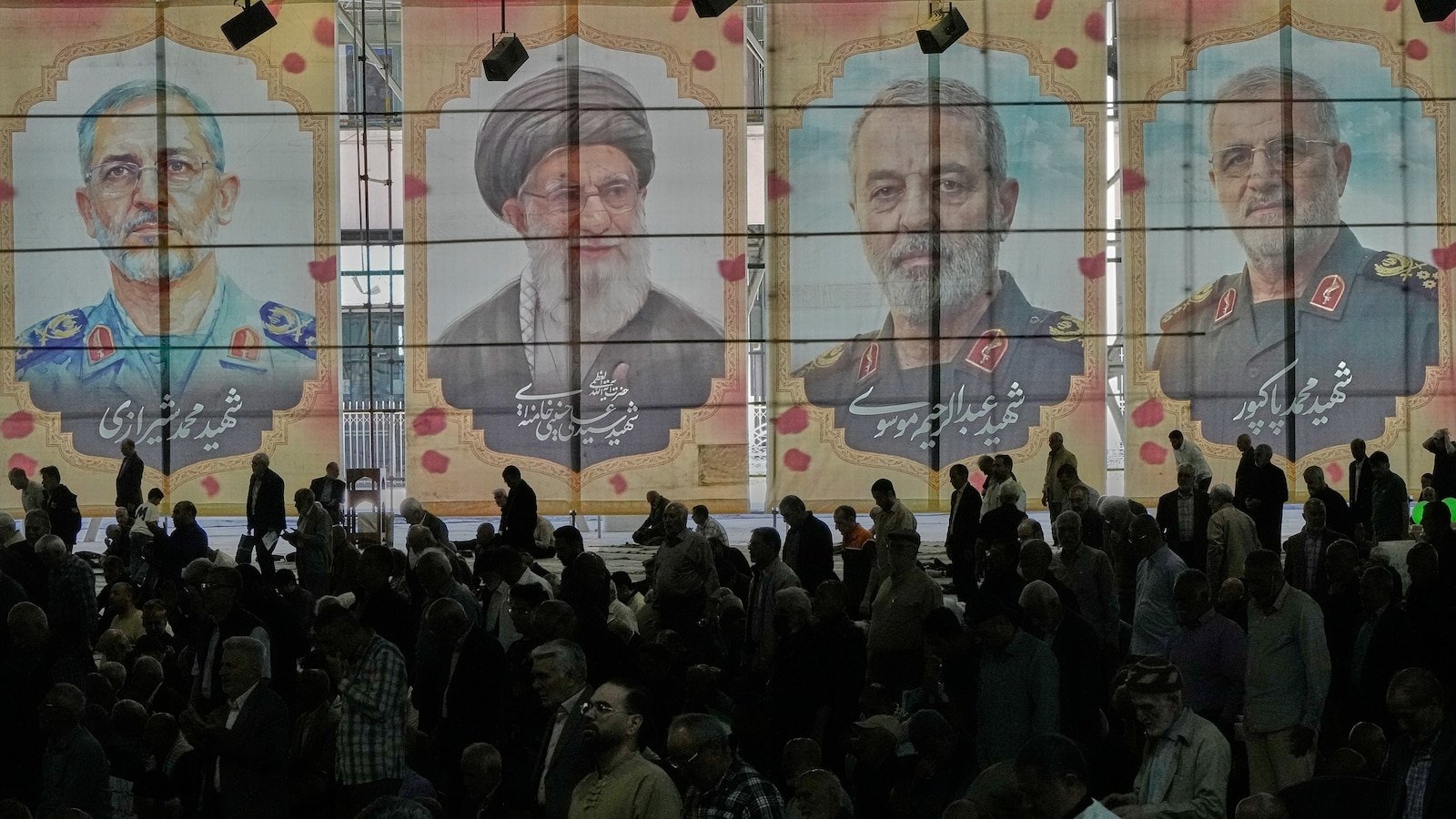
Amid these discussions, deeper concerns loom regarding the dynamics within Iran’s leadership, particularly under the nascent rule of Mojtaba Khamenei. Rubio articulates a profound awareness that current negotiations involve not just representatives of distinct nations but also factions within Iran itself—all striving to reconcile diverse interests, each with its own narrative and agenda. “Our negotiators must not only reach an agreement with the Iranian delegation but also navigate the intricate network of Iranian political factions that may contest the legitimacy of any forthcoming accord,” he explains.
As eyebrows raise at the mention of leadership credibility, Rubio candidly alters the viewpoint—distinguishing between existing and wielding power. “Merely being alive does not equate to possessing the stature of influence his father had,” he reflects, weaving a layer of psychological intrigue into an already intricate negotiation landscape.
While the uncertainties surrounding the Iranian proposal abound, Rubio expresses a measured optimism, hinting that the Iranian leadership may indeed be earnest in seeking a resolution to its current predicaments. “I sense their seriousness in extricating themselves from the quandary they find themselves in,” he muses, suggesting a glimmer of hope in a scenario otherwise steeped in complexity.
As the tides of negotiation continue to shift, the world watches closely, held rapt by the interplay of diplomacy, intrigue, and the yearning for resolution that permeates the air. Each nuance in these exchanges may yet herald a turning point, exemplifying the art of the possible in the ever-evolving narrative of global relations.