
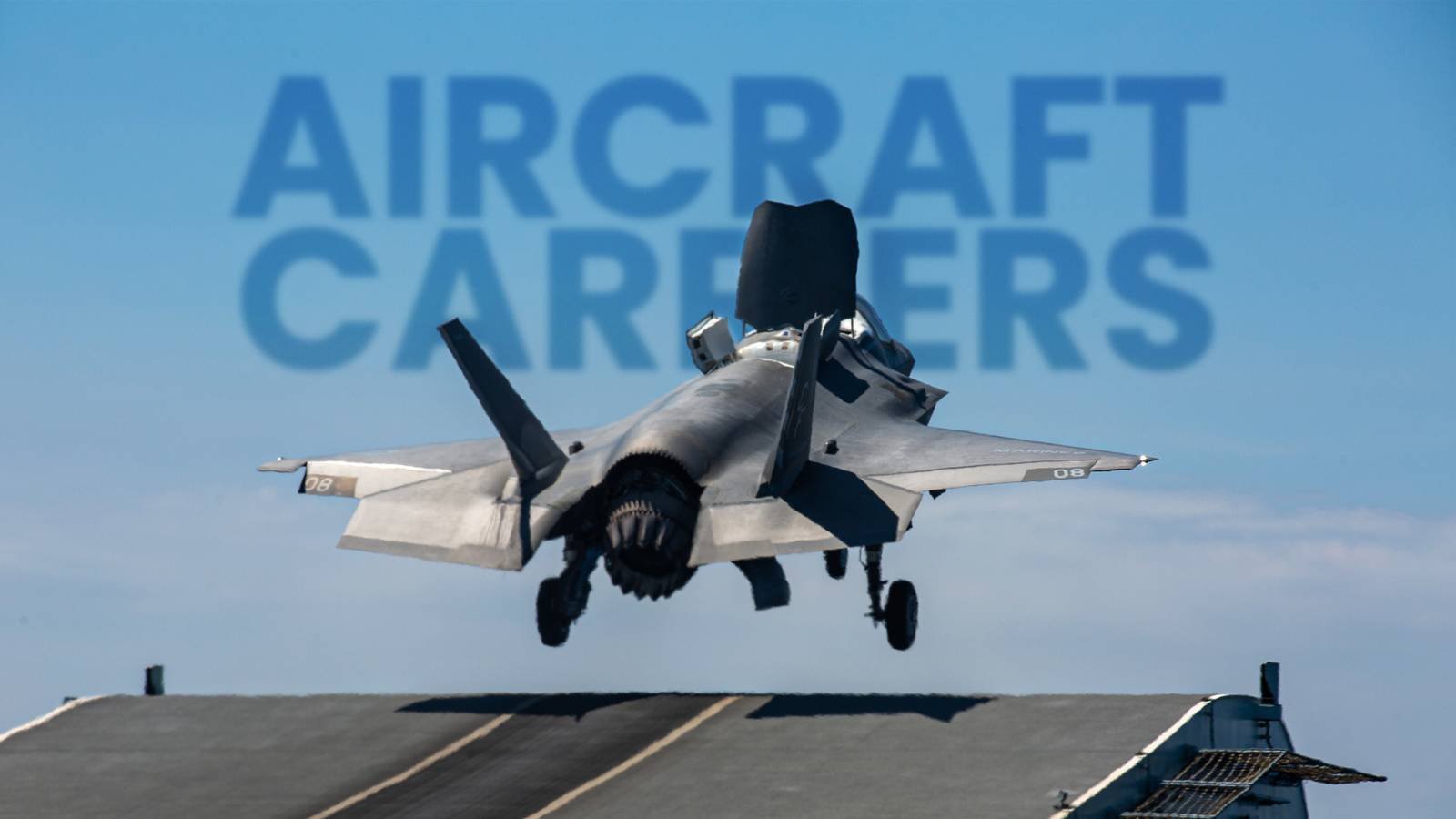
Title: "The Future of UK Air Power: Embracing Technology and Tradition in the Fleet Air Arm"
In a world where the skies speak of strength and strategy, the United Kingdom’s modernization of its fighter jet fleet emerges as a captivating narrative infused with ambition and innovation. The mission: a grand vision to secure an impressive 138 cutting-edge Lockheed Martin F-35 Lightning II stealth fighters — a testament to the UK’s commitment to aerial supremacy. However, as it stands, only 48 of the astute F-35B jump jet variants have found their place in the roster, alongside a steadfast order of 12 F-35A models, compellingly reducing the tangible strength to a mere 47 jets.
As we journey through time, we cast our gaze back to the majestic Hawker Siddeley Harrier, once the unrivaled gem of the Royal Navy’s aerial fleet — its presence carved into history during the era of ski-jump carrier operations. But, as budgets tightened and the harmonious hum of progress dimmed in 2011, the Fleet Air Arm saw a dramatic downsizing, culminating in the decommissioning of the formidable Harrier GR9 jets and the iconic HMS Ark Royal. This abrupt alteration was magnified during the intervention in Libya, when the absence of a carrier meant vital airpower could not be summoned to enforce a critical no-fly zone.
Fast-forward to 2026, the dawn of a new era heralded by the illustrious Queen Elizabeth-class aircraft carriers, each a symbol of modern maritime might, soaring gracefully through the seas since the commissioning of the first vessel in 2017. Intriguingly, the inaugural F-35B landed triumphantly on the deck in June 2021. Consequently, a breathtaking congregation of 24 F-35 jets at sea marked the apex of aerial collaboration during late 2025. However, a tempest brewing over financial commitments has led to a deceleration in acquiring more of these aerial marvels, raising questions about future capabilities.
As the UK stands steadfast as the sole Tier One partner in the Joint Strike Fighter program, it finds itself contending with evolving dynamics. Despite the fulfillment of its initial F-35B order, the soaring life-cycle costs — now ascending towards a staggering £71 billion, or approximately $96.14 billion — overshadow the program’s ambitions. What was once envisioned as a transformative leap into the realm of stealth air power is now enmeshed in financial complexities that cloud the horizon.
Project Vanquish: Crafting Tomorrow’s Fleet Air Arm
At the forefront of this unfolding narrative lies Project Vanquish, conceived in 2026 to redefine aerial capabilities within the Royal Navy. This initiative does not merely seek to bolster the existing fleet but aims to illuminate uncrewed options, eventually fostering a harmonious coalition of crewed and uncrewed systems. A guiding principle of this transformation is the overarching goal of achieving maximum efficacy per expenditure, seamlessly integrating autonomous systems alongside the F-35B aircraft.
In a paradigm shift reminiscent of a cinematic masterpiece, the Royal Navy’s ambitions intertwine with cutting-edge drone technology. The recent debut of the Boeing MQ-25A Stingray underscores this evolution, heralding a new dawn for uncrewed naval aviation. This isn’t merely about supporting crewed platforms; it’s an intricate orchestration designed to enhance capabilities across the spectrum with versatility in intelligence, surveillance, reconnaissance, and aerial refueling.
However, as the quest for forward-thinking strategies progresses, the Royal Navy grapples with pressing concerns regarding financial stability and the complexities of its investment in the F-35 program. The specter of geopolitical tensions, especially with the United States, hangs over the proceedings, inspiring the UK to explore its independent aerial ambitions, including the establishment of a European Joint Naval Force to stand resolute in its regional commitments.
In this unfolding tapestry of air power, the aspirations of the modern Fleet Air Arm transcend mere procurement. They embody a reinvigorated historical narrative—ushering in a legacy of technological daring while keeping an eye on the artisanal craftsmanship of aviation, a tribute to the skilled pilots navigating the skies. The Royal Navy’s recent declaration of full operational capability during major exercises exemplifies this resurgence. With HMS Prince of Wales, a beacon of British naval prowess, successfully conducting operations independent of US support, the Royal Navy is poised to reclaim its narrative of sovereignty and strategic triumph.
As we look ahead, the UK’s airpower narrative is one of ambition, resilience, and profound commitment to capturing the sky, proving that even amidst challenges, the future is bright, painted with the opulent hues of possibility and progress.