
Unveiling Hidden Complexity: H. Moser & Cie vs. Parmigiani Fleurier
As another week wraps up, the excitement from the bold innovations showcased at Watches and Wonders continues to resonate. Beyond the major brands, several timepieces stood out for their genuine innovation. Highlights include Armin Strom’s remarkable 12:59-chiming minute repeater and Zenith’s ultra-practical Zenclasp for the Chronomaster Sport Skeleton. This week, we turn our attention to hidden complexity — watches with minimalist dials that harbor impressive mechanical prowess. In this feature, we’ll compare the H. Moser & Cie. Endeavour Perpetual Calendar Concept Tantalum with the Parmigiani Fleurier Tonda PF Chronographe Mystérieux.
Two Watches, One Theme: Subtlety
At first glance, these two watches seem worlds apart. The Moser carries a hefty price tag of CHF 75,000, almost double the Parmigiani’s CHF 36,900. They feature different complications and are made from distinct materials, yet they both embody the essence of subtlety. Each model conceals its complexity in plain sight, showcasing the ultimate finesse of owning a high-complication watch that isn’t overly ostentatious.
Both designs maintain a clean aesthetic, devoid of visual clutter. The Moser, which boasts a perpetual calendar, appears almost as a straightforward time-and-date watch. On the surface, it could easily mislead you into thinking it’s uncomplicated.
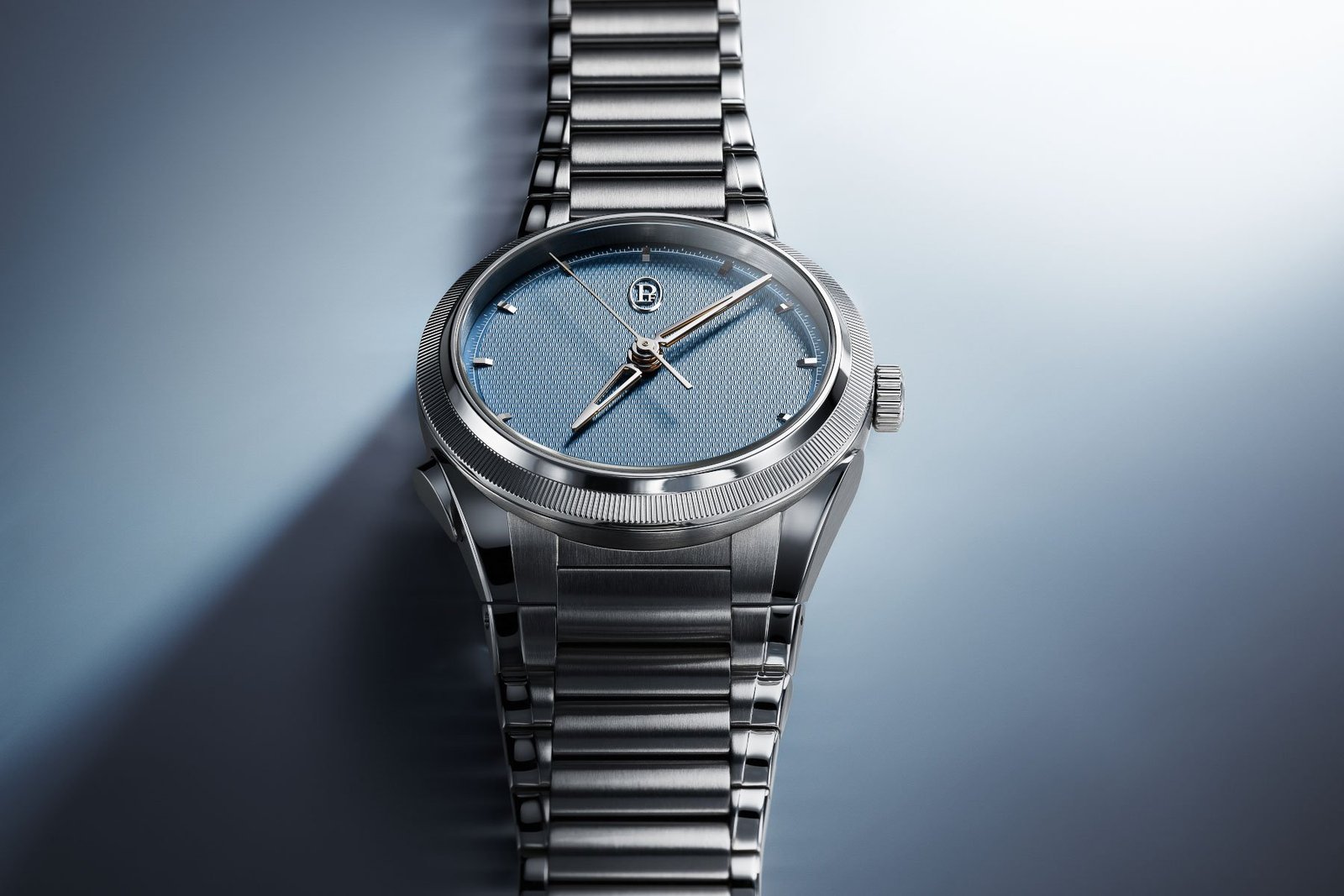
In a similar vein, the Parmigiani cleverly disguises its chronograph mechanism beneath the central timekeeping hands. Fratello editor Thomas Stover first proposed this concept years ago; it’s gratifying to see such an idea come to fruition in a production model. This raises an intriguing question about the clientele: do all owners fully understand the complexities in their timepieces? Surprisingly, some collectors have admitted to not knowing that their watches require daily winding.


H. Moser & Cie. Endeavour Perpetual Calendar Concept Tantalum vs. Parmigiani Fleurier Tonda PF Chronographe Mystérieux
With this context, the matchup becomes even more compelling. These watches reward those who understand their subtleties. So, let’s turn the spotlight over to our writers as they champion their respective picks in this thrilling duel.
Reflecting on Last Week’s Showdown
Last week, we featured two integrated-bracelet watches in a showdown of perpetual calendars. The IWC Ingenieur Perpetual Calendar 41 faced off against the Jaeger-LeCoultre Master Control Chronometre, and the results were telling.
With 74% of the votes, the JLC claimed victory, a predictable outcome considering the strong appeal of the Master Control Chronometre and its position within Jaeger-LeCoultre’s lineup.
The Master Control strikes the perfect balance with its classic design, fantastic proportions, and broad appeal. The watch community has welcomed it with open arms. However, long-term success will hinge on robust sales performance. For a brand as esteemed as Jaeger-LeCoultre, we hope for its continued success.
Exploring Today’s Contenders
Let’s see how our featured timepieces fare against each other. 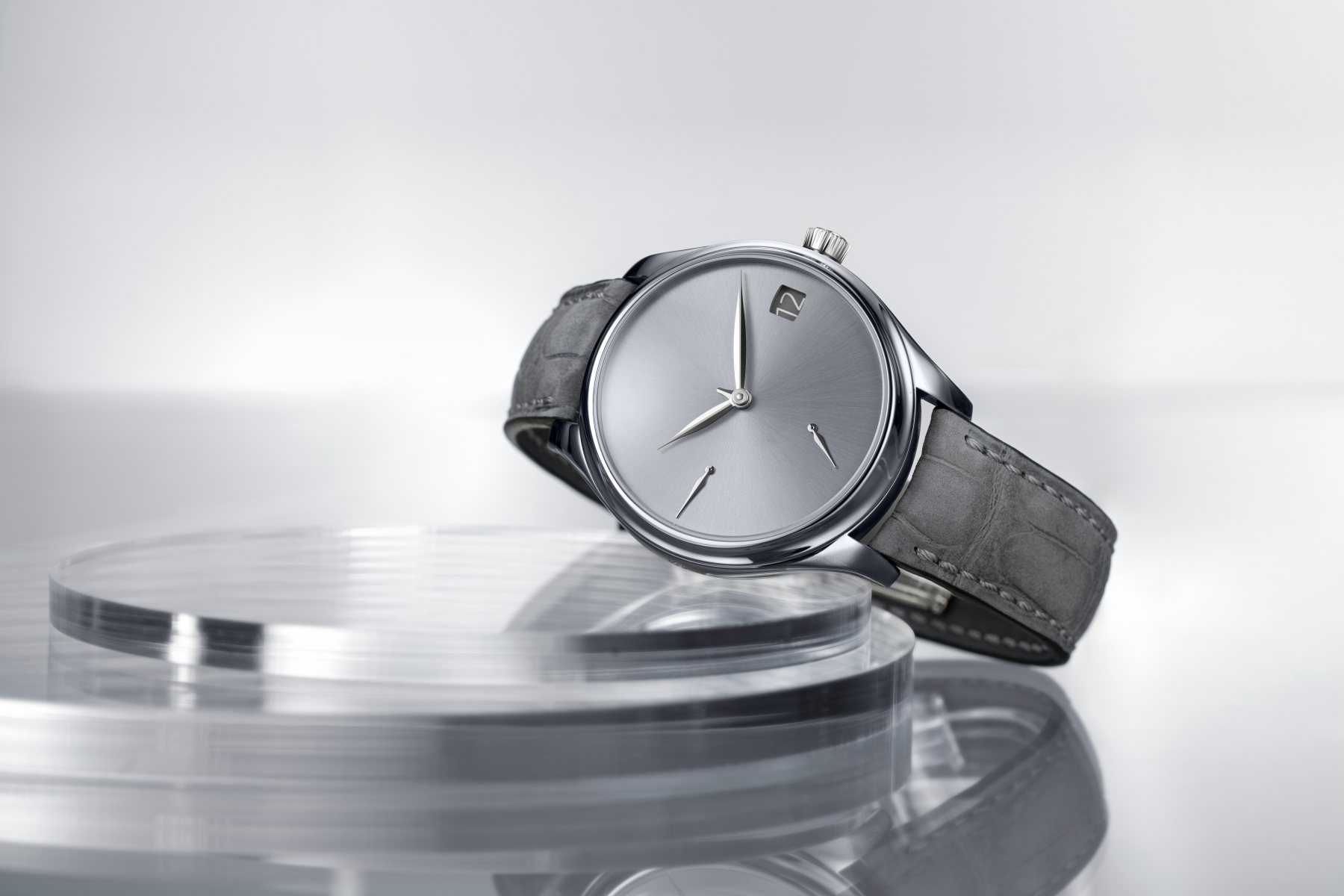
Ben: Advocating for H. Moser & Cie. Endeavour Perpetual Calendar Concept Tantalum
I suspect my choice today might be the underdog. H. Moser & Cie. has cultivated a reputation for innovation, and this design truly resonates with me. A perpetual calendar that emphasizes the date feels refreshingly original.
While the watch does have a month indicator, its subtlety allows the date to dominate the dial. In daily life, we tend to prioritize the date, often forgetting the month and day. I find myself looking at my watch for the date even while writing this piece! A successful watch design is all about functionality, and Moser nailed that.
With a perpetual calendar mechanism working behind the scenes, this watch automatically takes care of month lengths and leap years. It might seem superfluous for such a minimal display, but why compromise? Moser’s stripped-back dial embodies pure minimalism.
Setting It Right
For accurate time syncing, the best strategy is to wait until midday, align the hands, and observe the date change. If it doesn’t shift, you’ve done it right! Once aligned, everything moves in sync — it feels both straightforward and gratifying.
You must keep the watch wound since it features a manual movement. The seven-day power reserve gives you ample time between winds. I suggest monitoring the hand near the 10 o’clock mark to gauge winding needs. A drop toward 8 signals that it’s time to wind up. The running seconds at 6 o’clock also facilitates precise time adjustment.
The Moser doesn’t compromise on features. The case and bezel are crafted from tantalum, a rare metal that’s incredibly difficult to work with but offers exceptional results. Tantalum’s blue-gray tone adds a unique character that distinguishes it from more common materials.
Ultimately, Moser’s design philosophy shines through the seamless flow from its sculpted case to the crafted dial, exuding a subtle elegance on the wrist.
Why Parmigiani Has Its Drawbacks
In comparison, the Parmigiani lacks the same level of cohesion. While its hidden chronograph mechanism is clever, the Tonda PF case feels more complex and busy than the serene Moser. This restraint in design allows for a delightful surprise when users discover its hidden capabilities. Now, let’s hear Mike’s arguments for his pick.
Mike: Championing Parmigiani Fleurier Tonda PF Chronographe Mystérieux
Instead of my usual rival, Jorg, it’s a British showdown with my mate Ben. Even though today’s face-off is slightly uneven in pricing, both timepieces are captivating in their own right. Ben has made a strong case for the Moser, but I’ve chosen to represent the Parmigiani.
The Charm of the Tonda PF Chronographe Mystérieux
I’ve always been a fan of Parmigiani Fleurier; for me, the brand can do no wrong. Their use of color, meticulous designs, and excellent finish speak volumes. The Tonda PF Chronographe Mystérieux artfully showcases its complexity while maintaining an elegant appearance.
Instead of displaying its intricacies prominently, this watch opts for a sleeker look, resembling its simpler counterpart, the three-handed Tonda PF, when not in use. The chronograph is engaged using a monopusher on the left side of the case, sending the three rhodium-plated hands to 12 and commencing timing. In their absence, two skeletonized rose gold hands emerge to indicate the current time.
This approach feels refreshingly elegant and simple, steering clear of unnecessary complications. It’s a watch that intrigues while maintaining a sense of sophistication — perfect for my dad, who has softened his stance on chronographs yet appreciates a clean display. I can easily see others who desire a watch equipped with hidden superpowers enjoying this piece.
An Unmatched Design
While I acknowledge Ben’s points about Moser’s design, nothing beats the feel of the Parmigiani. The silky smoothness of its bracelet is unmatched. The reeded platinum bezel reflects light beautifully against the stainless case, while the hand-crafted guilloché dial is simply stunning.
Exceptional Movements
Parmigiani, in partnership with Vaucher Manufacture Fleurier, offers exquisite movements. The automatic PF053, with its column-wheel mechanism, features a 22K gold rotor and boasts a 60-hour power reserve. While I’m a fan of manual-winding movements, the reliability of the PF053 aligns perfectly with the philosophy of the Tonda PF line.
Time to Choose
Ultimately, you can’t go wrong with either choice. The H. Moser & Cie. Endeavour Perpetual Calendar Concept Tantalum and the Parmigiani Fleurier Tonda PF Chronographe Mystérieux each possess their own charm, cleverly obscuring their capabilities. So, which will you choose? Share your thoughts with us, and remember to look beyond pricing when casting your vote!
H. Moser & Cie. Endeavour Perpetual Calendar Concept Tantalum vs. Parmigiani Fleurier Tonda PF Chronographe Mystérieux