
Supersonic Legends: A Journey Through the Stratosphere of Aviation Excellence
Within the realm of aviation history, certain aircraft stand as towering achievements—beacons of human ingenuity that flirt with the very bounds of speed and endurance. As we traverse this sophisticated landscape, we pay homage to those extraordinary flying machines that not only broke the sound barrier but redefined our perception of possibility.
Douglas DC-8: A Sudden Leap into the Supersonic
In a remarkable display of engineering prowess, the iconic Douglas DC-8, a quad-engined narrowbody airliner introduced in the 1950s, made its mark within this elite echelon. While it may not have been designed for supersonic speeds, during a meticulously orchestrated dive in August 1961, a DC-8-43 soared to Mach 1.012, capturing the essence of human aspiration and innovation.
As the first commercial aircraft to breach the sound barrier—if only for a fleeting sixteen seconds—the DC-8 stood as a monumental leap, gleaning crucial data on aerodynamics. With a cruise speed that gracefully aligned around Mach 0.82, this aircraft did not simply fly; it danced through the skies, bridging the realms of the ordinary and the extraordinary.
Rockwell B-1B Lancer: The Pinnacle of Strategic Supersonic Engineering
Amidst the throes of the Cold War, the Rockwell B-1B Lancer emerged as a trailblazer designed to evade enemy radar while harnessing the raw power of supersonic speed. Originally conceived as the B-1A, it metamorphosed into its current form, boasting a maximum speed of Mach 1.25. With a silhouette that evokes a sense of unyielding strength and sophistication, the B-1B melds technological prowess with strategic necessity.
It remains a cornerstone of modern military aviation, expected to extend its legacy into the 2030s as the lone supersonic bomber of its kind, navigating the complex theater of contemporary warfare.
Sud Aviation/BAC Concorde: The Quintessential Symbol of Supersonic Travel
The Concorde, conjured from the ambitious minds of Anglo-French engineers, remains the unparalleled icon of supersonic travel. It operated on the fine line between luxury and physics, reigning over the skies with its astonishing maximum speed of Mach 2.04 from 1976 until its retirement in 2003. With only fourteen operational units ever produced, the Concorde embodied a spirit of collaboration and competition, rooted in the geopolitical aspirations of its time.
Though commercial viability proved elusive, the supersonic jet forged pathways for European cooperation in aerospace engineering, leaving an indelible legacy that resonates even today, paving the way for future endeavors in supersonic travel.
Tupolev Tu-160: Brute Force Redefined
Venturing into the realm of strategic bombers, the Tupolev Tu-160, affectionately dubbed the Blackjack, commands respect as the largest bomber in service today. Designed amid the tumult of the late Soviet era, this majestic aircraft once epitomized the cutting-edge of military aviation, gripping the mantle of speed with its Mach 2.05 capabilities.
Intricate in its design, the Tu-160 was more than a mere flying fortress; it bespoke an era marked by ambitious aspirations. Today, it fulfills a dual role—preserving tradition while embracing modernity—adapting to the evolving landscape of military aviation.
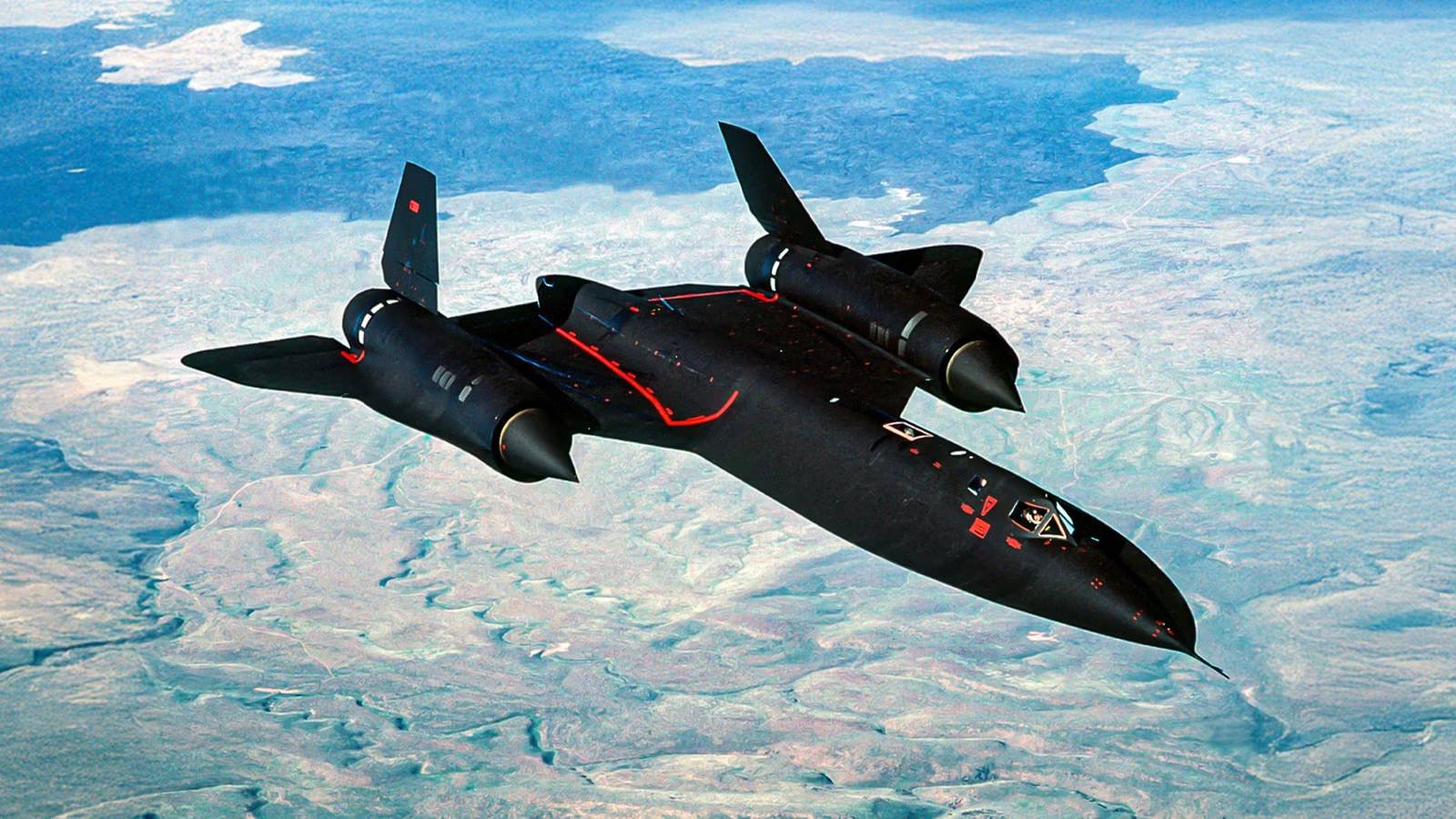
Lockheed SR-71: The Legend of Spears and Shadows
Standing among the most storied aircraft ever created, the Lockheed SR-71 Blackbird redefined the boundaries of speed with its astonishing Mach 3.3. Born from necessity during the Cold War, it ascended to astronomical altitudes and challenged our very understanding of aerodynamics. Its sleek, predator-like silhouette gliding through the heavens remains a hallmark of excellence in engineering.
Though ultimately retired, the SR-71’s legacy is enshrined in the annals of aviation history, representing the peak of Cold War ingenuity and a testament to humanity’s unyielding quest for knowledge.
North American X-15: The Edge of Space
The North American X-15 encapsulates the zenith of supersonic exploration, pushing humanity’s limits far beyond earthly bounds. With a spectacular record of Mach 6.7, it remains the sole manned aircraft to achieve hypersonic speed—a realm where few dare to tread.
A unique blend of rocket and aircraft, the X-15’s audacious missions helped illuminate the path to both space exploration and the coming horizons of supersonic travel. It stands not only as a testament to mastery over the skies but also as a symbol of humanity’s relentless pursuit of the unknown.
As we reflect on these remarkable achievements, we revere not just the engineering marvels but the tenacious spirit of those who dared to dream big. Each aircraft encapsulates a story of innovation, challenge, and triumph; a journey woven into the very fabric of aerial exploration that continues to inspire generations in the ever-evolving narrative of flight.