
Discovering Airborne Elegance: The Boeing 787 Dreamliner’s Revolutionary Cabin Comfort
For decades, the realm of commercial aviation operated under the well-trodden path of bleed air systems, drawing pressurized air directly from the engines to nurture the cabin environment. This method, though effective throughout the years, revealed its limitations—particularly regarding efficiency, complexity, and passenger comfort. Enter the Boeing 787 Dreamliner, a veritable marvel born of innovation and visionary engineering, redefining the way cabin air is sourced, maintained, and delivered.
Indulging in the sumptuous atmosphere on board the Dreamliner is not merely a sensory delight; it is a harmonious blend of pioneering technologies that elevate passenger experience to unparalleled heights. The distinct system at the heart of this sophisticated aircraft enhances both comfort and ecological sustainability, particularly during those ultra-long-haul journeys that traverse the globe, such as the enchanting route from Los Angeles International Airport to the serene shores of Sydney Airport, or the timeless connection between London Heathrow and the vibrant landscapes of Perth Airport.
A Breath of Fresh Air
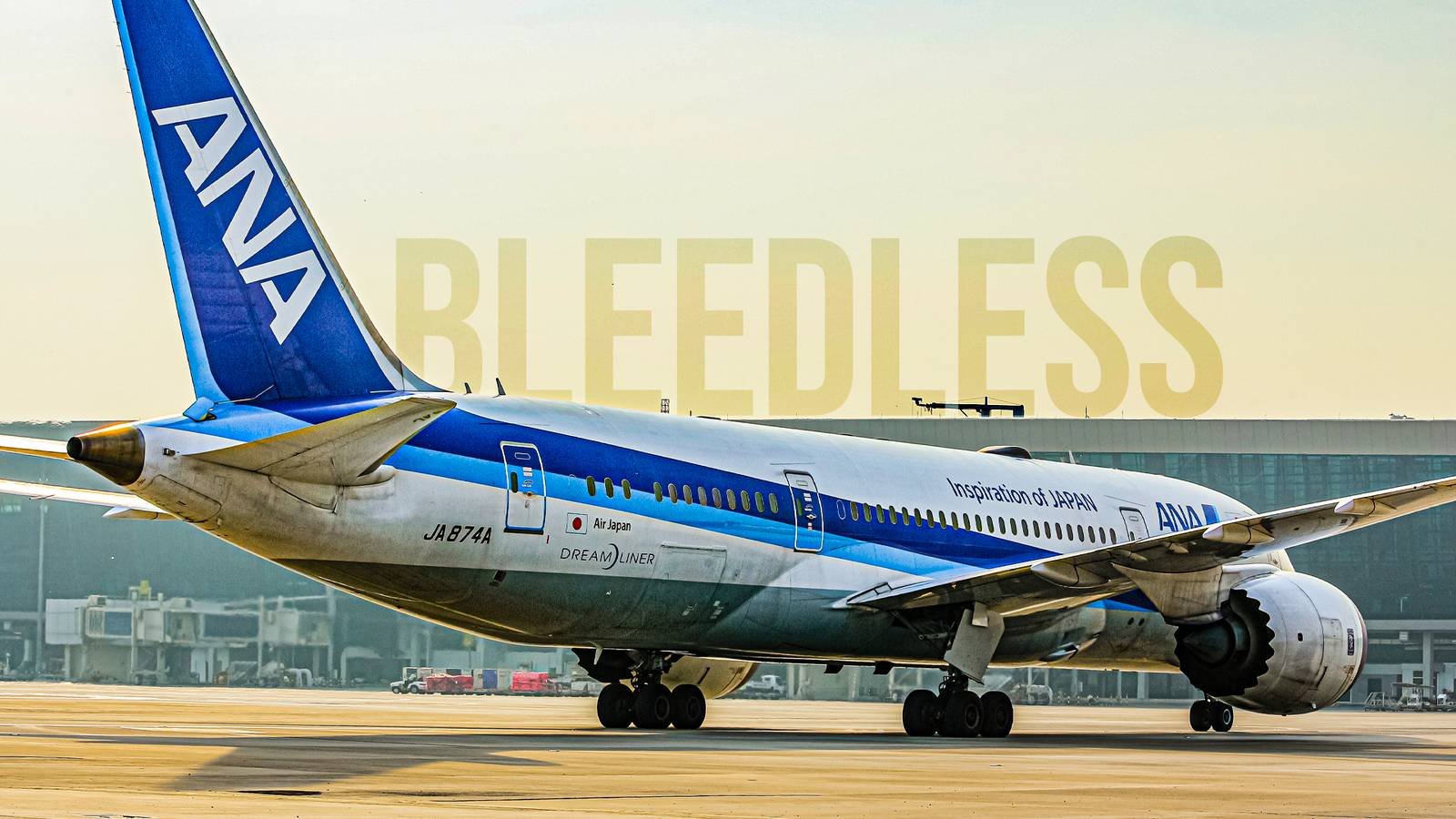
Where traditional aircraft such as the Boeing 777 or Airbus A350 rely on the conventional bleed air system, the Boeing 787 boldly ventures into uncharted territory. It ingeniously draws fresh air directly from the atmosphere outside, utilizing dedicated intake inlets artfully positioned ahead of the wings. This fresh airflow bypasses the engines entirely, instead flowing to electric compressors that pressurize it—inviting not only crispness but also a refreshing embrace of comfort within the cabin. Such a seamless, bleedless approach signifies a profound advancement in aircraft design, integrating effortlessly with the aircraft’s electrical generation system, ensuring there is an abundance of electricity to power these essential compressors.
With this revolutionary change comes an array of meaningful advantages. The elimination of bleed air substantially lessens engine load, liberating power for thrust generation while simultaneously enhancing fuel efficiency by an impressive twenty percent compared to older models. Furthermore, it results in a streamlined maintenance profile, reducing potential points of failure, and creating a lighter craft, all contributing to unparalleled operational efficiencies.
Breathing Comfort
Beyond technical specifications, one must consider the profound effects on passenger well-being. The Boeing 787’s innovative design permits the maintenance of a cabin altitude that resonates more closely with the physiological comfort of the human body—around 6,000 feet, in contrast to the traditional 8,000 feet typical of other aircraft. This atmospheric elevation renders the air richer in oxygen, effectively combating fatigue especially during those lengthy intercontinental flights undertaken by discerning global travelers.
Moreover, the incorporation of a bleedless system allows for enhanced management of humidity and air purity. Passengers revel in the elevated atmospheric quality, which fluctuates harmoniously with the external environment, creating a refined atmosphere that feels perpetually fresh—appeasing the senses every two to three minutes. This sensory rejuvenation is especially pronounced during extensive voyages, allowing one to traverse time zones with a certain grace that is all too rare in modern air travel.
Precision-Engineered Atmosphere
Embracing an electrified system empowers the 787 to fine-tune the cabin environment with unrivaled accuracy. The air drawn from outside undergoes meticulous scrutiny through heat exchangers and cooling packs, calibrated to provide an atmosphere akin to opulence. While a remnant of bleed air is employed for ancillary functionalities, the essence of cabin pressurization and climate control lies in the elevation of electrical systems over conventional hydraulic or pneumatic solutions—a showcase of Boeing’s forward-thinking philosophy.
Crucially, the 787’s design directly addresses concerns surrounding cabin air contamination—an issue that’s been highlighted throughout aviation discourse. With the elimination of the between-the-engines bleed air system, the cabin air supply is not only devoid of potential impurities but is also consistently filtered and conditioned before it gently envelops the passengers, ensuring a serene cabin environment conducive to relaxation or productivity.
The Dreamliner’s Afterglow
Lauded for its transformative impact, the Boeing 787 Dreamliner has become the most commercially successful widebody aircraft in history, captivating the hearts of countless airlines and passengers alike. Boasting over 1,200 units delivered since its debut, it marks a new epoch in aviation—a finely tailored masterpiece that melds artistry and technology.
Whether disembarking in bustling metropolitan hubs or serene coastal escapes, the Dreamliner promises not merely a journey, but an experience that redefines the paradigms of luxury travel. As aviation continues to evolve, so too does the spirit of the Boeing 787, casting a radiant glow of innovation in a realm where elegance meets engineering prowess at 30,000 feet and beyond.