
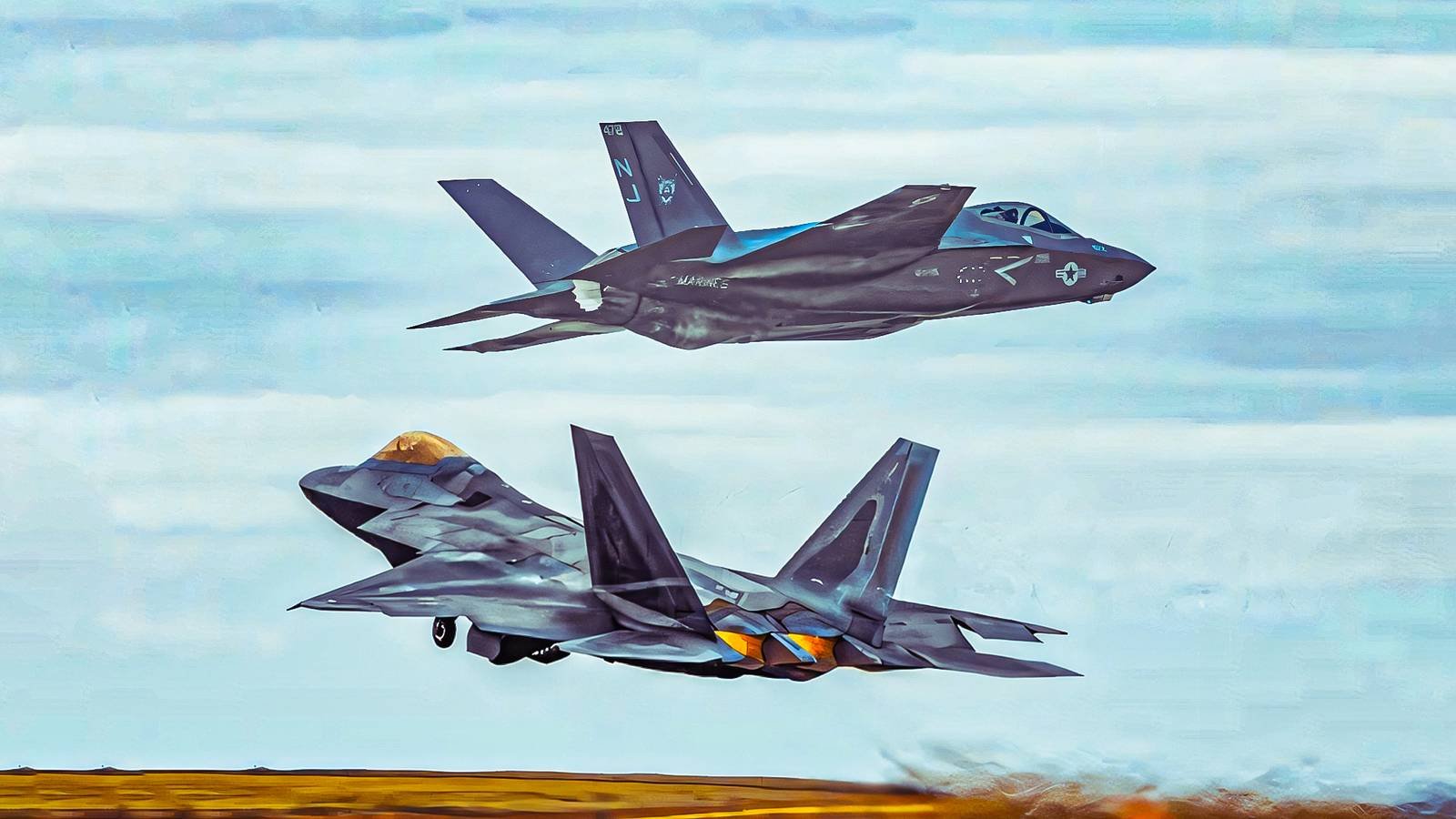
The Pinnacle of Aerial Mastery: F-22 Raptor vs. F-35 Lightning II
At the dawn of the 21st century, as the skies above the United Arab Emirates shimmer with the promise of innovation and engineering excellence, two titans of the aviation world command the airspace: the F-22 Raptor and its sibling, the F-35 Lightning II. Both masterpieces carved from the meticulous craftsmanship of Lockheed Martin present an alluring façade—sleek, stealthy, and dripping with modern sophistication. However, beneath this polished exterior lies a duality in purpose and design that pilots experience the moment they ascend into the cockpit.
The allure of flight beckons as we dive into the heart of these formidable machines, illuminating their cockpit designs, control philosophies, and advanced technologies—ultimately unearthing what sets them apart. Whether you are an aviation enthusiast, a seasoned pilot, or merely intrigued by the artistry of modern air combat, join us as we ascend into the realm of the extraordinary.
Two Fifth-Generation Fighters, Two Distinct Philosophies
At first glance, the F-22 Raptor and F-35 Lightning II resemble more than mere competitors; they are akin to cousins with distinctly unique legacies. The Raptor stands proud as an air superiority fighter, a bred warrior forged from the fires of the United States Air Force’s Advanced Tactical Fighter program of the 1980s. With a design emphasizing speed, agility, and stealth, it commands the skies, optimized for intense air engagements where precision dominates.
In contrast, the F-35 Lightning II redefines the modern battlefield through its multirole versatility, encompassing myriad functions—from ground strikes to air-to-air combat. Its embracement of sensor fusion allows it to weave a comprehensive tapestry of data, functioning as a networked combat node that transforms strategic maneuvers.
The divergence in their operational philosophies is poignantly reflected in their cockpit designs, luring pilots to explore not just interfaces, but experiences crafted around the very art of aerial warfare.
Cockpit Designs: Tradition Meets Next-Gen Integration
Upon entry into the cockpit, pilots are greeted with a striking aesthetic, one that echoes the essence of traditional flying with a touch of avant-garde innovation.
In the F-22 cockpit, the allure lies in its familiarity—a polished glass interface that has been the gold standard since its inception. The vibrant multifunction displays proffer a symphony of information—airspeed, altitude, and tactical maps are brightly illuminated, while the extensive head-up display projects a wealth of crucial flight data. Yet, within this striking arrangement, every element prompts a tactile response from the pilot, whose engagement remains essential.
On the other hand, the F-35 cockpit breaks free from convention. A breathtaking panoramic touchscreen display commands attention, offering an unparalleled level of customization, while the absence of a traditional HUD in favor of a Helmet Mounted Display System signifies a monumental shift in how information is delivered and engaged with. This headgear overlays critical data directly onto the visor, transforming the pilot’s field of view into an interactive battlefield panorama.
The F-22: Pilot Authority Through Precise Controls
As pilots settle into the F-22 cockpit, they quickly become aware of what sets this beast apart: the emphasis on tactile control and seamless integration. Utilizing a Hands-On Throttle and Stick (HOTAS) configuration, the pilot’s hands remain firmly anchored, allowing for instantaneous management of radar and targeting without disrupting the fluidity of flight. The tactile interface melds instinctively into the pilot’s routine, sculpting an elegant landscape where experience translates into raw aerial prowess.
The F-35: Data Fusion and Situational Awareness Redefined
In stark contrast, the F-35 cockpit aims to redefine the engagement experience through sophisticated data amalgamation. Instead of maintaining a constant manual focus on multiple displays, pilots can equip their mental frameworks for a higher tactics-focused methodology. Gaze fixation directly links to weapon systems, resulting in instantaneous target designation—allowing engagements that once seemed the stuff of science fiction.
The size and scope of the F-35’s capabilities extend far beyond those of its predecessor. With advanced voice recognition and touchscreen technology, pilots navigate a rich tapestry of data without the constraints of traditional interfaces—embracing the future of aerial warfare.
VTOL: The F-35B’s Unique Game-Changer
Adding to the F-35’s allure is the magnificent vertical landing capability afforded by the F-35B variant. Unlike the F-22, the Lightning II can operate from short runways or even the decks of naval vessels, showcasing its versatility as a powerful asset in modern combat scenarios.
This development channels the revolutionary spirit of earlier technologies like the Harrier, harmonizing the grace of vertical flight with the ferocity and stealth of a modern fighter jet. It exemplifies not just technological evolution, but the very ethos of adaptability that marks the new millennium’s approach to aerial warfare.
Two Fighter Cockpits, Two Combat Mindsets
In essence, the F-22 embodies a fighter’s intrinsic mastery of flight dynamics, fostering a deep-rooted sense of control and instinct, while the F-35 symbolizes an era of digital sophistication and integrated awareness. Both serve to keep the pilot at the nucleus of the burgeoning complexity of combat, whether that manifests through classic tactile engagement or cutting-edge immersive visual aids.
As we traverse this breathtaking landscape of aviation marvels, we recognize that within the rivalry exists an exploration of the art and science of flight—a celebration of human ingenuity that continues to redefine what it means to roam the skies.