
The Majestic Evolution of the Airbus A350-1000: A Journey Beyond the Skies
In the realm of aviation, where artistry intertwines with mechanics, the Airbus A350-900 and its imposing sibling, the A350-1000, emerge not merely as aircraft, but as titans of design and innovation. At first glance, they may seem like identical twins caught in divergent growth. However, for those with an eye for detail—the aviation engineers and passionate planespotters—the essence of their evolution is captured in the intricate architecture beneath the wings, a narrative woven through years of meticulous craftsmanship.
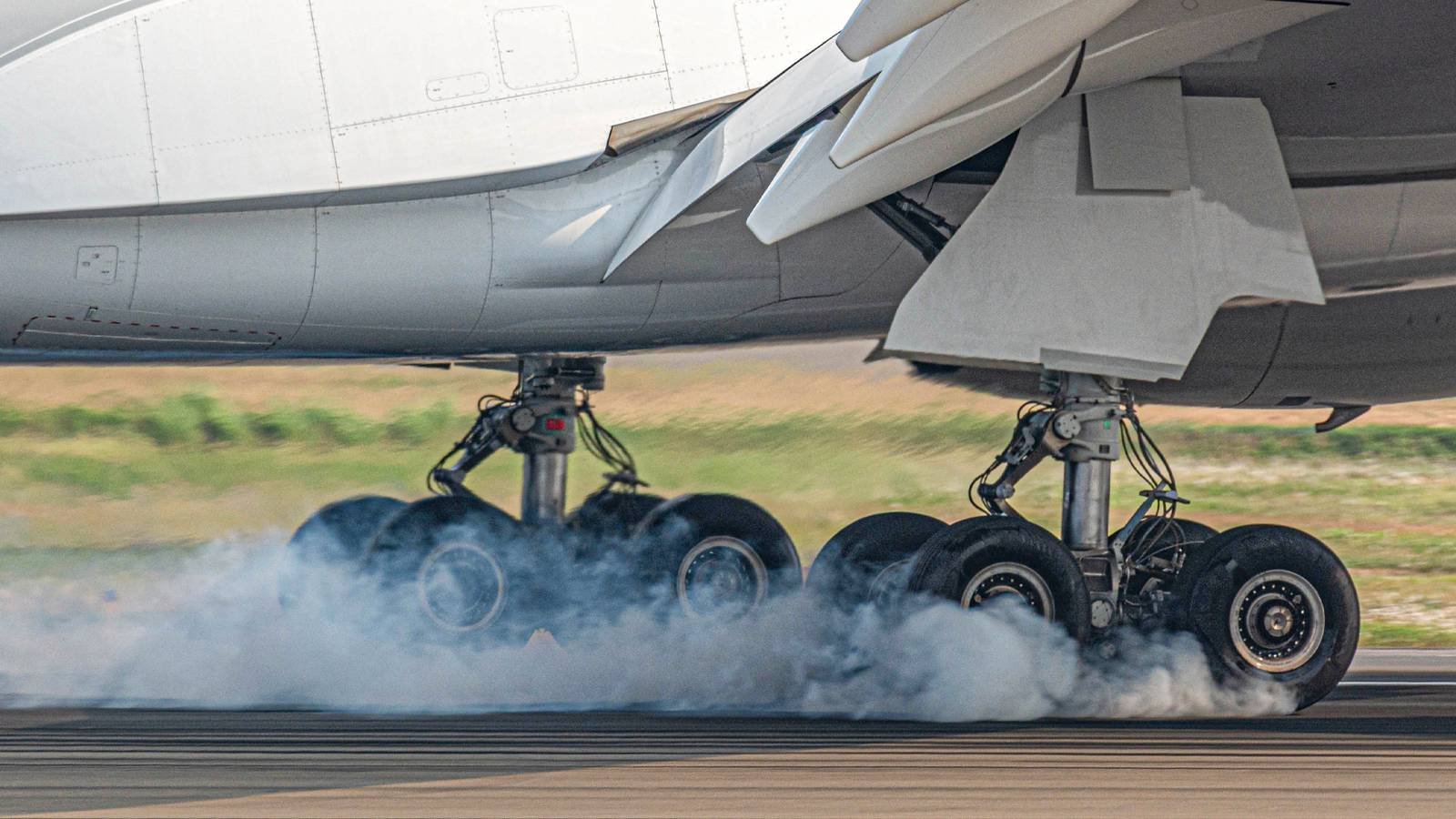
Both models boast the striking aesthetics of the traditional bandit mask cockpit, defined by graceful carbon-fiber curves that embody modern elegance. Yet, it is beneath the surface that the story takes a transformative turn. The A350-900, with its standard four-wheel main landing gear, stands in stark contrast to the robust six-wheel configuration of the A350-1000— a brilliant adaptation necessitated by the demands of weight, physics, and the very infrastructure of the airports they grace.
The Science of Strength: Insights Into the A350-1000’s Structure
A closer examination of the A350-1000 unveils a robust engineering masterpiece, designed not just as an incremental enhancement but as a comprehensive evolution of the original platform. To rival the renowned Boeing 777-300ER, Airbus embarked on the challenge of not simply augmenting payload and fuel capacity but redefining the very foundation of long-haul aviation. From the intricately designed struts crafted by Safran to the harmonious interaction of its wheels with the tarmac during a high-speed touchdown, the transition from four to six wheels is a breathtaking illustration of modern aerospace ingenuity.
Maximizing Performance Through Architectural Brilliance
The A350-1000’s six-wheel configuration is not merely a stylistic change; it is a critical evolution responding to its staggering maximum takeoff weight of 322 tonnes. This extraordinary figure, akin to transporting eight fully grown elephants into the skies, necessitates a paradigm shift in how weight is distributed across the aircraft. In embracing this innovation, Airbus has ensured not only the safety and structural integrity of its creation but has also guaranteed its capability to traverse vast distances laden with passengers and fuel.
By incorporating a third axle into the main gear, the footprint pressure on each wheel is meticulously managed, preventing the risk of catastrophic failure upon landing. The A350-1000’s engines, the Rolls-Royce Trent XWB-97, deliver unparalleled thrust to elevate this additional weight into flight, creating unique torque and vibration dynamics that require a stable platform for acceleration.
Mastering Weight Distribution and Infrastructure Compatibility
Every journey begins with the careful orchestration of weight distribution. The critical reasons that guided the transition from four wheels to six wheels extend into the realm of infrastructure, where the pavement classification number determines the load-bearing capability of airport runways worldwide. The A350-1000’s six wheels artfully distribute its substantial mass to ensure structural integrity, allowing compatibility with older or secondary airports that may not boast the ultra-reinforced concrete of premier hubs like London Heathrow or Tokyo Haneda.
In a masterstroke of engineering, the sophisticated six-wheel system allows the A350-1000 to maintain elegance and grace on diverse runways while enhancing braking capability and heat dissipation. When this remarkable aircraft descends from heights, the kinetic energy generated during the landing phase transforms into heat, which the six-wheel gear ingeniously distributes across twelve carbon brake disks. The result? An aircraft that not only stops more efficiently but possesses quicker cooling times, essential for maintaining seamless operational flow at bustling airport gates.
Ensuring Safety and Performance in Every Landing
The wave of innovation doesn’t cease upon landing; it continues to redefine the very nuances of flight behavior. The transition to a six-wheel gear engenders a distinctive change in flare and touchdown characteristics. The three-axle configuration delivers an unparalleled cushion, dampening the forces of impact. This becomes critically advantageous during operations on shorter runways where precision is paramount.
Moreover, the A350-1000 elucidates a beautifully engineered harmony of control during high-speed rollouts, especially under challenging crosswind conditions, owing to the expansive grip provided by the twelve tires. Paired with an advanced brake-by-wire system, landings are marked by a level of smoothness and stability that is synonymous with the very fabric of luxury in air travel.
The Future: Setting New Standards in Aviation
As we gaze toward the horizon of aviation, the technological advancements encapsulated in the A350-1000’s design are merely the groundwork for future innovations. The airframe serves as a pivotal blueprint for the next-generation A350F, poised to revolutionize the global cargo market with its reinforced gear accommodating a remarkable payload. The future beckons with a promise of even smarter systems integrating innovative materials and enhancing performance while minimizing environmental impact.
In closing, the evolution from the A350-900 to the A350-1000 is a consummate narrative of purposeful engineering; one that bridges the gap between technical prowess and artistic elegance. As the A350 family continues to ascend, the six-wheel configuration is not merely a design choice but a commitment to the artistry of flight, continuing to elevate the standards of what is achievable in aviation.
In this ever-shifting landscape of luxury and precision, the Airbus A350-1000 stands tall among the stars—a vanguard of sophistication poised to ink the next chapters of aviation history.