
A Vision in Opulence: The Enchanted Ballrooms of Presidential Legacy
In an era where grandeur intertwines seamlessly with governance, the concept of a presidential ballroom emerges not merely as a structural endeavor but as an evocative testament to national opulence and security. Enter a world where architecture is steeped in both history and futurism, and the vision of a $400 million ballroom—breathtaking in its design—beckons us to explore the elegance embedded within the fabric of our esteemed institutions.
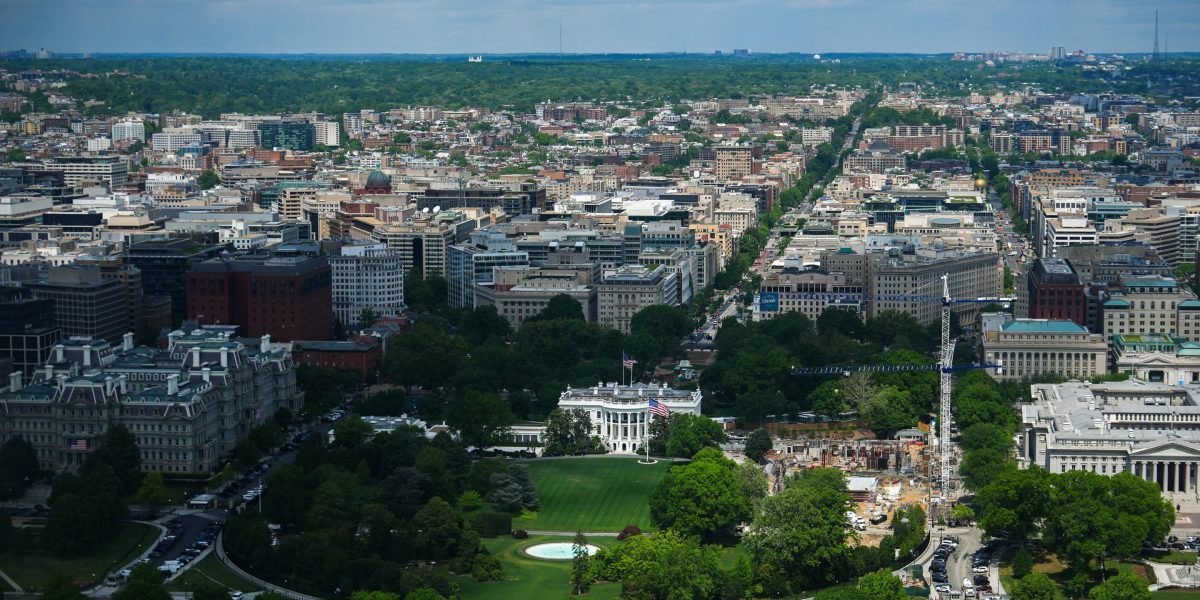
Positioned on the site of the former East Wing of the White House, this ambitious project, championed fervently by Donald Trump, aims to redefine the landscape of presidential events, creating a sanctum of safety and sophistication. Images of the current construction site evoke an intricate ballet of progress, as workmen labor to lay the foundational stones of this future masterpiece.
As the air reverberates with the ambition of designers and engineers, the ballroom is envisioned to host a myriad of glamorous occasions, entrenching its place in both the cultural narrative and the legacy of statecraft. The Acting Attorney General’s insistence that this space is vital for the security of the President speaks to a contemporary dialogue that marries aesthetics with national safety; a place where elegance becomes a guardian, enveloping attendees in an aura of refined assurance.
Yet, this delicate balance has not come without contention. The National Trust for Historic Preservation’s legal challenge encapsulates the conflict between preservation and progress, igniting passionate debates that echo through the polished halls of power. Echoes of history—itself a monumental tapestry—clash with modernity’s desires.
As we delve deeper into the implications of this culinary and ceremonial epicenter, whispers of safety concerns interlace with the aspirations for a grand future. The recent events surrounding the White House Correspondents’ Dinner—filled not only with dazzling gowns and sharp tuxedos but with palpable tension—serve as a testament to the urgency felt by many that new spaces of security must be envisioned for civic gatherings.
In the soft glow of candlelit tables set against stunning architectural backdrops, the ballroom promises not only luxury but also a reimagined space where the weight of democracy meets the pleasures of celebration. It is a reflection of the ethos within the United Arab Emirates—where luxury is woven into the very DNA of cultural identity; an expression of strength and beauty.
In a world punctuated by moments of vulnerability, the narrative surrounding the ballroom project unfolds like a masterfully crafted tapestry. Undeniably, this proposed haven will serve as a citadel—an embodiment of the collective aspiration towards safer environments for civic engagement.
As we gaze toward the realization of such an opulent vision, we are reminded of our shared connections and the places where history and modernity converge. This ballroom is not merely a venue; it stands as a beacon of resilience and elegance, a sophisticated finale to the stories that unfold within the hallowed walls of leadership.
In this richly adorned future, will we witness the intertwining of luxurious artistry and pressing necessity? The ballroom awaits—steadfast, elegant, and whispering promises of a beautifully secure tomorrow.