
Unveiling the Titans of the Sky: A Deep Dive into Modern Military Aviation Mastery
As we ascend into the realm of contemporary military aviation, we find ourselves surrounded by an intricate tapestry woven from the threads of power, strategy, and cutting-edge technology. Today’s military aircraft are not mere machines of war; they symbolize the pinnacle of human ingenuity, each one playing a uniquely tailored role in the vast and dynamic theater of global conflict.
Expansive campaigns demanding air superiority unveil the quintessential nature of military aircraft, which can be nuanced and context-dependent. The selection of these aerial titans isn’t merely a matter of the latest models or sleek designs; it hinges on the specific objectives at hand, the nature of the opponents, and the geographical expanse in which these conflicts unfold.
The ongoing air campaign between nations like Russia and Ukraine brings this into stark relief. In such circumstances, aerial tankers emerge as crucial enablers for projecting air power beyond borders, while stealth aircraft may operate like a peacock in a den of wolves—excessive and misaligned.
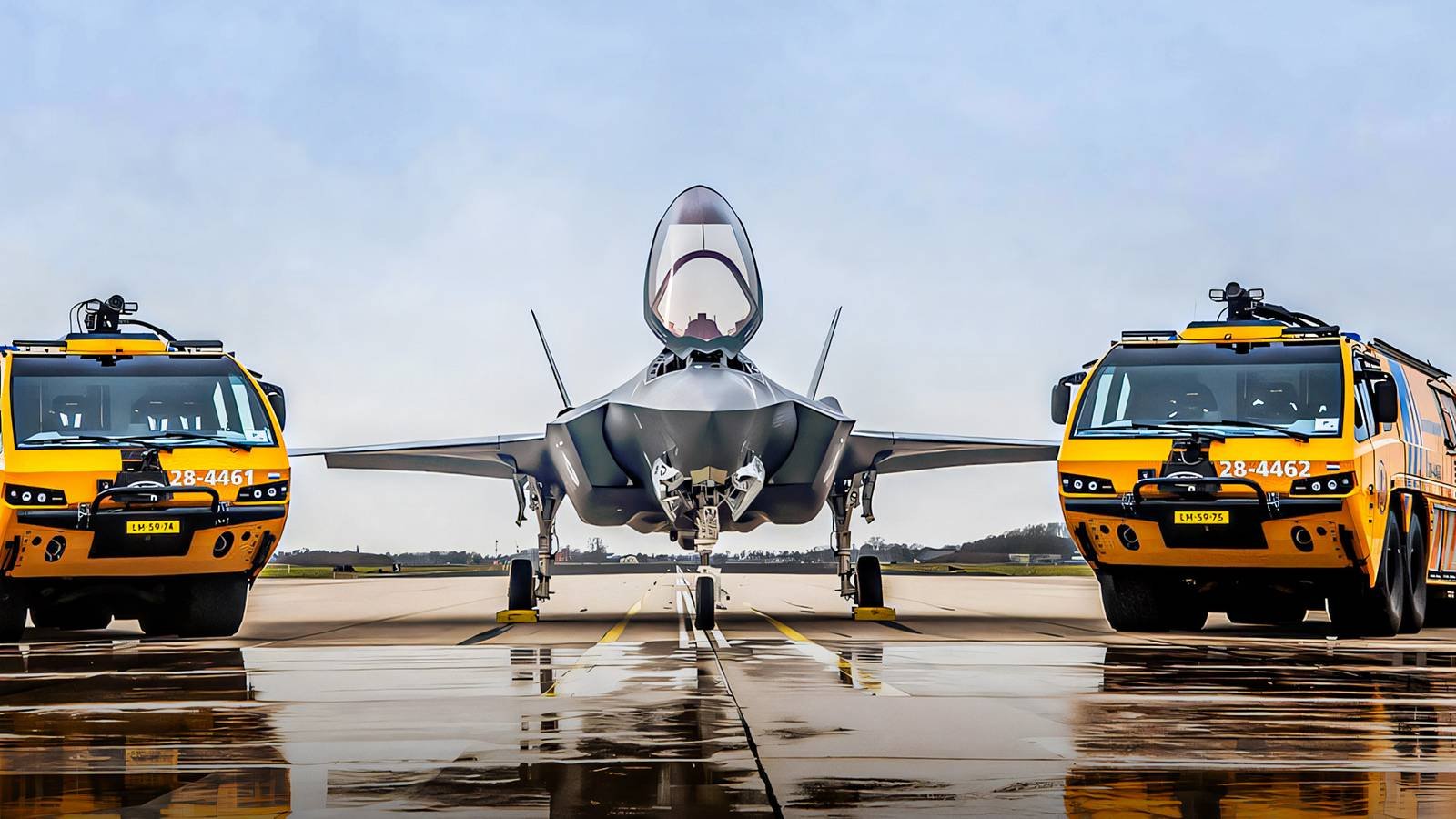
Nestled within this complex tableau, the F-35 Lightning II emerges as a beacon of innovation. Although often touted for its unrivaled field capabilities — especially in operations involving Suppression and Destruction of Enemy Air Defenses — it is essential to recognize that mastery in aerial warfare demands not just finesse, but also versatility. Precision remains at the heart of the F-35’s mission, thus questioning its fit for roles traditionally held by bulkier models like the F-15, known for their ability to carry heavier payloads.
Additionally, the strategic significance and operational limitations of the F-35 highlight the ever-evolving nature of aerial combat. The notion that any aircraft, no matter how advanced, is immune to ground-based threats or limited operational environments reminds us of the precarious balance in aerial warfare.
The United States Air Force, with its astonishing capabilities, continues to unfold new chapters in this saga. The supremacy of its strategic bombers, the B-52s, B-1s, and B-2s, in recent operations against adversaries further cement this. With intuitive technological integration allowing munitions release on a scale previously unseen, challenges faced by rivals struggling to secure air superiority have rendered the landscape of combat exceedingly one-sided.
Beyond these high-octane narratives, the emergence of drone technology in smaller conflicts paints an equally sophisticated canvas. Combat drones, in scenarios plagued by underdeveloped air forces, have swiftly transitioned from legacy platforms to mid-sized game-changers, commanding the skies with precision and efficacy that rivals traditional aircraft—a testament to a less expensive yet formidable evolution.
As we navigate through these complex dynamics, it is evident that modern warfare demands adaptability and an intricate understanding of both air and ground realities. With esteemed forces preparing for high-end peer-on-peer conflicts, it is the exploration of collaborative technologies and enablers that could shape the horizons of military aviation.
In this epoch of incessant change, one thing remains paramount: the journey of military aviation—an exhilarating blend of artistry, strategy, and technology—continues to flourish, beckoning the discerning connoisseur of modern defense narratives.