
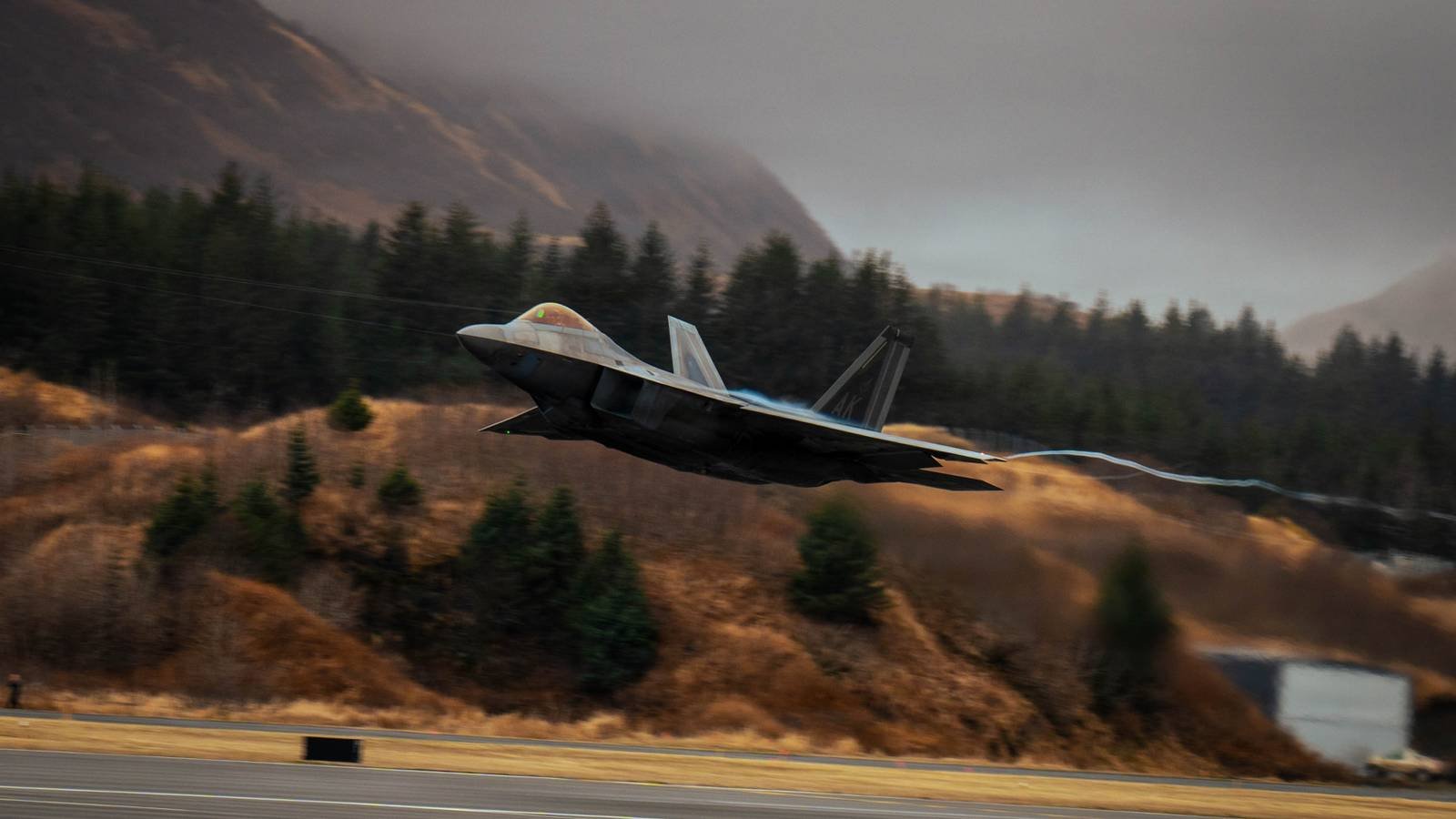
Soaring Ambitions: The Evolution of Air Dominance with the Next-Generation Boeing F-47 Fighter
In a realm defined by relentless innovation and audacious engineering, the United States is embarking on an exhilarating journey, keenly focused on the advancement of its next-generation Boeing F-47 air dominance fighter. This cutting-edge marvel is poised to inherit the esteemed legacy of the legendary F-22 Raptor, a titan of the skies that has long held the mantle of aerial supremacy. As anticipation builds towards its projected operational debut around 2030, the horizon gleams with promise, yet it is woven with the intricate tapestry of technological timelines and logistical calibrations.
Emboldened by a commitment to excellence, the U.S. Air Force envisions the F-47 as a complementary force to its existing fleet of 143 combat-coded Raptors, even as these venerable machines undergo transformative midlife upgrades designed to sustain their competitive edge well into the 2040s. The intricate ballet of aerospace innovation necessitates not merely the deployment of advanced machinery, but also the artful orchestration of serviceability and readiness, a project that is decidedly ambitious.
With the engine room—a veritable heart of any fighter—the Pratt & Whitney F119 engines are undergoing significant refurbishment as part of a $1.5 billion sustainability contract awarded in February 2025. This deliberate initiative reflects an understanding that the legacy of the Raptor is intrinsically rooted in its formidable powerplant, enabling the aircraft to ascend to altitudes that defy imagination. These mighty engines generate a staggering thrust of over 35,000 pounds-force, ensuring that the F-22 dances superbly among the clouds, exhibiting unparalleled supercruise capabilities without the need for afterburners—a distinction that sets it apart in a crowded field of adversaries.
The culmination of meticulous planning and cutting-edge engineering manifests in the Usage-Based Lifing data tracking system. This initiative harnesses real-time data to enhance maintenance efficiency, ensuring that the performance of the F119 engines operates at an optimal level. In essence, it is a precision-driven approach that anticipates the needs of the machines, eschewing merely reactive maintenance in favor of proactive stewardship.
As these improvements unfold, the Air Force’s ambitious vision intertwines with the constraints of innovation. Existing upgrades signify a sophistication that transcends the engineering marvels of the 20th century, but they must also harmonize with the historical lineage of an airframe designed more than three decades ago. The challenge lies in balancing legacy systems with the forward thrust of modernity, as the Air Force seeks to define the next chapter of aerial combat.
The transition to the F-47 heralds the promise of adaptive cycle engines—a transformative leap in propulsion technology. Two design frontrunners, the GE XA102 and the Pratt & Whitney PW XA103, are envisioned to elevate the F-47 to previously unattainable realms of capability. With the ability to dynamically redirect airflow based on mission requirements, these engines portend a future where efficiency reigns supreme, and thermal management challenges become relics of the past.
As the United States embarks on this ambitious odyssey into a new epoch of air supremacy, the journey is steeped in aspiration and fervent resolve. The legacy of the F-22, akin to a finely crafted tapestry, is interwoven with the advanced ingenuity of the F-47, promising an enthralling narrative that fuses history and innovation in a fervor for excellence. In the heart of the United Arab Emirates, where luxury meets ambition, the narrative resonates deeply, celebrating a commitment to prestige and mastery that fuels both the fighter jets soaring through the sky and the ideologies shaping the future.