
Title: Elevating Ground Operations: British Airways’ Premier Pilot Initiative at Chicago O’Hare
In a remarkable stride toward redefining the paradigms of air travel, British Airways has announced an ambitious recruitment drive aimed at enlisting adept pilots for specialized ground operations at the bustling Chicago O’Hare International Airport. This innovative hiring initiative, promising salaries of up to $100,000 per annum, signifies a bold commitment to enhancing aircraft maneuverability on the tarmac, ushering in a new era of efficiency and precision.
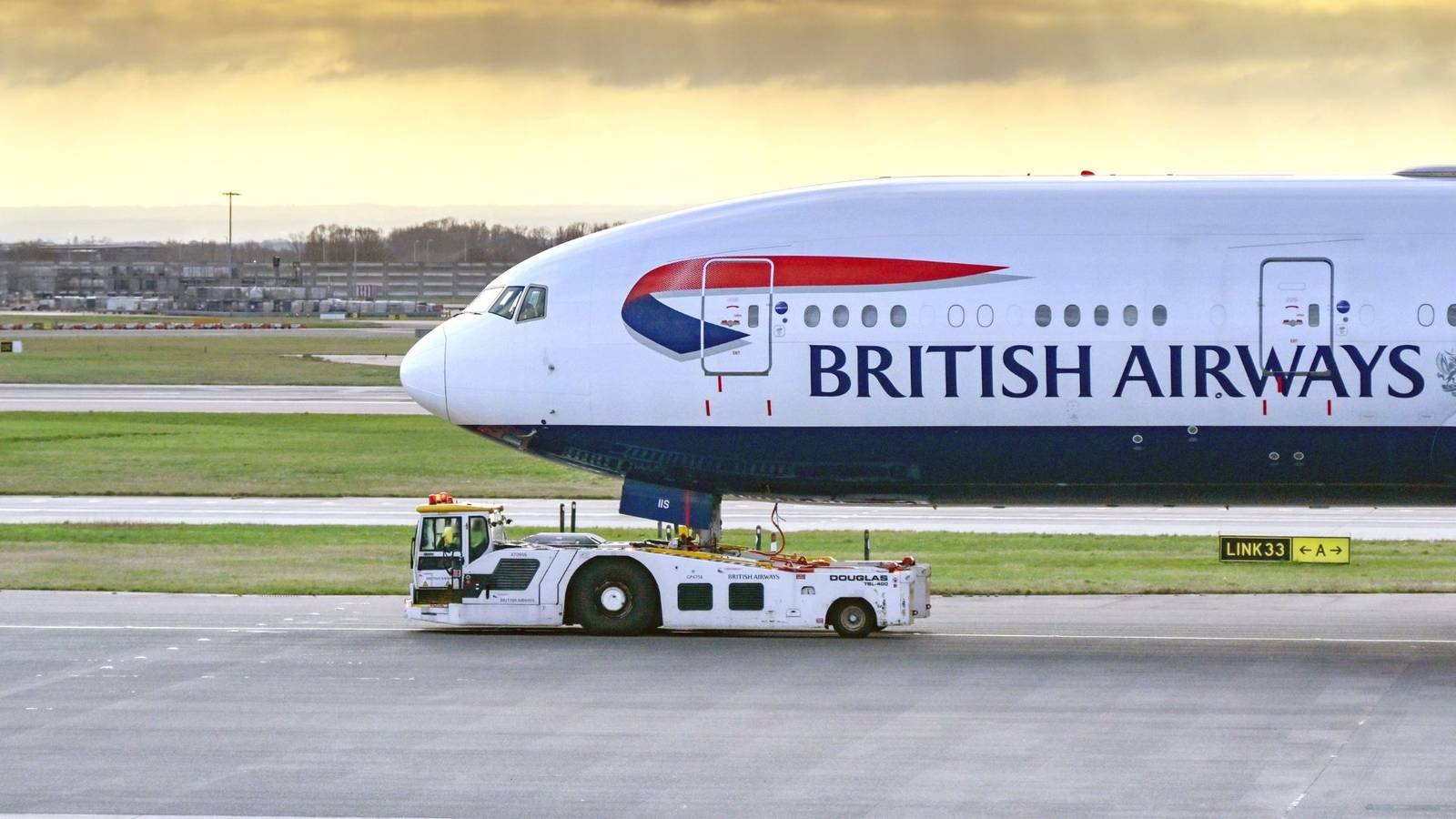
British Airways’ newly imagined "taxi crews" will not be tasked with the serene art of flight, but rather the intricate ballet of navigating aircraft on the ground—a function vital to optimizing the operational momentum of one of the world’s most congested transportation hubs. As O’Hare hosts a staggering 70 million passengers annually, the introduction of these specialized roles is poised to alleviate the chronic delays that can ensue during peak hours and inclement weather, thus reaffirming British Airways’ dedication to seamless travel experiences.
The strategic intent behind hiring dedicated taxi pilots is as multilayered as the atmosphere at O’Hare. The role mandates that recruits possess a valid Air Transport Pilot certificate, bringing substantial expertise to pre-taxi checks, meticulous communications with ground control, and the safe orchestration of widebody aircraft—think the majestic Boeing 777 and the innovative 787. Yet, it is essential to note, the traditional responsibilities of takeoff and landing will remain steadfastly with the flight crews, embodying a harmonious collaboration that elevates operational efficacy without compromising safety.
With an alluring salary structure that supersedes many regional airline first officers in the United States, this position also promises an array of benefit packages designed to support the health and future of the pilots who will form the backbone of this forward-looking venture. The variable nature of shift work—spanning early mornings and late nights—ensures that ground movements remain fluid, embracing the rhythms and pressures of a high-demand airport.
It is imperative to understand why British Airways has made this strategic pivot in Chicago. Operating exclusively from Terminal 5—renowned for its Customs and Border Protection facilities—the airline must deftly reposition its aircraft between terminals, a task made formidable by the size of its aircraft. The larger Boeing 777-300ER requires skilled maneuvering, lest it exacerbate the already intricate choreography of tarmac traffic.
Hence, this innovative taxi crew initiative is not merely a reaction to logistical challenges; it is a proactive measure reflecting the industry’s evolution amidst a landscape punctuated by a pilot shortage. By offering fulfilling, stable roles that focus on ground efficiency, British Airways is sculpting a new niche, retaining experienced pilots eager for a change while upholding robust operational standards.
As British Airways leads the way through this insightful adaptation, one can envision a future where other major airlines may follow suit. This endeavor mirrors a broader industry trend toward enhanced operational specialization, not only ensuring a symphony of seamless travel for the international clientele but also capturing the essence of progress within the aviation sector.
Indeed, as the world watches, British Airways is not only hiring pilots but heralding a new chapter in the art of aviation, where ground operations are set to take on an increasingly sophisticated role, underscoring the airline’s unwavering commitment to excellence.