
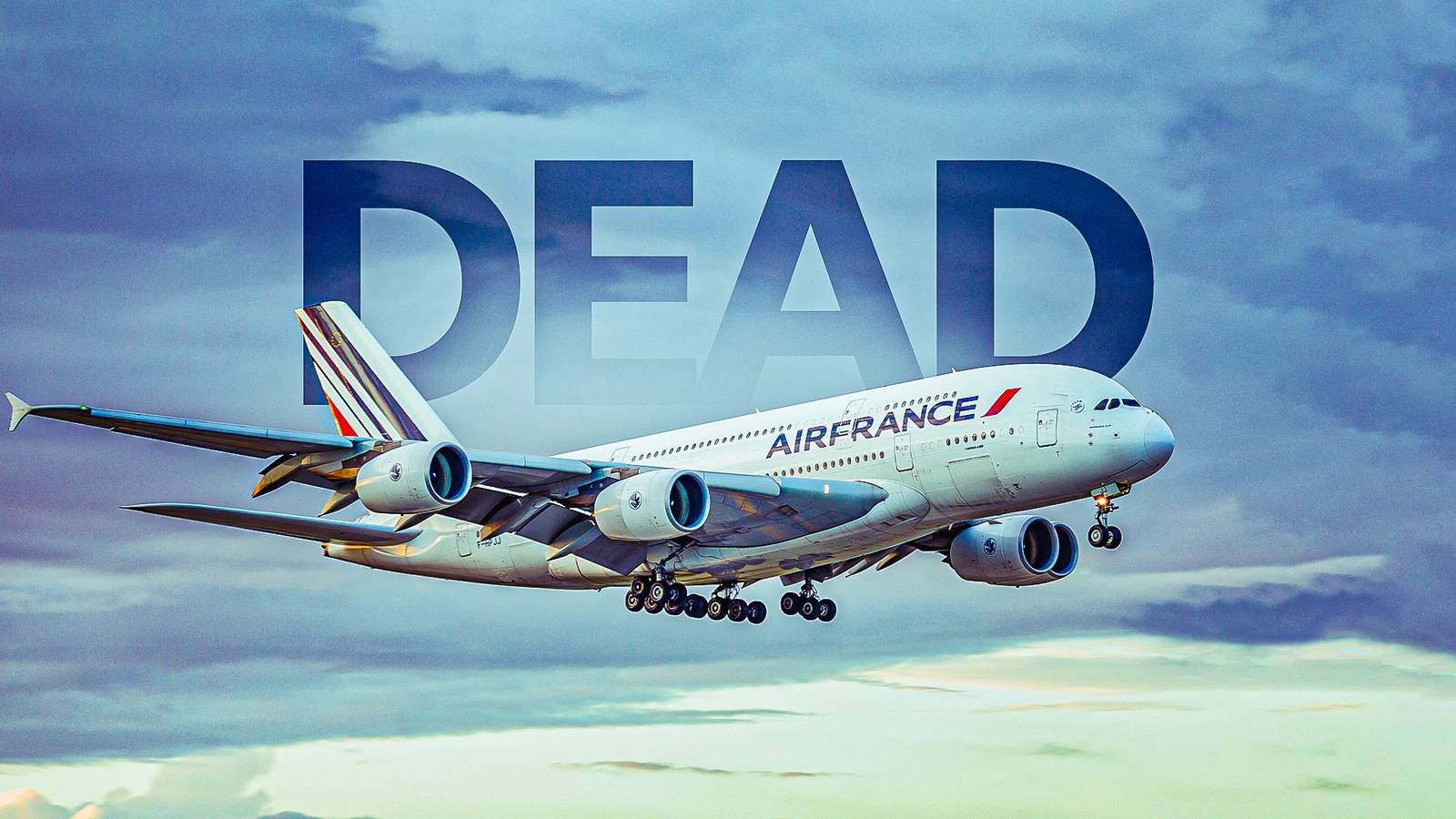
The Resurgence of the Airbus A380: How the Superjumbo Defies Gravity
In a world where the clouds teem with high-flying ambitions and the roar of engines fills the air, the Airbus A380 was once destined to gracefully fade into the annals of aviation’s extant history. Following the unparalleled turbulence brought on by the COVID-19 pandemic in 2020—when fleets around the globe were abruptly grounded—many airlines hastily cast aside the magnificent four-engine superjumbo as a dinosaur of the skies, deemed too vast, too extravagant, and too inefficient for the swiftly evolving landscape of long-haul travel. Yet, as if conjured from the very depths of destiny, the A380 has staged a spectacular comeback.
With the burst of post-pandemic travel fervor, airlines have rallied to reintegrate or revive their cherished A380 fleets, deftly maneuvering through a backdrop of soaring long-haul demand and fraught aircraft delivery shortages. Behind this renaissance lies a captivating, lesser-known ecosystem: a modern industrial web intricately woven around the sustainable dismantling of retired A380s, breathing new life into those still soaring through the azure expanse.
In the enchanting town of Tarbes, France, where the rich aroma of aviation history wafts through the air, this hidden circular economy found fresh wings when Airbus, in early April 2025, entrusted VAS Aero Services with the delicate task of dismantling three retired A380s in collaboration with Tarmac Aerosave. No longer merely a behind-the-scenes venture, the once-niche domain of aircraft disassembly has evolved into an essential cornerstone of the global aviation framework.
This meticulous effort embodies a game-changer in how we perceive the once-static retired aircraft, ushering them into an era of dynamic rebirth. The three A380 aircraft earmarked for this elegant transformation—two former Lufthansa entities and one from Malaysia Airlines—serve as a testament to the evolution of aviation sustainability, as their vital components are poised for newfound service in the heavens.
As the aviation industry grapples with the mounting pressure for efficiency amidst an escalating demand for long-haul air travel, the importance of a robust support structure becomes resoundingly clear. With a staggering 159 to 189 A380s currently gliding through the skies, airlines have invigorated their fleets, reversing hasty retirement decisions made during the pandemic. The international demand surge has crowned the A380 once again as a vital player in global passenger transport.
Meanwhile, sophisticated teardown operations serve to enhance our understanding of the value held within each vacant frame. Here lies a treasure trove of reusable assets—avionics, landing gear systems, and hydraulic assemblies—all stripped from retired giants in a process that ensures continued operational success for those fortunate enough to remain airborne.
As the narrative unfolds, we arrive at a crucial juncture: the harried delays afflicting the Boeing 777X program have contributed to the revived status of the A380. Once poised for graceful retirement, airlines worldwide now find themselves in a position of grace under pressure, extending the operational lives of their superjumbo aircraft while navigating a shifting aviation landscape.
Delving deeper into the artistry of parts harvesting, specialists embark on a slow ballet, meticulously cataloging and refurbishing thousands of components from each retired unit. For the Airbus A380, these vital elements are harvested with a symphony of engineering prowess, rendering thousands of snippets of the superjumbo ready for re-entry into active service.
As we traverse the glittering corridor of aircraft disassembly, it becomes evident that the very fabric of aviation is woven into a tapestry of adaptability, rooted in the viability of existing assets. The A380 stands as an enduring embodiment of how even the grandest of giants can continue to evoke wonder, connecting cultures and cities long after its last journey has been flown.
In this intricate ballet of sustainability and resuscitation, the Airbus A380 has gracefully transitioned from being an economic outcast into an icon of resourcefulness, reminding us of the marvelous potential of ingenuity and resilience. As the skies continue to fill with this magnificent bird, every flight encapsulates a narrative steeped in reassessment, revival, and an eternal quest for excellence within the realm of aviation.