
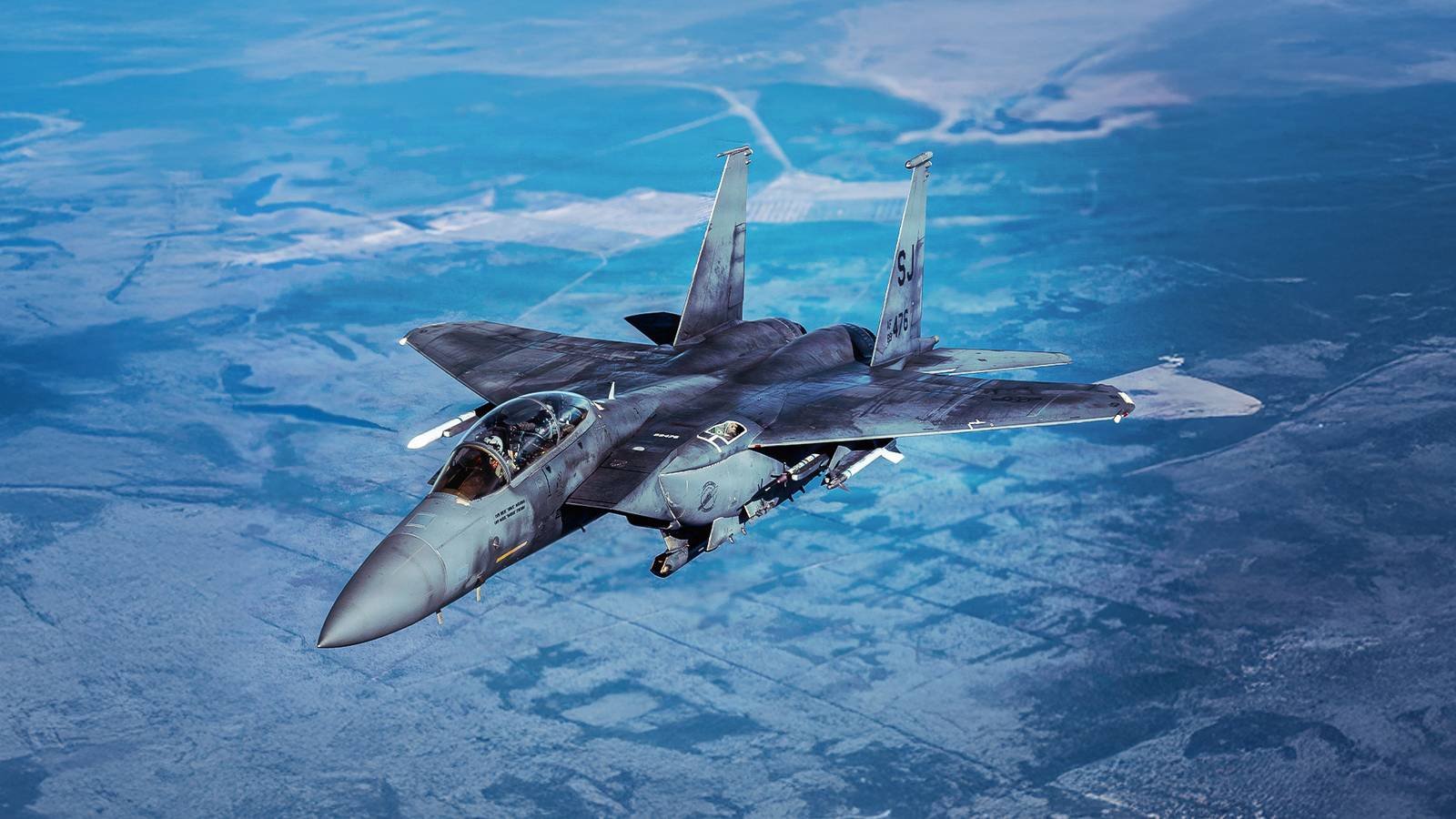
The Vanguard of Aerial Power: Revitalizing the F-15 Fleet for Tomorrow’s Skies
As the winds of change sweep through the vast corridors of the United States Air Force, a transformative approach to aerial supremacy emerges, brilliantly illuminated by the dazzling legacy of the F-15E Strike Eagle. With the introduction of groundbreaking sixth-generation combat aircraft on the horizon, the revered warbird is poised for a contemporary renaissance, amid strategic budget realignment and fleet modernization efforts.
In a meticulously orchestrated decision, the USAF has unveiled plans to retain a select fleet of 99 F-15Es, each primed to be elevated with cutting-edge enhancements. The renowned fighter jets, celebrated for their unwavering combat record, will intertwine the storied past with an electrifying future through an intricate web of advancements, including the Eagle Passive Active Warning Survivability System. This pioneering upgrade promises to significantly augment electronic warfare capabilities, transforming these stalwart warriors into multidimensional instruments of modern combat.
In a bold rebirth, the USAF is poised to double its acquisition of new F-15EX Eagle II variants, amplifying its commitment to air dominance and reversing the trend of dwindling annual targets. This visionary initiative will see the eagle’s flock expand from 129 to an impressive 267, signaling an indomitable resurgence and a steadfast commitment to leveraging legacy assets.
Each F-15E, with its indomitable power plant—the F100-PW-229, generating a staggering 29,000 pounds of thrust—will be expertly tailored and fortified, reflecting the elegance of technological prowess. With speeds surpassing the legendary F-22 Raptor, the F-15E asserts itself as the pinnacle of operational versatility, achieving the highest payload capacity of any fighter currently in service.
As the antiquated F-15C/D models gracefully fade into the annals of history, their successor, the F-15EX, emerges, heralding an exciting new chapter that emphasizes power, adaptability, and sophistication. An unparalleled blend of traditional airframe efficiency and next-generation innovation, these aircraft will not merely coexist; they will symbiotically empower one another, paving the way for a formidable cohesive tactical ecosystem.
Intriguingly, the strategic enhancements of both the F-15E and F-15EX emphasize a future-proofing approach. By standardizing advanced operational capabilities, the Air Force is ensuring seamless interoperability between current and future fighter jets. This interlinked fleet will stand as a bastion of aerial defense, poised to capitalize on the synergy between legacy models and avant-garde combat systems.
At the heart of this innovative transformation lies the Eagle Passive Active Warning Survivability System. Crafted with precision, this cutting-edge electronic warfare suite imbues these aircraft with heightened survivability, paramount for penetrating contested skies. Utilizing sophisticated digital processing, EPAWSS enhances both defensive and offensive capabilities, allowing the F-15 to thrive in high-threat environments with remarkable adeptness.
Moreover, the integration of collaborative combat aircraft, or "loyal wingman" drones, represents an unprecedented evolution in air warfare dynamics. These agile systems will operate in harmony with the F-15 fleet, allowing for captivating strategies that maximize operational potential while minimizing risk. Envision a singular F-15 acting as a sophisticated command hub, guiding multiple drones to engage targets, thus elevating the efficacy of aerial strikes and screening missions alike.
In an era defined by strategic ingenuity and relentless innovation, the F-15’s legacy will transcend the mere realms of nostalgia, emerging as an indelible symbol of the United States Air Force’s unwavering commitment to excellence. With each flight, these aircraft will not only honor the valor of those who have flown before but will also forge a path toward an exhilarating future in the boundless skies above.