
Soaring Beyond the Cockpit: Profound Career Opportunities in Aviation
In the realm of aviation, the allure of flight extends far beyond the confines of the cockpit. It unveils a panorama of distinguished career paths, each resonating with promise and financial prosperity—whether grounded or aloft in the azure expanse. While many enthusiasts envision a skyward ascent as a pilot, the truth is that the evolution of aviation infrastructure nurtures a diverse ecosystem brimming with high-paying roles that do not necessitate the command of an aircraft.
As the aviation industry continues to flourish, it thrives on a cadre of executive, operational, and technical professionals whose contributions ensure seamless operations. For those yearning for a lucrative career in aerospace, yet hesitant about the prohibitive costs associated with pilot training or the stringent medical requisites, ground-based tracks present an opulent avenue of financial stability and personal fulfillment.
In this feature, we delve into five of the most rewarding opportunities within the commercial aviation landscape that liberate individuals from the necessity of a pilot’s license, while firmly establishing their presence in an industry marked by grandeur. These luminaries, equipped with specialized training and certifications, govern the intricate web of aviation operations, safeguarding its integrity and sophistication.
1. Safety Inspectors
Top Pay: $142,412
To preserve the robust framework of global aviation, dedicated safety inspectors emerge as vigilant guardians. They meticulously assess the meticulous maintenance protocols adhered to by airlines, scrutinize pilot training standards, and monitor overall flight operations to uphold strict federal regulations. Their unwavering commitment ensures adherence to standardized safety measures, a cornerstone in an industry defined by its paramount concern for security.
Embarking on this distinguished career typically demands extensive expertise in aircraft maintenance or avionics. Employed by the Federal Aviation Administration, these specialists regularly audit certified repair stations and commercial fleets, fostering an environment of excellence and precaution that protects every passenger in the sky.
| Regulatory Focus Area | Base Salary Baseline | Maximum Locality Cap |
|---|---|---|
| Standard Operations & Auditing | $84,500 | $117,500 |
| Specialized General Aviation | $117,500 | $142,412 |
The financial allure of these regulatory roles is palpable, with salaries ranging between $84,500 and $117,500, while senior inspectors operating in complex environments frequently traverse the impressive salary threshold of $142,412.
2. Flight Dispatchers
Top Pay: $203,000
In the dance of endless skies, flight dispatchers orchestrate an intricate ballet between the airborne and the earthbound. Sharing legal responsibility with pilots, they chart flight paths, meticulously calculating fuel loads while adapting to shifting meteorological landscapes. Their ability to process vast quantities of information with grace under pressure underscores their vital role in ensuring the safety and efficiency of every journey.
Securing an FAA aircraft dispatcher certificate opens the door to this fast-paced realm. Candidates must exhibit proficiency in meteorology, navigation, and federal regulations—qualities that empower them to manage multiple flight operations amid the relentless tempo of aviation.
| Employment Tier | Entry-Level Salary Baseline | Senior Maximum Salary Cap |
|---|---|---|
| Regional Operators | $40,000 | $72,000 |
| Mainline Legacy Carriers | $85,000 | $203,000 |
Entry-level dispatchers may initiate their career journey at approximately $40,000, but those who ascend within legacy airlines can unlock financial success, with seasoned professionals earning between $160,000 and an astonishing $203,000.
3. Systems Engineers
Top Pay: $170,000+
The architects of flight, systems engineers undertake the complex task of integrating mechanical, electrical, and software components within an aircraft. This role demands adeptness in managing the lifecycle of cutting-edge aviation technologies, ensuring that cabin configurations and avionics systems perform flawlessly. Organizations like Lufthansa Technik epitomize excellence in this domain, harnessing expertise to support over 800 global clients.
A robust educational foundation in software engineering, electronics, or aeronautical design is essential for those aspiring to thrive in this lucrative sector. Major manufacturers lean on these engineers to enhance fleet efficiency while navigating stringent environmental compliance.
| Professional Role Tier | Median Annual Salary | Top-Tier Earning Potential |
|---|---|---|
| Mainline Systems Engineer | $134,830 | $155,000 |
| Senior Architect / Multidisciplinary Lead | $155,000 | $170,000+ |
Market trends reveal a promising panorama, with systems engineers averaging a substantial annual salary of $134,830, while high-caliber professionals frequently surpass the $170,000 threshold.
4. Air Traffic Controllers
Top Pay: $210,410+
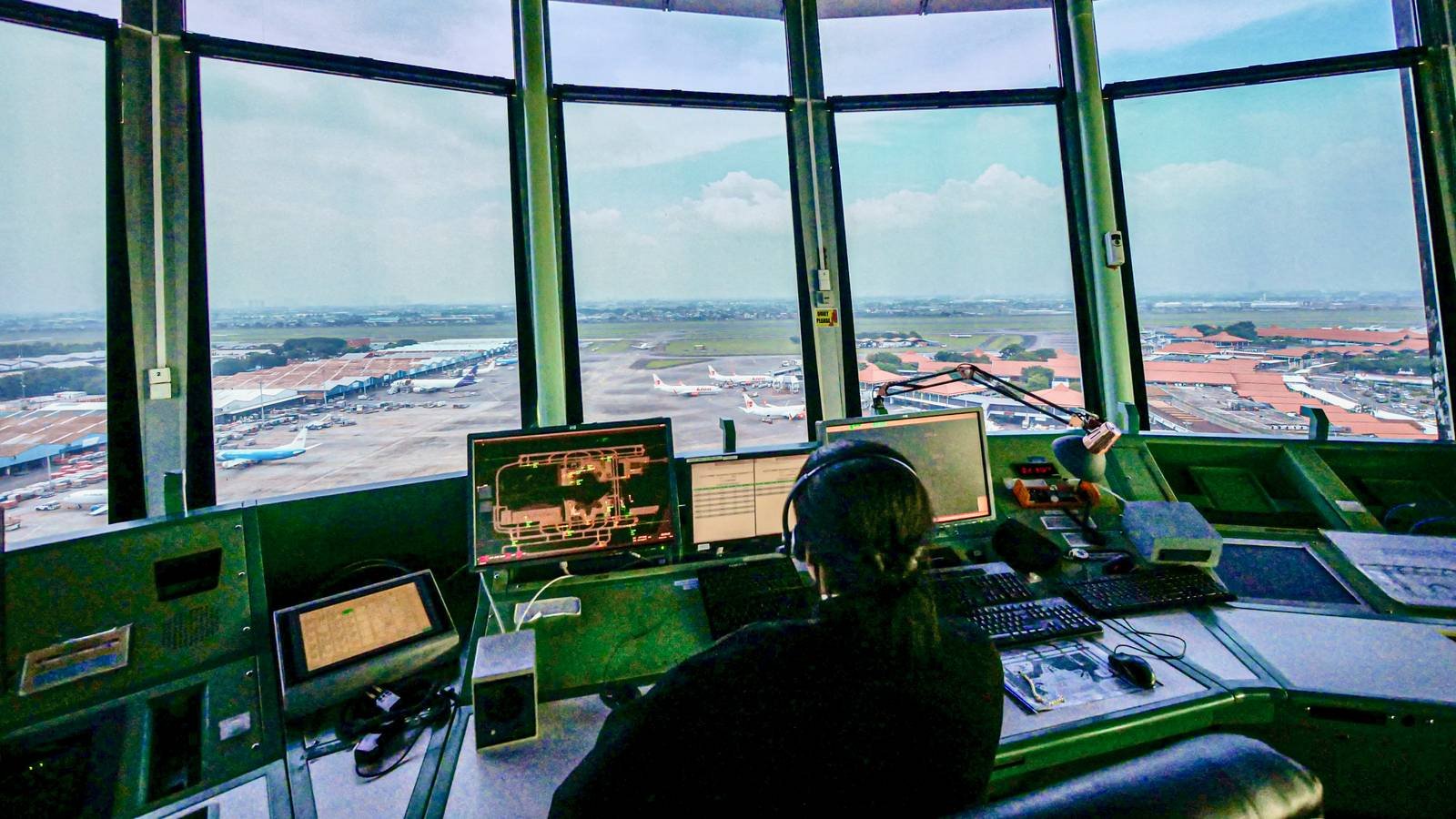
Commanding the fluid symphony of air traffic requires an unwavering focus and exquisite spatial awareness. Air traffic controllers marshal aircraft movements with the agility of a maestro, orchestrating a delicate balance to avert midair collisions, especially amidst the chaos of fluctuating weather conditions. Their role transcends mere guidance, embodying the essence of safety as they navigate the intricacies of aviation with remarkable precision.
To enter this demanding profession, candidates undergo the rigorous FAA Academy training program, where mental acuity and rapid decision-making are cultivated—a testament to the professional dedication required in their high-stakes environment.
| Facility Complexity Level | Median Annual Wage | High-Acuity Senior Cap |
|---|---|---|
| Standard Airspace & Terminal Facilities | $144,580 | $175,000 |
| High-Acuity TRACON & En-Route Centers | $175,000 | $210,410+ |
Current industry metrics underscore the immense earning potential in this vital career track. With an average annual wage of $144,580, senior air traffic controllers can confidently command salaries that rival those of seasoned pilots, particularly in complex airspaces.
5. Maintenance Directors
Top Pay: $139,000+
At the pinnacle of operational excellence are maintenance directors, whose profound expertise transforms logistical challenges into harmonized solutions. Entrusted with ensuring the mechanical integrity of an entire fleet, they orchestrate comprehensive repair schedules and manage complex supply chains while leading extensive teams of technicians. Their strategic oversight is paramount to an airline’s operational readiness, paramount in an era of rapid fleet expansion and increased passenger demand.
This executive role requires a multifaceted skill set, including an airframe and powerplant mechanic certificate and exemplary business acumen. These directors work in concert with federal regulators and airline executives to streamline operations, fortifying the backbone of the aviation industry.
| Leadership Experience Tier | Estimated Annual Salary Range | Primary Industry Data Source |
|---|---|---|
| Baseline Industry Average | $98,000 – $125,000 | Indeed Placement Analytics |
| Senior Fleet / Corporate Director | $139,000+ | NBAA Salary Survey Benchmarks |
A peerless blend of experience and strategic vision enables maintenance directors to ascend to impressive earnings, comfortably exceeding $139,000 as they shape the future of aviation maintenance.
In conclusion, while the allure of piloting may captivate many, an expansive array of alternatives beckons those keen to embark on a journey within the aviation sector. With substantial financial rewards and fulfilling responsibilities, these elite ground-based roles promise to elevate not only personal aspirations but also the very standards of safety and innovation in the skies above.