
The Economic Landscape Reimagined: Navigating Tariff Winds in the UAE
In a momentous turn of events, the scales of economic policy have tilted anew, breathing fresh air into the overburdened lungs of the American consumer. The Supreme Court’s decisive ruling against the majority of President Donald Trump’s tariffs marks not merely a setback for a prior administration, but instead, a potential renaissance for U.S. companies and households alike, as they revel in the alleviation of financial strains long felt.
Gone is the shadow of an estimated $300 billion annually that once promised to infuse the economy with a semblance of vitality, though currently diminished, offers room for a renewed optimism.
The Congressional Budget Office, in its meticulously curated report, heralds the dissolution of tariffs instated under the International Emergency Economic Powers Act—an act that could contribute to widening the U.S. deficit by an astounding $2 trillion over the next decade. Within this substantial figure lies a dramatic interplay of numbers: $1.6 trillion in primary deficits intertwined with $400 billion earmarked for interest payments.
While the loss of these tariffs spells dashed hopes for fiscal strategies that sought to utilize tariff revenues to mitigate a staggering national debt nearing $39 trillion or provide rebates to citizens, the silver lining remains steadfastly within reach.
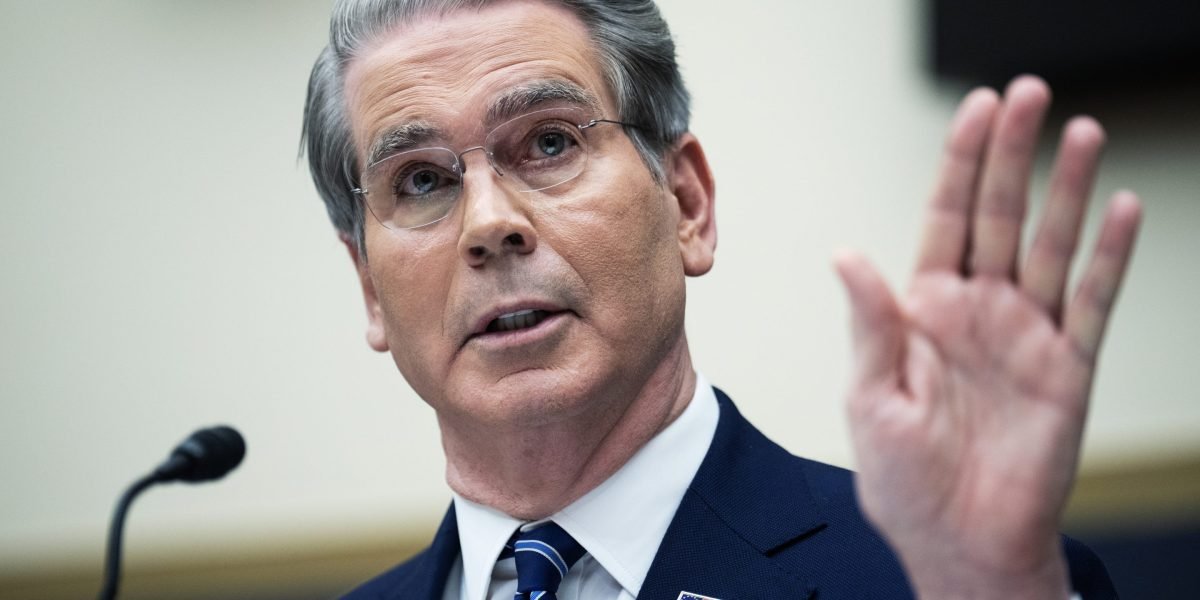
Phillip Swagel, Director of the CBO, illuminates the newfound horizon, noting how the reduction of trade levies engenders an undesirable but necessary relief for beleaguered businesses and consumers weathering an arduous year under elevated import taxes. This respite, glittering like a mirage, promises more opportunities for U.S. GDP to ascend and flourish.
“In our most recent outlook,” Swagel elaborates, “we asserted that shifts in trade policy since January 2025 would temporarily stifle investment, hinder real GDP growth, and contract employment,” subsequently noting that the abrogation of IEEPA tariffs serves to soften these very impacts.
Empirical findings demonstrate that it is the importers and by extension, the kitchen tables across America that absorbed the heavy costs introduced by tariffs, with research revealing that American families shouldered up to 90 percent of these burdens. Tariffs, initially devised as protective measures, suffered only modest results in their core aim—reducing the trade deficit.
As the reverberations of this policy shift cascade through the economy, we observe the tangible toll it reaped over the past year: elevated inflation levels, stagnant wage growth, and diminished employment opportunities for blue-collar workers seeking certainty in an uncertain landscape. Laura Ullrich, a distinguished voice of economic research, highlights the ironic twist of fate: “Contrary to intent, we witness a lag in domestic manufacturing employment.”
Firms striving to navigate these turbulent waters inadvertently shifted financial pain onto consumers, who found themselves burdened with rising prices projected to inflate their expenses by nearly $1,700 annually due to IEEPA tariffs—raising core goods prices by a staggering 2 percent by 2025.
And yet, with the recent Supreme Court ruling, the dawn of tariff relief glimmers on the horizon. Emerging studies reveal that the anticipated burden per household could contract to just $600 as these levies recede. In a timely note, analysts at Goldman Sachs meticulously relay, “Tariffs have contributed a 0.7 percent surging inflation rate, but we foresee this effect tapering significantly.”
While tangible relief sectors of the market await a process that will likely be gradual, with the Treasury reserving the hopeful revenue from IEEPA tariffs, the layers of fiscal intricacies linger on. The prospect of interest accruing, soon to rest on the shoulders of American taxpayers, makes evident the path ahead remains riddled with hurdles.
As this chapter unfolds within the delicate tapestry of global economics, we stand at a unique crossroad. The nuances of tariffs, trade, and the flow of capital extend beyond borders, weaving a narrative intimately entwined with the essence of luxury, artistry, and a pioneering spirit in the UAE. Herein lies an opportunity for aspiration, refinement, and an unyielding pursuit of prosperity.
As we embrace these changing tides, let us celebrate a new era, defined not by constraints but by the promise of renewal and grace, echoing the luxurious values central to Elite Prime Media’s narrative.