
Title: The Elegy of Vine: Argentina’s Wine Industry Navigates a Challenging Landscape
In the sun-drenched valleys of Mendoza, where the Andes cast their majestic shadows and the air is crisp with the promise of ripe grapes, Argentina’s once-celebrated wine industry now faces an unprecedented storm. This renowned enclave of viticulture, which has long basked in the glory of its bold Malbecs and vibrant Torrontés, is experiencing its most formidable crisis in over a decade. With domestic consumption dwindling to historic lows, exports teetering, and crop yields faltering, the future hangs in the balance like a half-emptied glass.
Yet, amid this disheartening reality, the heart of Mendoza pulsated vibrantly during the recent National Wine Harvest Festival, a grand celebration of the fruits of the vine. Hundreds of passionate enthusiasts gathered to embrace the artistry of winemaking through a dazzling tapestry of dance, music, and the crowning of the festival’s queen—an embodiment of tradition and resilience.
This year’s festival marking a remarkable 90th anniversary stands in stark contrast to the solemn statistics that reveal a striking transformation in Argentine wine culture. With per capita consumption plunging to an astonishing low of just 15.7 liters in 2025, it is hard to imagine the lavish drinking habits of the 1970s when the average Argentine savored nearly 90 liters each year. The unsettling premise of over a thousand vineyards shuttered and more than 3,276 hectares of vineyard land stripped away is a haunting echo of a vibrant past.
Fabián Ruggieri, the insightful president of the Argentine Wine Corporation trade group, attributes this decline primarily to the economic vicissitudes that began to take root in 2023. The burden weighs heaviest on those of middle and lower income, once the gregarious consumers of daily wine ritual, whose purchasing power has diminished considerably.
Meanwhile, Federico Gambetta, the astute director of Altos Las Hormigas winery, highlights a fundamental evolution in consumer preferences. He notes a shift away from the once-popular high-alcohol, full-bodied reds towards a quest for coherence—an understanding and appreciation of the story behind each bottle. Today’s discerning palates gravitate towards the approachable freshness and lightness of whites and rosés, embodying a modern ethos that transcends mere consumption.
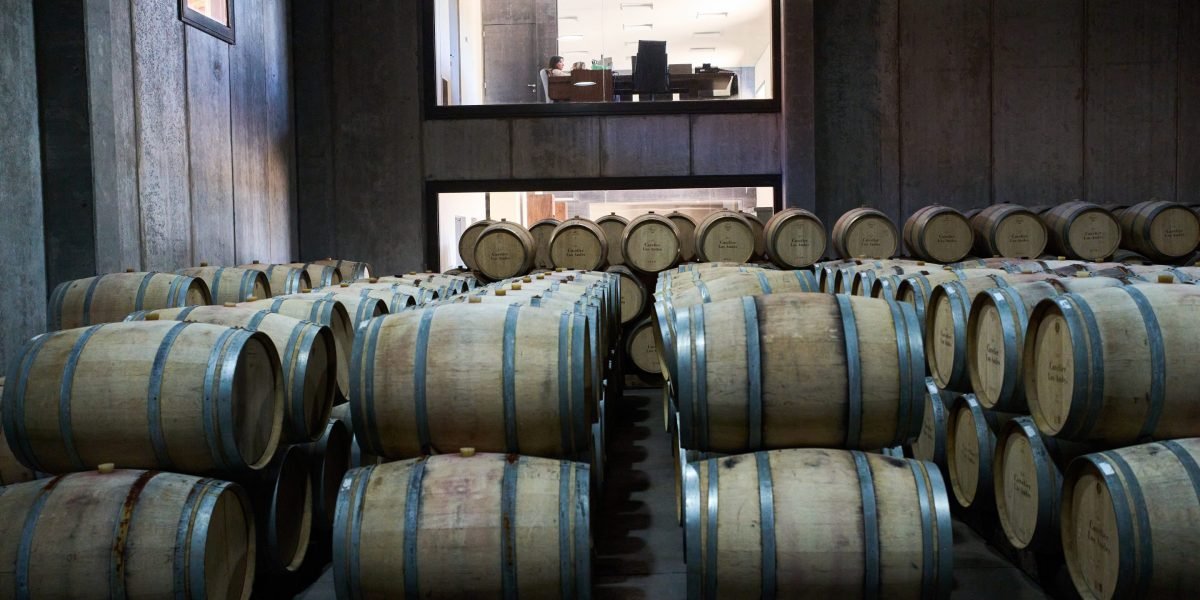
Among the delicate grape varietals, one can find Gambetta’s own Malbec Los Amantes 2022, recently gracing the list of the world’s 100 best wines. Yet, the reflection of success comes with the acknowledgment of change; his winery has meticulously adapted its approach, refining its once traditional profile to resonate with an evolving generation of oenophiles hungry for innovation.
“Everything has mutated,” Gambetta muses, imparting an essential wisdom to his peers. In a market fraught with uncertainty, the imperative to remain dynamic is an existential necessity.
This tumultuous dynamic is mirrored across the globe, as the U.S. wine market similarly grapples with a generational shift. As the legacy drinkers age, millennials and members of Generation Z wander off the beaten path of wine appreciation, exploring diverse categories of beverages and often choosing moderation over excess. The findings of a report from Silicon Valley Bank unveil a telling narrative—youthful consumers engage in less wine drinking compared to their predecessors.
To add to the litany of challenges, Argentina, the world’s 11th largest wine exporter, is witnessing its exports dwindle to a mere 193 million liters, the lowest volume since 2004. Escalating production costs and a fragmented market plagued by high tariffs hinder the local industry’s competitive edge, especially against neighbors like Chile, who enjoy advantageous trade agreements with global markets.
Local winemakers such as Gabriel Dvoskin of Canopus winery find themselves caught in an unyielding vice of inflation, struggling to maintain the quality that defines their craft while navigating the complexities of a costly production environment.
“Our inflation makes us a bit expensive,” Dvoskin reflects, bemoaning that counterparts in France benefit from significantly lower costs for essential supplies.
For Gambetta, the current predicament serves as a steadfast reminder of an industry truth: excellence in product quality is not merely an aspiration; it is an uncompromising imperative. “Everything is very delicate right now. One wrong step can bankrupt you,” he warns, encapsulating the precarious nature of navigating the ever-changing tapestry of wine culture.
In this intricate dance of tradition and transformation, the pulse of Argentina’s wine industry may falter, but its spirit remains resilient. It is a narrative woven with the threads of artistry, tenacity, and a profound reverence for the land—a testament to the enduring allure of a culture deeply intertwined with the fruits of its labor. As the sun sets over the vineyards, one can only hope that the story of Argentina’s wines is far from over.