
Navigating the Skies: Decoding the Acoustic Differences Between the Boeing 737 and Airbus A320 Families
In the world of aviation, where the hum of engines serenades countless skies, the Boeing 737 and Airbus A320 families stand as titans of the airways. Yet, amidst their majestic rivalry, a question often emerges: is the Boeing 737 truly the noisier contender? While intuition might lean towards this notion, a closer examination reveals subtleties that are frequently overstated, particularly at cruising altitudes.
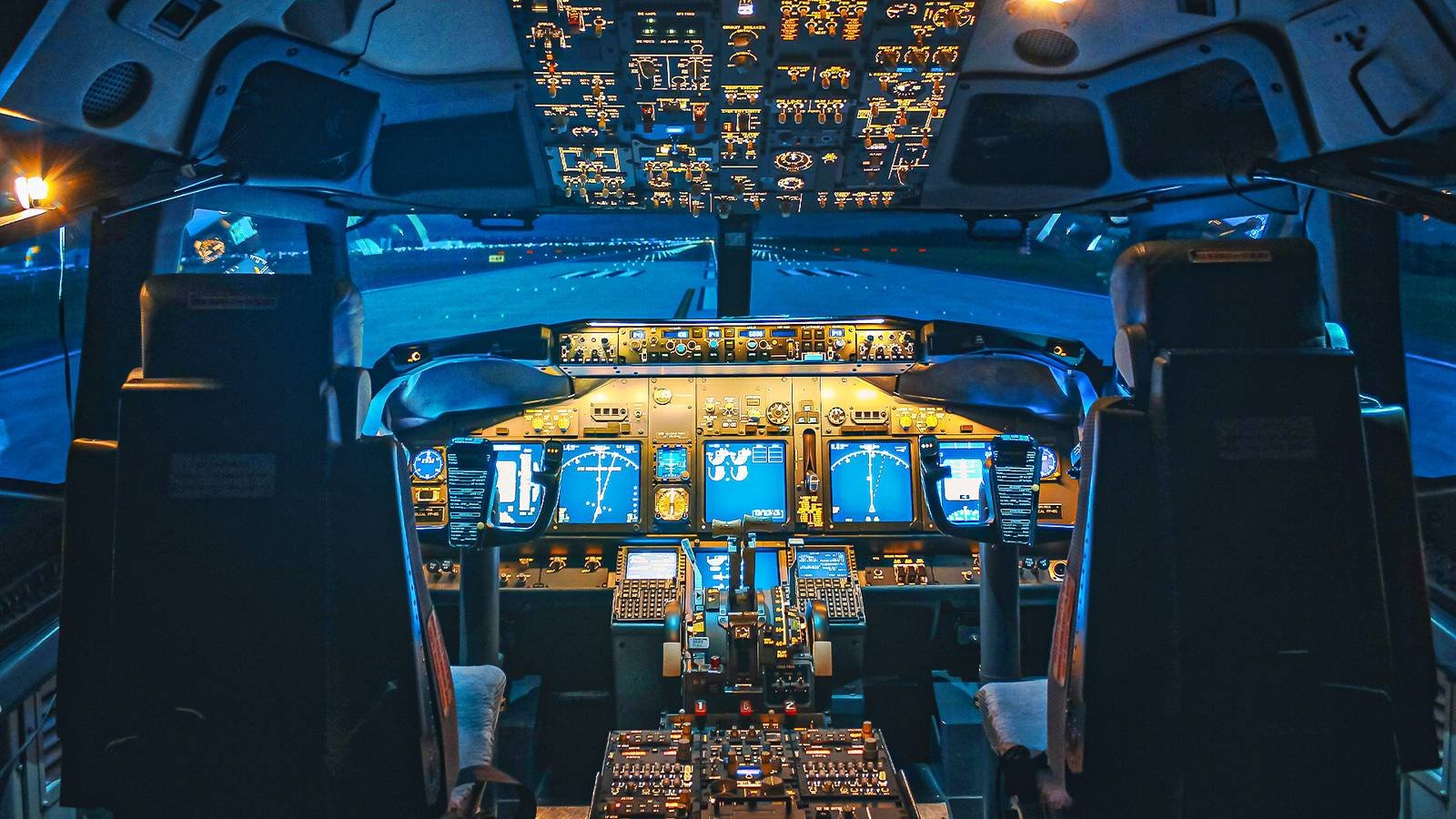
The cockpit experience aboard any aircraft is framed by myriad factors, with engine noise being an obvious star player. However, equally deserving of attention is the aircraft's nose design, which intricately shapes airflow around the cockpit and forward fuselage. This nuanced interaction influences the soundscape within, as turbulence in airflow introduces wind noise, subtly punctuating the cockpit ambiance.

As evidence unfolds, the 737 Next Generation (NG) aircraft ingeniously incorporated vortex generators—delicate enhancements near the cockpit windows—designed to facilitate smoother airflow and thereby mitigate cockpit noise. It is noteworthy that the aerodynamic profile of the Boeing 737's nose reflects a lineage extending back to the Boeing 707 and 727 era, further entrenching its character.
Beyond the mechanical intricacies, the firsthand accounts of seasoned aviators like Carlos Alberto Valdez of Alaska Airlines illuminate the auditory experience within the Boeing 737 cockpit. "During takeoff and landing," he notes, "a valve known as the Overboard Exhaust Valve engages, creating a distinctive sound that punctuates the ascent." Though conversation remains achievable in flight, the comfort of a headset is a preferred companion.
The A320: A New Generation of Serenity
In stark contrast, the Airbus A320 brings forth a fresh perspective, embodying modern aerodynamic sensibilities with its sleek, rounded nose design—an artistic evolution that champions efficiency. Launched in an era significantly later than the 737, the A320 is a testament to cutting-edge engineering, offering substantial aerodynamic advantages through its blunt profile, significantly reducing drag and enhancing fuel efficiency.
With the A320 family emerging as the most delivered aircraft in history, its distinct configurations—centered around the singular design ethos of a fly-by-wire system—establish a paradigm shift. The A320 cockpit is a symphony of ergonomic mastery, inviting pilots into a spacious and intuitive flight deck. Gone are the restrictive yokes of yesteryear, replaced instead by sidesticks that facilitate both comfort and control, allowing aviators to glide through the sky with grace.As both aircraft families have evolved through their respective generations, they have fostered legacies rich with advancements. The Boeing 737 has embraced modifications from its genesis in 1967 to the latest 737 MAX iteration, which boasts revolutionized engines and reduced fuel consumption, crafting a future that pays homage to its storied past. Meanwhile, the A320 continues to thrive, captivating airlines with its refined efficiency and dedication to sustainability.
An Ethereal Competition
In this captivating duel above the clouds, both the Boeing 737 and Airbus A320 offer their own nuanced symphonies. Each has etched its mark on the tapestry of modern aviation, inviting us to not merely traverse distances but to revel in the orchestration of engineering marvels that inspire wanderlust and ignite passion. As we peer into this beautifully complex rivalry, we are reminded that the skies are not just a passage to our destinations, but a stage upon which the essence of humanity and ingenuity unfolds.