
The Quiet Guardians of the Sky: Unveiling the Art of Aircraft Maintenance
In the realm of commercial aviation, safety is not a mere product of chance, but a cultivated discipline, intricately woven into the fabric of every flight. Each journey that transports passengers across sweeping skies is grounded in meticulous technical decisions, scrupulous inspections, and unwavering verifications—an elaborate ballet performed long before the pilot’s fingers grace the throttles. While those seating in the cabin savor the visible splendor of their journey, a world of rigorous checks unfolds just beyond sight, where swift maintenance intervals transform potential malfunctions into mere whispers, fending off the fates that once redefined aviation history.
As we delve into the annals of past disasters, we uncover the harsh realities that arise when discipline falters—missed inspections and neglected defects yield consequences that echo through time, reshaping philosophies of maintenance and influencing regulatory frameworks. In this context, today’s aircraft maintenance systems arise not from mere necessity, but as guardians against the shadows of oversight, ensuring that every machine remains an avatar of airworthiness and reliability.
The Invisible Clock of Airworthiness
At the very essence of aviation safety lies a profound concept: airworthiness. An aircraft graces the skies only when it meets stringent safety standards—an expectation that extends beyond the factory gates and envelopes its daily operations. To uphold this sacred trust, airlines implement rigorous protocols like the Continuous Airworthiness Maintenance Program—an adherence enforced by regulatory bodies such as the Federal Aviation Administration.
The challenges faced by aircraft are formidable—subjected to relentless pressurization, unpredictable vibrations, temperature fluctuations, and structural strains that accumulate imperceptibly over time. Thus, maintenance is artfully segmented into a layered structure, embodying the dedication that keeps aircraft soaring high.
Line Checks: The Work Done Between Flights
Often, the most critical maintenance occurs under the tightest timeframes. Line checks—and perhaps somewhat unceremoniously dubbed service checks—occur directly at the gate, where technicians launch into a swift yet thorough inspection, wielding only minimal tools and an exceptional eye for detail.
These rapid assessments can take place at intervals of twenty-four to sixty hours of flight time, ensuring every aspect of aircraft integrity is carefully scrutinized—from tire and brake conditions to the fluid levels essential for smooth operations. The collaboration between pilots and ground crews takes on paramount importance here, as flight crews conduct their own visual inspections prior to takeoff, forming the first line of defense against larger malfunctions.
Base Maintenance: A Symphony of Precision
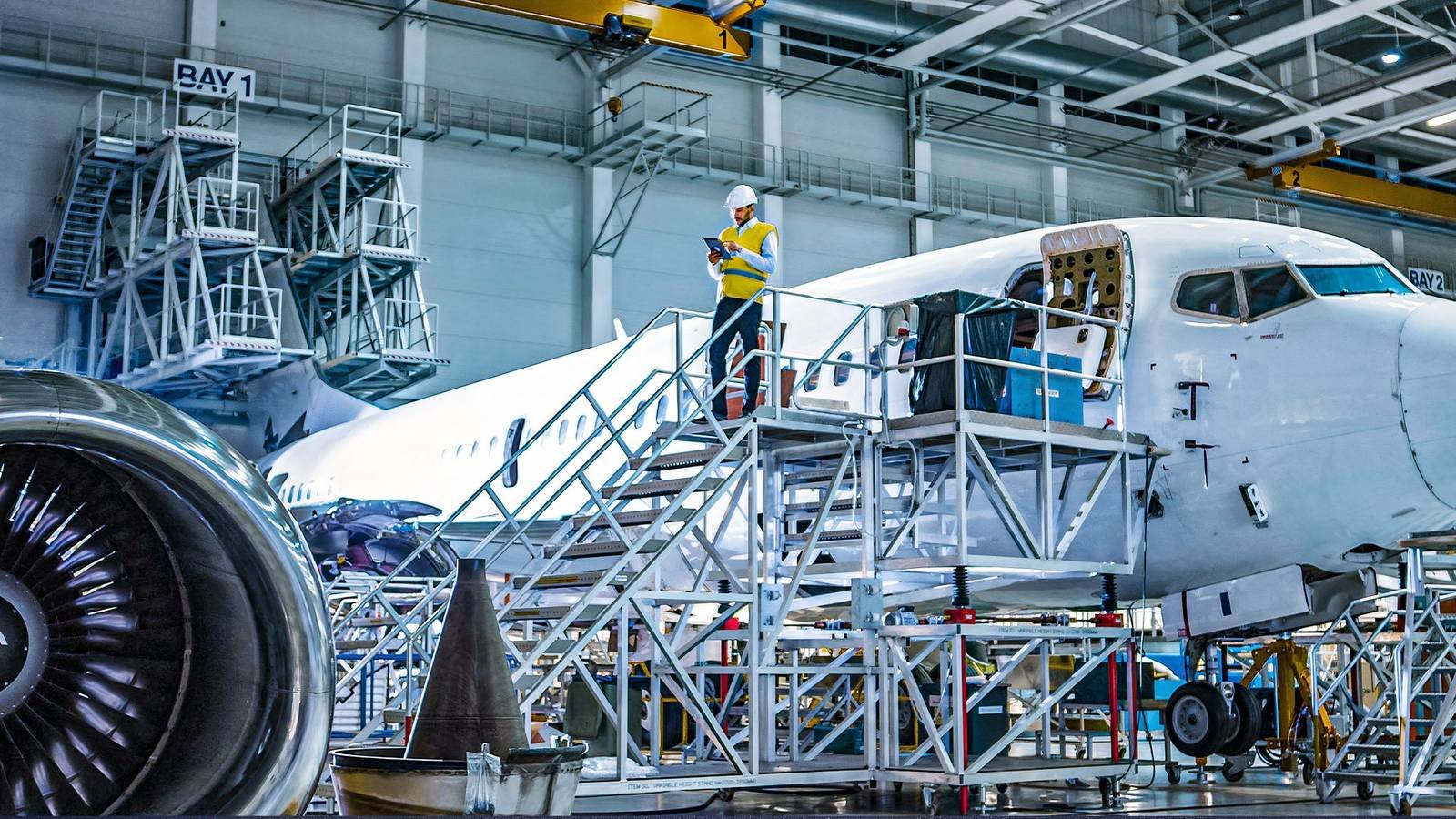
If line maintenance keeps the aircraft in flight, base maintenance breathes life back into them. This deeper, more comprehensive process requires the aircraft to rest, sometimes for days—to undergo a meticulous evaluation well beyond superficial checks. The heavy lifting of structural examinations and systems analyses is paramount to ensuring long-term safety, and great care is invested in every procedural detail.
With each inspection cycle labeled A through D, the D check represents a transformative intervention, one where the aircraft is exposed to scrutiny far deeper than routine maintenance necessitates. As panels detach and hidden compartments reveal their innermost secrets, meticulous teams skillfully navigate the complex tapestry of compliance, transforming potential risks into guarantees of reliability.
Understanding A, B, C, and D Checks in Aircraft Maintenance
Aircraft maintenance comprises a structured framework of meticulous inspections designed to detect issues early and ensure enduring safety. This layered strategy comprises four pivotal levels: A, B, C, and D checks—each varying in frequency, complexity, and operational downtime. From the routine inspections that underscore day-to-day reliability to the profound structural assessments of the C and D checks, this methodology emerges as a symphony of control and assurance—an unyielding commitment to keeping flight paths clear and skies secure.
Aircraft Can Legally Fly With Faults
Intriguingly, airlines may dispatch aircraft with certain components that are not fully operational, thanks to the industry’s inherent redundancy protocols. When faced with unforeseen issues, pilots and engineers consult the Minimum Equipment List—a carefully crafted document tailored to each operator’s specifications, outlining essential operational conditions for a safe departure.
For instance, an aircraft grappling with pressurization anomalies may still embark on its journey, provided meticulous guidelines are adhered to. This adaptability serves to safeguard not only regulatory compliance but also the seamless experience of travelers—ensuring that each flight remains not merely a passage through air, but a testament to the resilience and ingenuity of modern aviation.
What Pilots Do During a Pre-Flight External Check
Before any aircraft sets forth on its voyage, the flight crew engages in a pre-flight external check—a confirmation of the aircraft’s readiness that transcends the rigors of regulated inspections. This intimate, real-time evaluation allows pilots to visually affirm the machine’s condition, ensuring its fitness for the skies.
As the clock ticks and the ramp buzzes with urgency, crews launch their inspection at the first opportunity, harmonizing observations with information from the tech log, all in pursuit of an impeccable takeoff. Each flight presents unique challenges, whether necessitating ice checks or adjustments stemming from recent conditions—an ever-evolving dance that is as vital as it is meticulous.
In the luxurious world of aviation, the art of aircraft maintenance intertwines with an unwavering commitment to excellence. Every moment, every decision, echoes through the realm of those who choose to take to the skies—ensuring that each flight is not just a journey but an experience enveloped in the assurance of safety, artistry, and the elegance of human endeavor.