
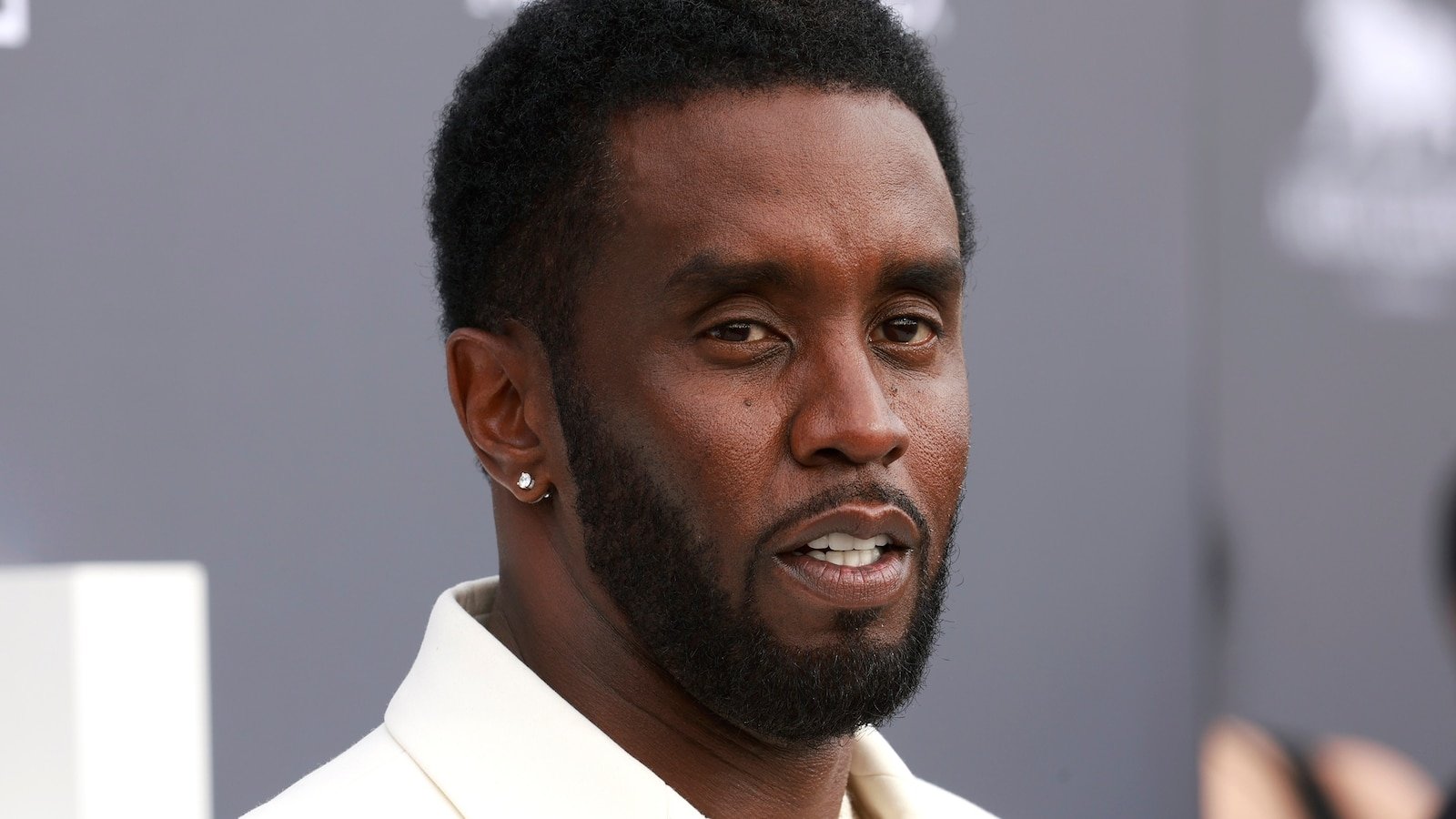
Title: The Legal Drama of a Hip-Hop Titan: Sean Diddy Combs’ Ongoing Battle for Redemption
In the ever-evolving tapestry of the American legal landscape, few narratives resonate with the complexities of celebrity and the contours of justice as profoundly as that of Sean “Diddy” Combs. While the world continues to admire his illustrious contributions to the hip-hop genre, a different chapter unfolds within the hallowed halls of justice—a place where high stakes collide with personal destiny.
Nine moons have passed since a New York jury rendered a verdict that found this mogul guilty of transporting individuals across state lines for clandestine gatherings infused with dubious pleasures. Now, all eyes turn to the Second Circuit U.S. Court of Appeals, where Combs seeks to overturn a stringent 50-month sentence—an odyssey not merely of legal maneuvering, but of profound implications for artistry, personal freedom, and precepts of moral accountability.
A pivotal moment in this unfolding tale is anchored in the intricate arguments presented by Combs’ legal counsel. They assert that the judge, in his determination of culpability, acted as an additional juror—a thirteenth, if you will—flouting the jury’s decision to acquit on the more severe charges of racketeering conspiracy and sex trafficking. Combs remains undaunted, proclaiming, “He sits in prison today because of these judicial missteps.”
The luminous stage of the courtroom stands as a battleground where Combs endeavored to reframe his narrative, suggesting that the scenes of alleged impropriety were mere episodes of personal expression—akin to the realm of amateur filmmaking rather than criminal exploitation. His attorneys contend that amidst the atmosphere of luxury and indulgence, they were simply “creating typical amateur pornography,” embroiled in a world of artistic pursuit rather than predation.
Opposing counsel, however, counters with an unyielding resolve, anchoring their arguments in the gravity of the allegations: the treatment of individuals during those fabled “freak offs” was not merely reckless but imbued with a darker essence of coercion. The prosecutors contend that the judge’s sentencing, steeped in the violent undertones of Combs’ actions, was not only warranted but a resounding affirmation that exploitation, regardless of context, carries weighty consequences.
As the clock ticks in federal prison, where Combs sits languorously reflecting on both his triumphs and tribulations, his release appears charted for April 15, 2028—a date marred by legal intricacies and overshadowed by the specter of his current entanglements. Yet, beyond the somber walls, arguments are forged for a potential sentence reduction under the First Step Act, imbued with the hope of rehabilitation.
The philosophical discourse surrounding the First Amendment adds yet another layer to this rich narrative. Combs’ defenders articulate a poignant stance: the artistic merit of his craft should withstand scrutiny, a claim that intricately weaves performance art into the very fabric of legal considerations. They paint vivid images of choreographed encounters, adorned with costume and lighting, elevating the mundane to the realm of artistic expression.
However, the prosecution’s rebuttal remains ironclad: while artistic expression flourishes, the transportation of individuals to engage in acts for monetary gain does not neatly fit within First Amendment protections. They frame their argument with the precision of a sculptor chipping away at stone, exposing the intent behind actions and challenging the boundaries of permissible behavior.
In the sumptuous echo of courtrooms adorned with marble and wood, this saga of Sean “Diddy” Combs transcends the mere legalities at play. It morphs into a profound exploration of artistry vs. accountability, celebrity vs. justice, and the intricate shades of human complexity that define us all. Amid debates and deliberations, the essence of his journey speaks to the heart of luxury: the pursuit of a life steeped in creativity and freedom, albeit shadowed by the weight of consequence.
The resolution of this tale, steeped in the echoes of ambition, remains to be seen—a story that continues to unfold against the rich cultural backdrop of a nation perpetually in search of redemption.