
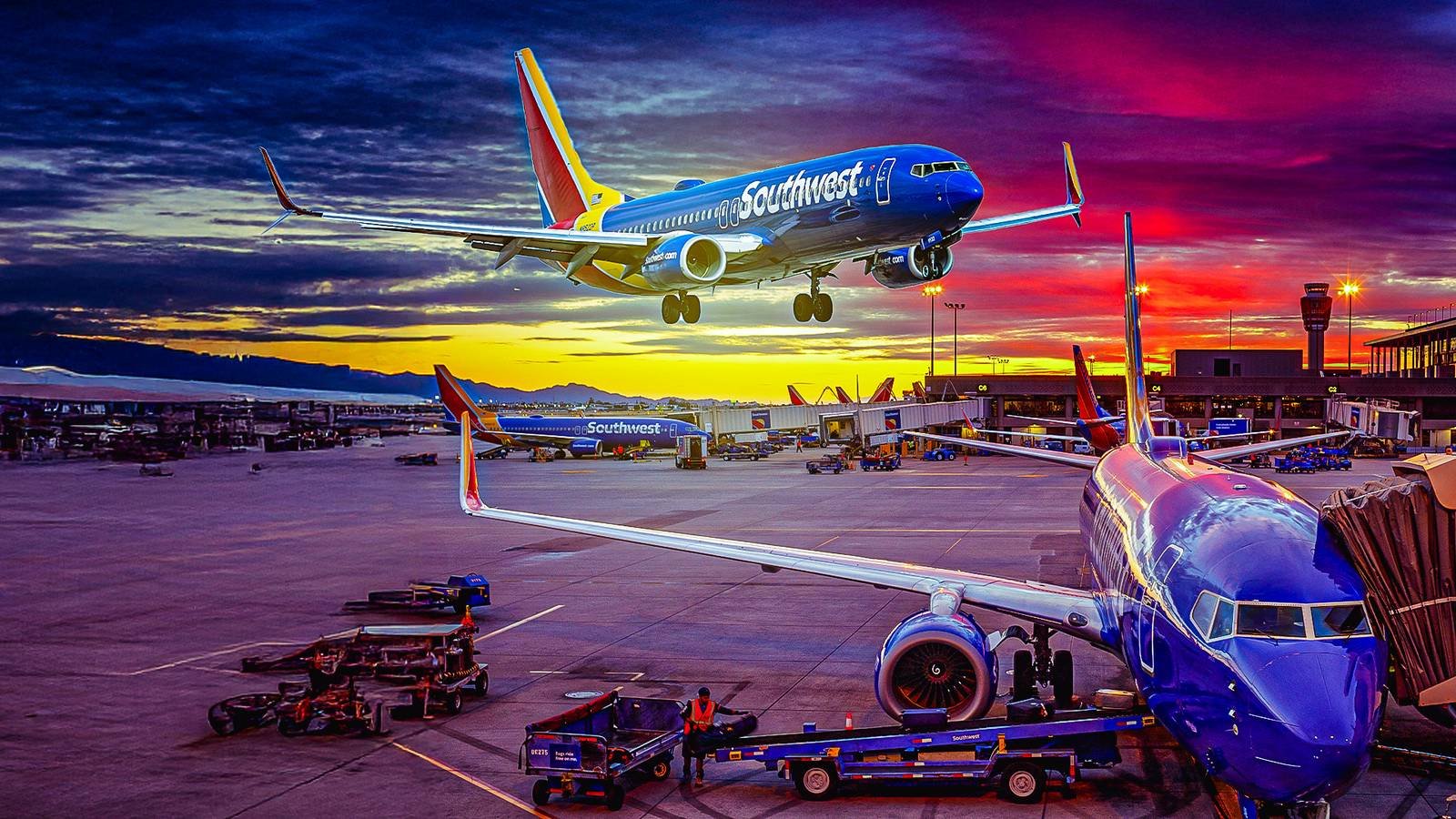
A New Era of Travel: The Transformation of Southwest Airlines
Step aboard as we embark on an evocative journey through the skies, exploring a revolution unfolding within Southwest Airlines, a name that has long resonated with both the exhilaration of air travel and the warmth of customer care. Amidst the vibrant tapestry of the aviation industry, Southwest is meticulously redefining its narrative—transitioning from a beloved budget carrier to a brand poised on the precipice of prestige and modernity.
Nestled within the bustling corridors of innovation, Southwest Airlines has recently undertaken monumental shifts in its operational ethos, specifically abolishing its cherished ‘Bags Fly Free’ policy and embracing the trend of assigned seating. These bold maneuvers have sparked a cacophony of responses from the aviation community, rippling through the hearts of loyal patrons and industry pundits alike. Under the astute leadership of CEO Bob Jordan, the airline is not merely adapting; it is aggressively carving out a new identity that intertwines accessibility with the elements of modern luxury.
Embracing new aspirations, Southwest has invited the Elliott Investment Group, an influential activist investor, to the helm of its transformation—a partnership that has since witnessed a dilution of their share, shifting from sixteen percent to nine. Yet, the transformative vision remains steadfast, with Jordan teasing the introduction of exclusive lounges and premium cabin experiences, elements that herald a new era of refined travel.
In a world increasingly driven by shareholder value, Southwest finds itself at a crossroads. While the allure of profitability shines bright, traditional customers express a profound nostalgia for a brand that once illuminated the skies with a promise of genuine care and uncomplicated travel. As Jordan asserts the necessity for a remodel to meet evolving profit targets, he fiercely vouches for the core values of trust and hospitality that originally won the hearts of millions.
Discerning observers note the contrasting narratives surrounding modern developments. While the introduction of assigned seating is marketed as a framework for fairness, the transition has been framed as a business strategy targeting demand segmentation and monetization. Critics argue that the romance once associated with the concept of open seating— a symbol of camaraderie and spontaneous travel—has all but dissipated. The jubilant spirals of carefree boarding have given way to the structured maze of eight-group boarding, appearing chaotic to long-standing patrons who long for the simplicity of yesteryear.
Yet, amidst the waves of discontent, the airline has recorded a surge in financial triumphs, demonstrating a paradox where the economic pulse beats strong while the emotional connection wanes. Reporting record profits and an ambitious projection of earning returns exceeding fifteen percent by 2027, Southwest’s stock reflects an exhilarating upward trajectory, all while critics caution against the profit-first approach, suggesting that the evolution is often veiled with the allure of premium offerings rather than the earnest enhancement of customer experience.
As travelers maneuver through this changing landscape, they find the essence of Southwest Airlines paradoxically encapsulated—an exploration of how elevated customer experience can enhance brand identity while bridging the gap between long-held traditions and contemporary expectations. The future rests in balancing inspiration with practicality, melding progressive strategies with the soul that once defined a beloved airline.
Although the skies may be shifting, the spirit of adventure lingers in the air. With its eye fixed firmly on the horizon, Southwest Airlines is navigating through a complex interplay of ideals and strategies, forever charting a course that, while modernized, aspires ultimately to connect with the heart—wherever your journey may take you.