
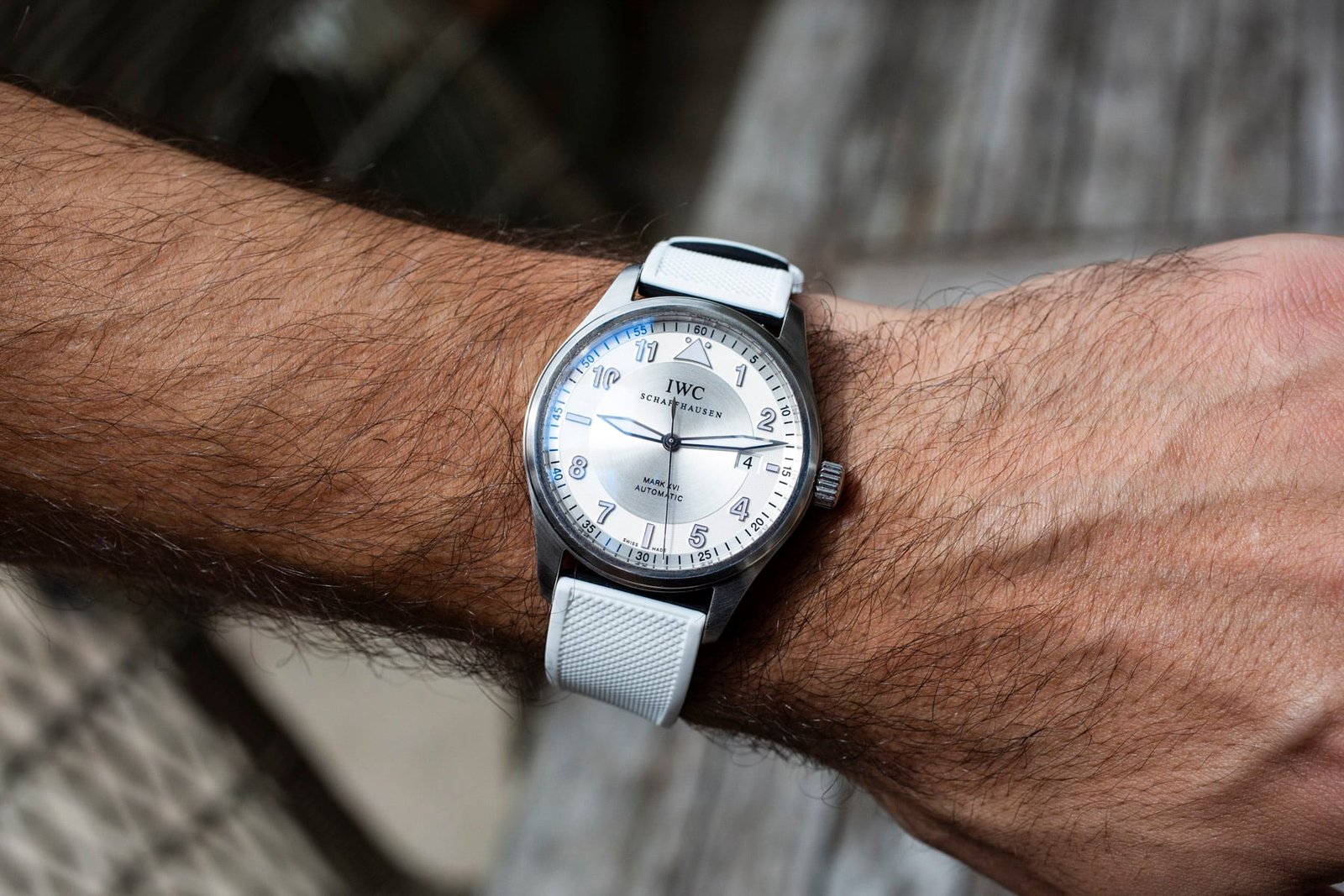
The IWC Pilot’s Watch Mark XVI Spitfire: A Hidden Gem in the World of Neo-Vintage Watches
Some watches quietly occupy a sweet spot in the collector market—neither overly hyped nor aggressively marketed, yet still holding their ground against speculative pricing. One such example is the IWC Pilot’s Watch Mark XVI Spitfire ref. IW325502.
Produced in the mid-2000s, this neo-vintage pilot’s watch embodies something increasingly rare: a classic aviation design married with modern wearability, all powered by a movement that any competent watchmaker can service. For collectors who value practicality alongside heritage, the Mark XVI Spitfire stands as one of the most attractive entry points into the IWC pilot lineage. Let’s dive into what makes this watch so special.
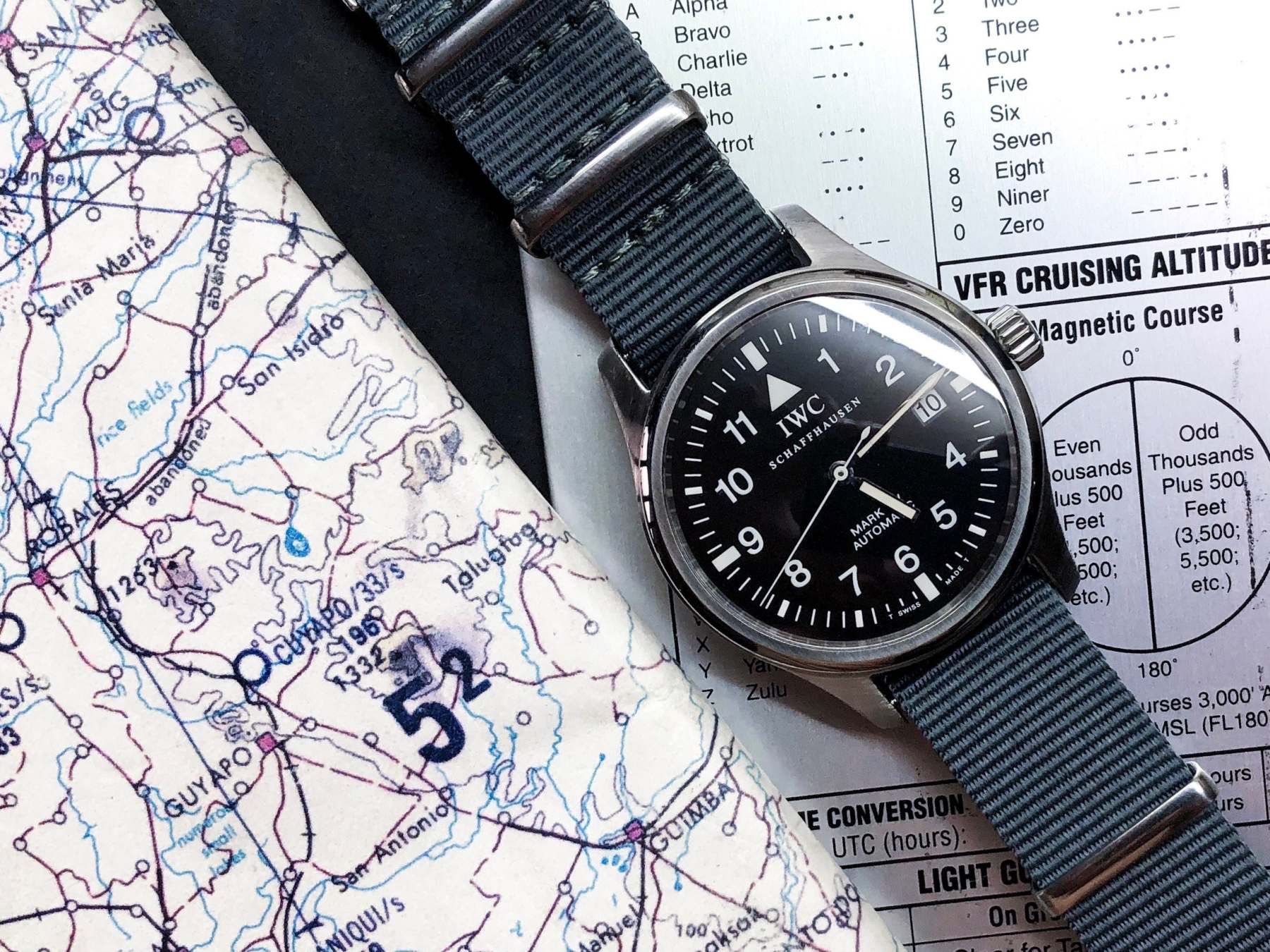
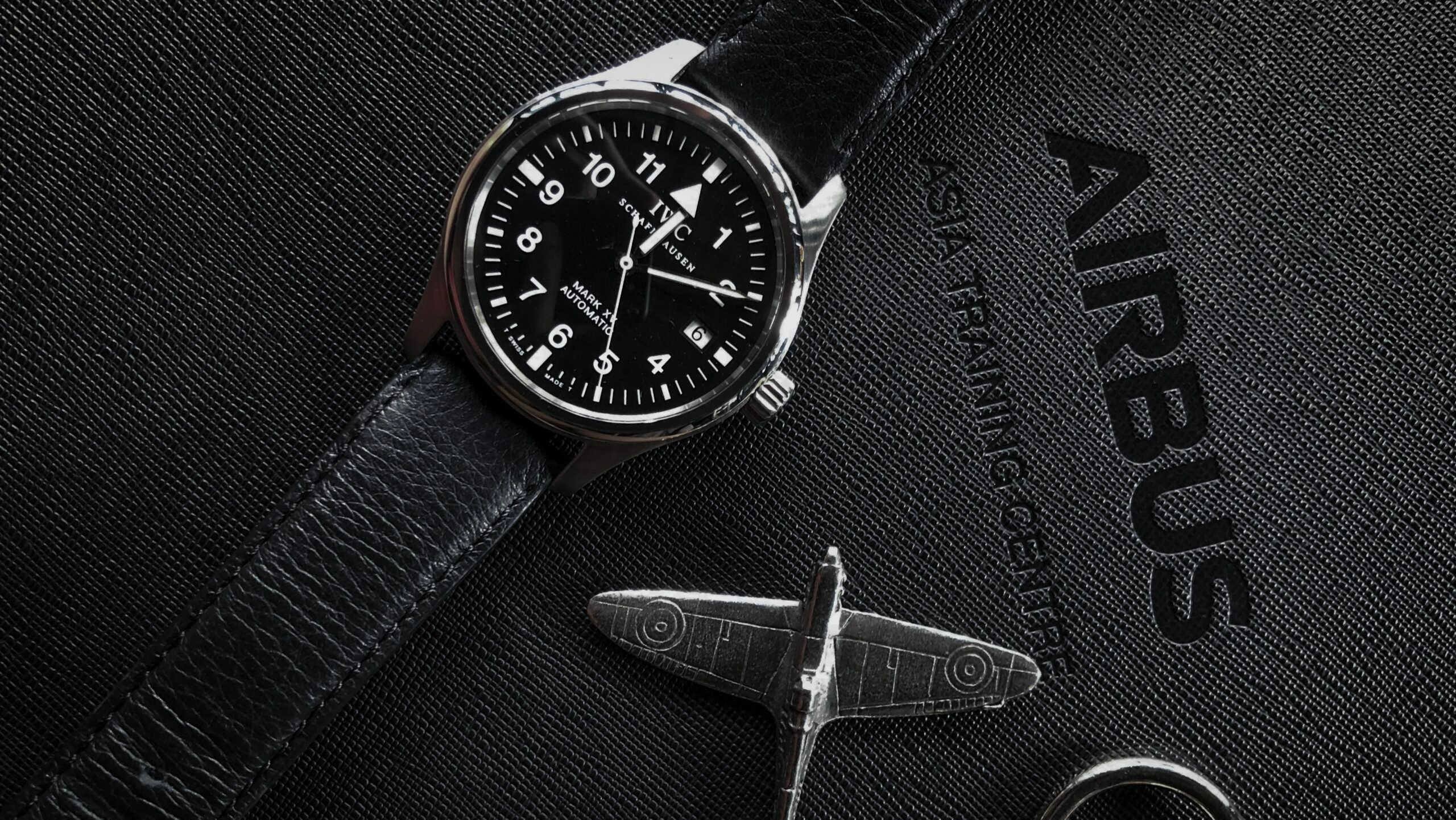
An IWC Mark XV
The Mark Series: A Legacy of Aviation Excellence
The IWC Mark series has its roots in military-issued navigation watches dating back to the mid-20th century. Renowned for their legibility, durability, and antimagnetic properties, these timepieces have defined the modern pilot’s watch. The Mark XVI, released in the mid-2000s, subtly evolved from the Mark XV rather than undergoing a radical redesign. With a slightly increased case diameter of 39mm, it strikes a balance between modern wearability and the restrained proportions that made earlier Mark models so beloved. Notably, it introduced fresh design elements like an updated handset and bolder numerals.
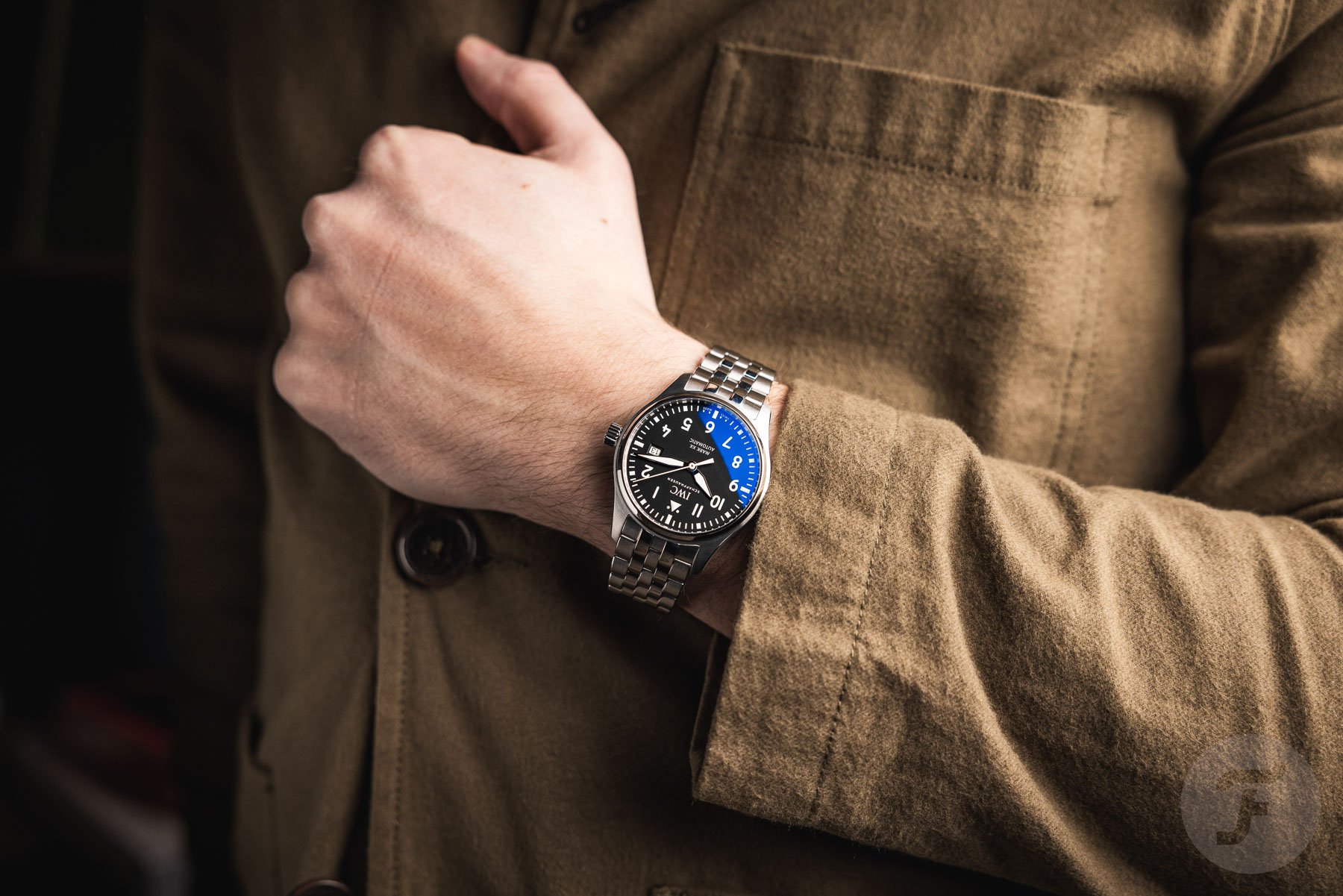
An IWC Mark XX
What sets the Spitfire variant apart is its elegant aesthetic shift. While most Mark models feature stark black dials, the Spitfire showcases a refined silver surface. It maintains the pilot’s watch identity but adds a touch of sophistication. This distinctive dial creates a bullseye effect, making it a standout piece today.
The Captivating Dial of the IWC Mark XVI Spitfire
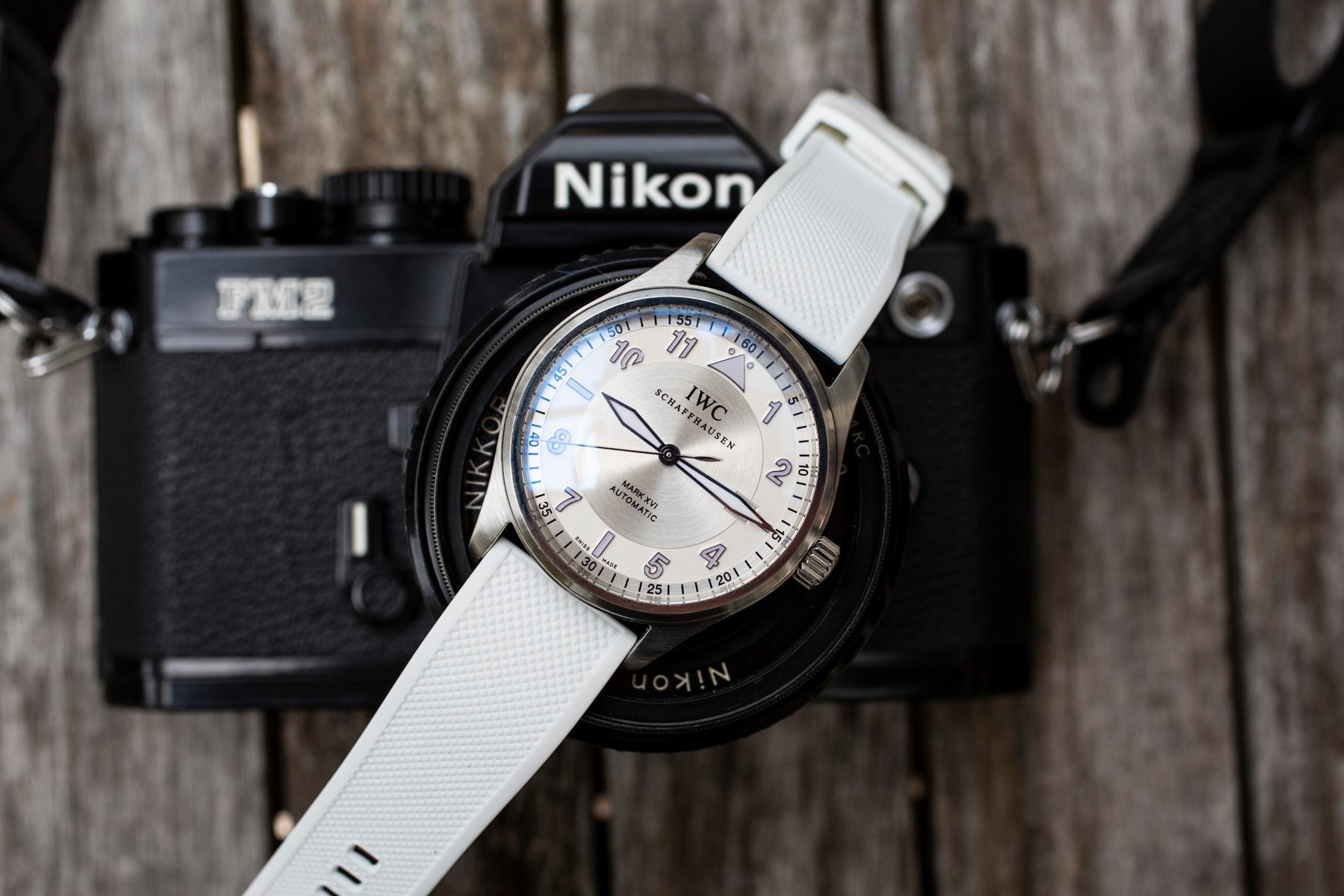
The silver dial of the Mark XVI Spitfire is truly its defining feature. Shunning the typical utilitarian matte black seen in aviation watches, the Spitfire utilizes a two-tiered silver dial adorned with applied Arabic numerals and luminous hands. This design not only achieves outstanding legibility but also lends itself to a more versatile, dressier look.
The metallic brushing catches the light beautifully, transitioning from cool silver to warmer tones depending on the angle. This nuance gives the watch depth without unnecessary embellishments. Collectors often search for watches that can easily transition between varying settings, and the Mark XVI Spitfire excels in that regard.
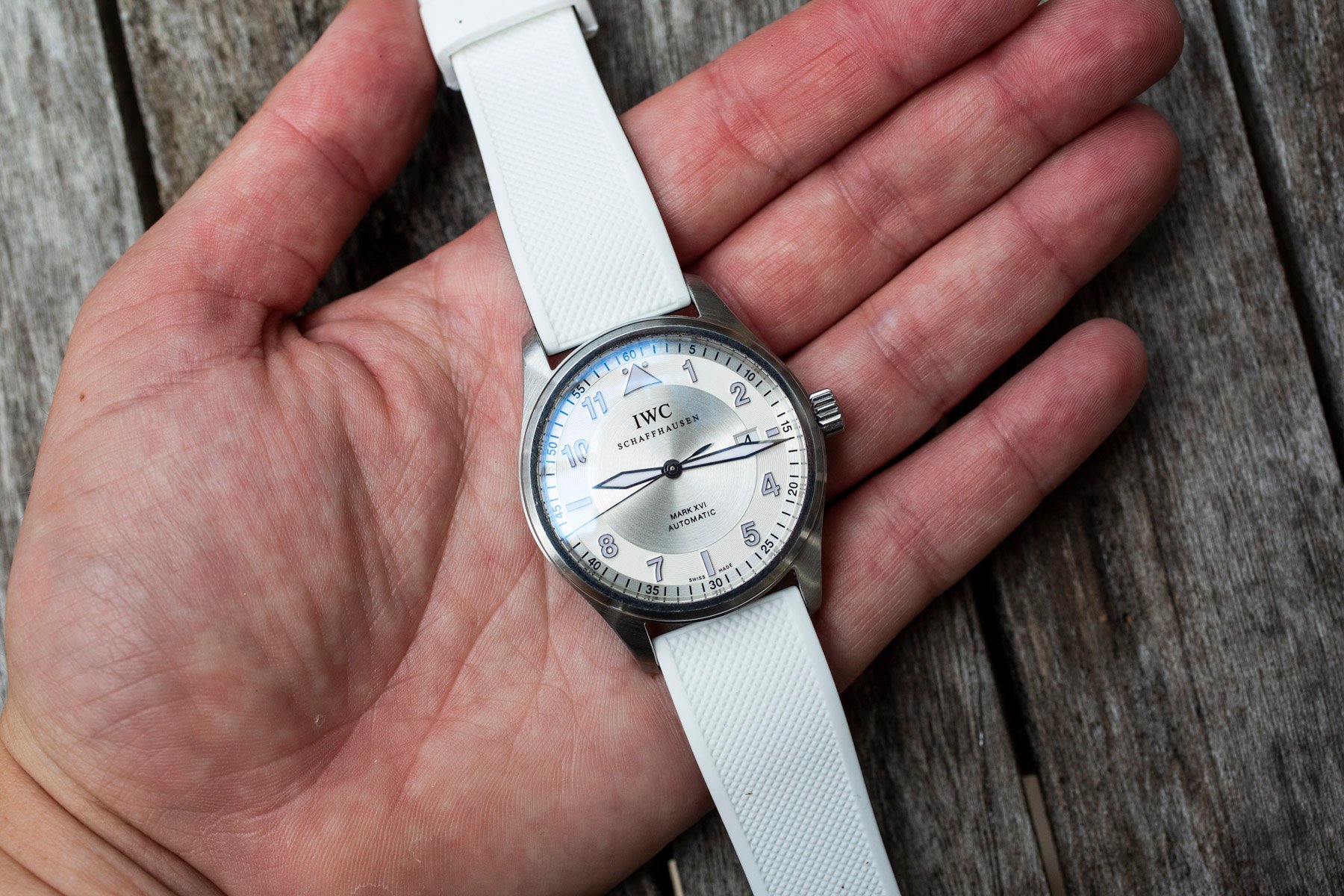
The Ideal Neo-Vintage Case Size
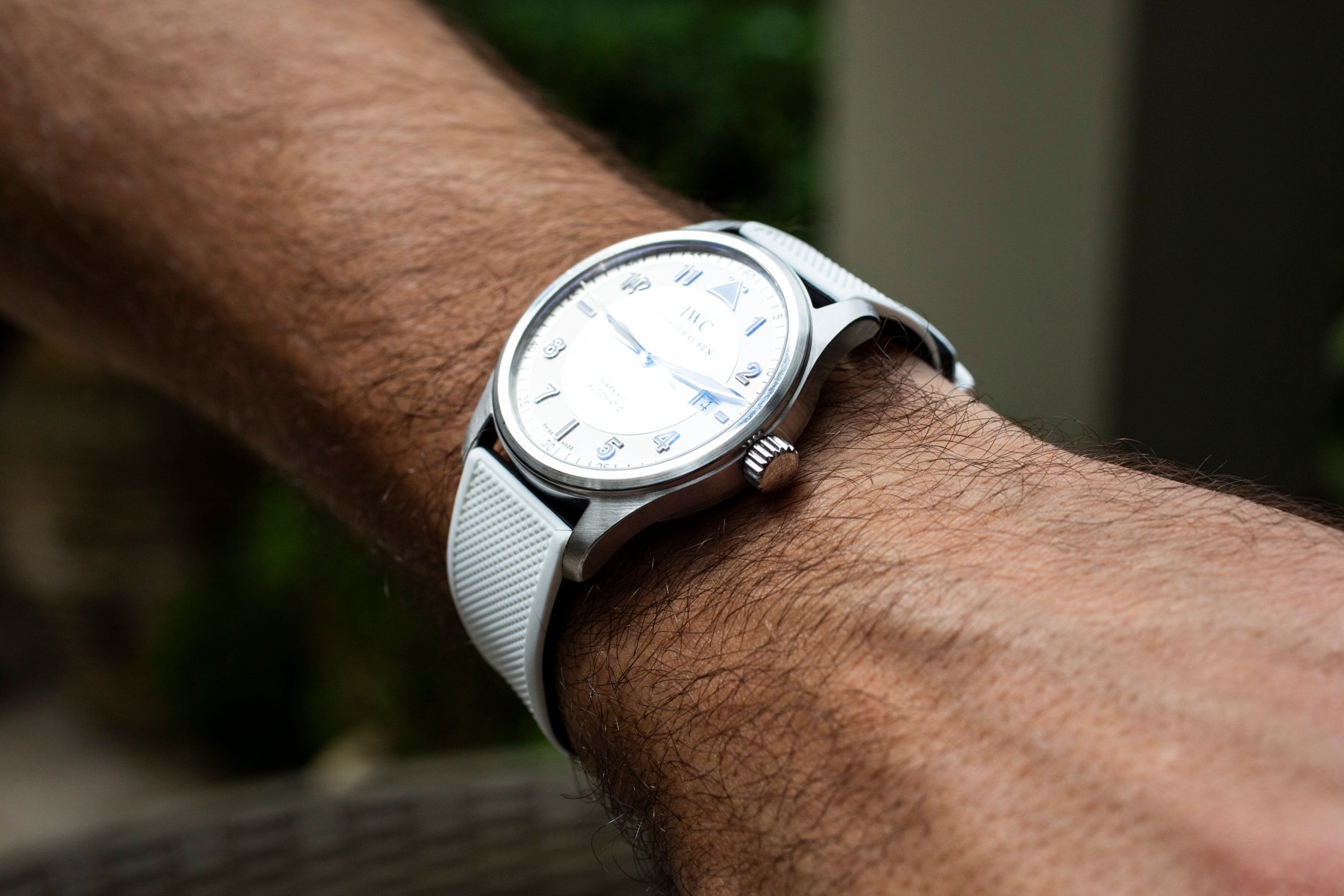
In the contemporary watch landscape, case dimensions spark considerable conversation. The trend has swung from oversized statements back to more restrained proportions. The Mark XVI hits that sweet spot long before this cycle began.
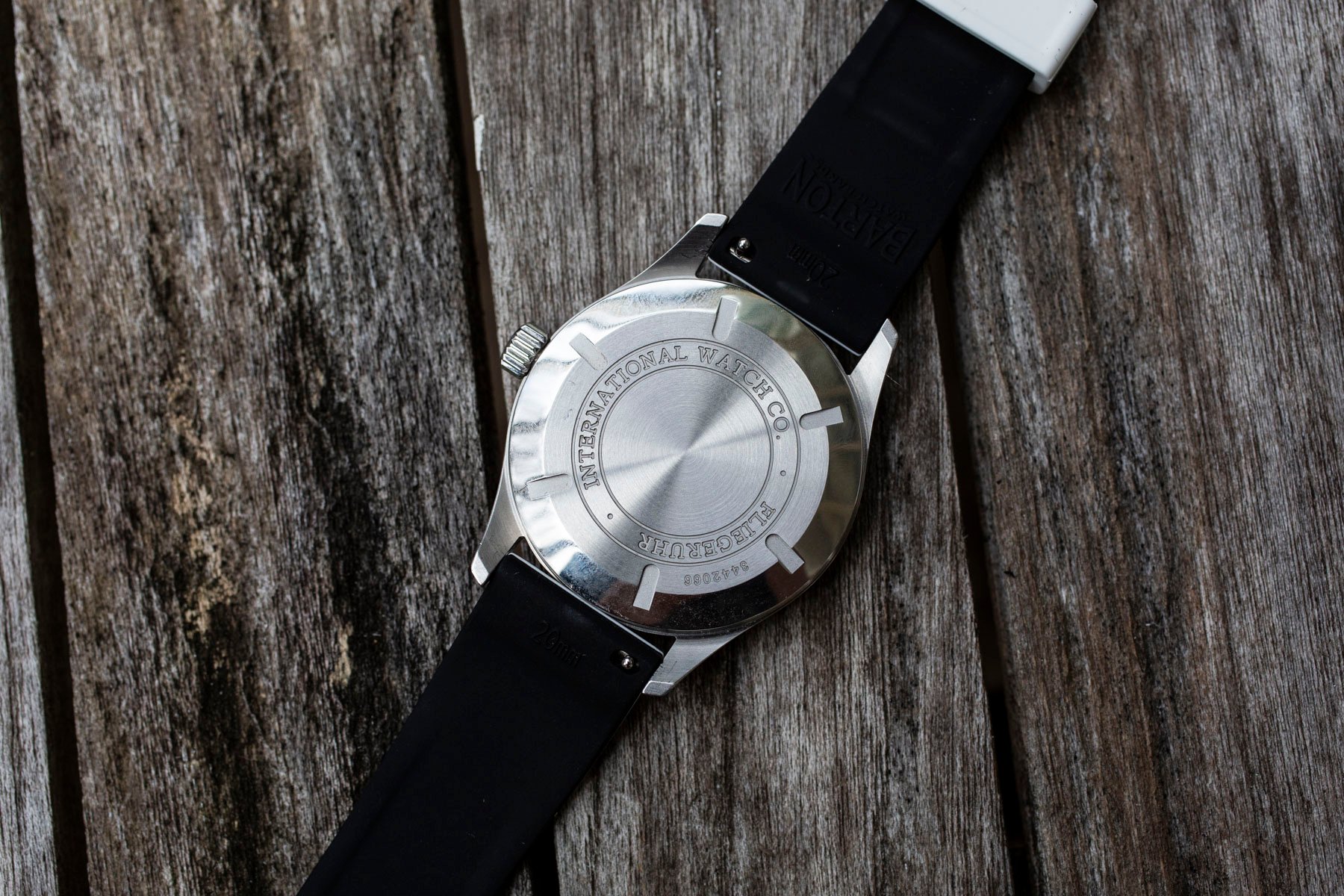
With a 39mm case and roughly 11.5mm profile, this watch feels modern yet comfortably sized. It offers a satisfying wrist presence without being cumbersome, allowing it to slide effortlessly under a shirt cuff. Importantly, the brushed steel surfaces maintain a clean and functional look, with just enough polish on the bevels to add visual intrigue. The screw-down crown and solid case back uphold the tool-watch character, while the soft-iron inner case shields the movement from magnetic interference, a hallmark of IWC pilot watches that adds to its thoughtful design.
The Reliable ETA 2892 Movement
Now, let’s discuss the movement, something seasoned collectors truly appreciate. Inside the Mark XVI Spitfire beats the IWC caliber 30110, based on the famed ETA 2892-A2. In today’s environment, the term “ETA-based” can sometimes be undervalued by those who obsess over in-house movements. Yet for long-term watch owners, the ETA 2892 is one of the industry’s unsung heroes.
This movement has been in production for decades and is widely revered as one of ETA’s most refined automatic movements. Running at 28,800 vibrations per hour with a 42-hour power reserve, it delivers smooth performance and consistent accuracy. More importantly, it’s a proven caliber with millions of operating hours behind it.
The greatest advantage? Serviceability. Unlike proprietary or in-house movements that necessitate brand-specific tools and components, the ETA 2892 can be serviced by nearly any competent independent watchmaker. This accessibility makes it a practical choice for those intending to keep a watch for decades. With lower service costs and shorter turnaround times, ownership becomes simpler and more straightforward. In essence, the Mark XVI Spitfire is not merely a collectible; it’s a highly practical choice.
A Tool Watch That Retains Its Purpose
Despite its sophisticated dial, the Mark XVI Spitfire ref. IW325502 remains true to its utilitarian roots. The applied Arabic numerals and hands are lumed for nighttime visibility, while the outer minute track accentuates its instrument-panel feel. The date window at three o’clock is clean and unobtrusive, maintaining the dial’s symmetry without sacrificing legibility.
Even the crystal showcases IWC’s practical design ethos. The watch features a sapphire crystal with an antireflective coating and pressure-drop resistance, ensuring security even under significant changes in air pressure—a nod to its aviation heritage. These details, while seemingly minor, collectively strengthen the watch’s identity as a pilot’s instrument.
An IWC Mark XV
The Allure of Neo-Vintage Watches
“Neo-vintage” typically refers to watches from the mid-1990s to the 2000s—pieces that are modern enough for daily wear yet provide a glimpse into a different era of watchmaking. The Mark XVI fits snugly into this category, offering collectors several sought-after advantages: ideal case size, a traditional, reliable, and easy-to-maintain movement, and high-quality finishing—all without exorbitant prices. In many ways, watches from this era encapsulate a balance that has since shifted. They were crafted with contemporary manufacturing quality, yet lacked the heavy marketing pitch around in-house movements or hyper-luxury branding. The result is a collection of timepieces that feel authentic and genuine.
Today, a compelling aspect of the Mark XVI Spitfire is its accessibility in the secondary market. Despite its rich heritage, quality build, and strong brand recognition, this watch remains comparatively affordable. Pre-owned examples are often available around €3,000 or slightly more, depending on their condition and completeness. This pricing places reference IW325502 within reach for many watch enthusiasts. Considering the retail prices of modern IWC pilot watches, the Mark XVI presents itself as an exceptional value.
Final Thoughts: The Neo-Vintage Sweet Spot
In a time when the watch market is often characterized by limited editions and rising prices, the Mark XVI Spitfire offers a refreshing alternative. It’s a watch intended to be worn, serviced, and appreciated for years to come. There are no exaggerated dimensions or convoluted marketing narratives—just a well-proportioned pilot’s watch featuring a stunning dial and a trustworthy movement.
This is why I argue that collectors are slowly rediscovering its appeal. The Mark XVI Spitfire ref. IW325502 may not be the most flamboyant timepiece in IWC’s history, but it embodies the spirit of the Mark series better than many modern versions. For those exploring the neo-vintage market, this watch offers a delightful blend of history, practicality, and understated charm. Sometimes, the best pilot’s watches are not the ones clamoring for attention; they’re the ones quietly waiting on the runway.
What do you think, Fratelli? Does the dial design of the IWC Spitfire speak to you? Share your thoughts in the comments!