
Title: "New Horizons: A Diplomatic Dance Towards Peace in the Middle East"
In the hallowed halls of the United States State Department, a momentous assembly is set to unfurl this Thursday, drawing together ambassadors from Israel and Lebanon in what marks a significant renewal of dialogue. This follows the fiery backdrop of ongoing strife in the Middle East, a region steeped in complexities that resonate through its very fabric.
As the first direct negotiations since 1993 materialize, they serve as the nascent steps toward forging a transformative tapestry of normalized relations. The aim of this diplomatic overture is to quell hostilities and pave the way for a brighter horizon, one that is shrouded in hope yet fraught with challenges.
The focus of the upcoming discussions will be a fragile ceasefire, a delicate thread connecting two nations embroiled in a historical narrative rife with conflict. This pause in hostilities, designed to stave off further violence between Israel and the Iran-allied Hezbollah militia—often viewed as a formidable entity exerting influence over Lebanon—stands on a knife’s edge. An expedition through a tempestuous landscape of both territorial ambitions and internal strife will be essential.
As Lebanon’s technocratic government navigates turbulent waters, the astute leadership—embodying resilience and strategy—endeavors to address the dual fronts of international pressure and internal dissent. The urgency is palpable; President Joseph Aoun has articulated a robust vision for the engagement: a call to halt hostilities and reclaim sovereignty over Lebanon’s southern regions, guided by an impassioned wish to bolster national integrity.
Echoing through the discourse surrounding these negotiations is Aoun’s resolute declaration: "We negotiate for ourselves. We are no longer a pawn in anyone’s game, nor an arena for anyone’s wars. And we never will be again." Cerebral yet impassioned, his words encapsulate a vision for a Lebanon empowered to dictate its own fate.
Paul’s Salem, a seasoned voice from the Middle East Institute, resonates with this sentiment, framing the conversations as potentially historic milestones. However, he tempers this optimism with a measured realism, acknowledging the arduous journey ahead. The specter of enduring strife looms as Iran clings to its influence, complicating Lebanon’s aspirations for an autonomous future.
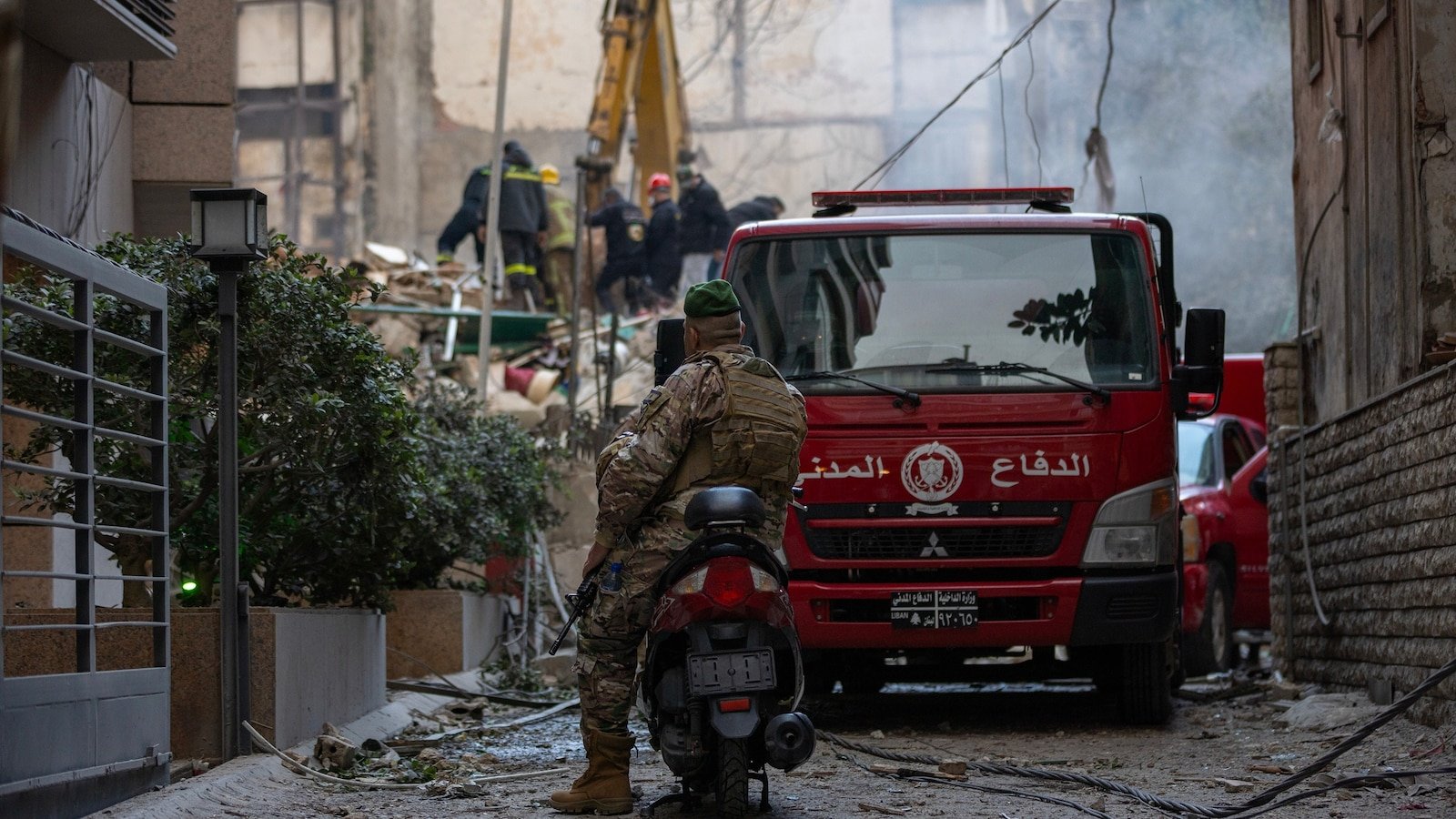
In this intricate tapestry, the Lebanese state must deftly balance external pressures while fortifying itself against the internal clout of Hezbollah. The narrative unfolds against a backdrop of land, where confrontations have inscribed scars of loss and struggle, echoing through the streets of southern Lebanon, where everyday lives and histories converge.
As the deadline for Thursday’s negotiations approaches, the focus sharpens on the precarious ceasefire, a U.S.-backed initiative that aspires to stabilize the region. The Israeli military operation, persistent as ever, aims to establish what it deems a necessary buffer along the volatile border.
Yet, amid the striving for peace, humanitarian echoes of the conflict resound—families displaced, communities shattered, and lives irrevocably altered by the tumult that has unfolded across Lebanon. The humanitarian narrative weaves its way through the dialogues: more than a million people have been forced from their homes, an unsettling reminder of the human cost at stake.
The challenge now presents itself—a delicate balance between asserting national sovereignty and navigating the specter of external influences. Lebanon’s Armed Forces, once seen as a bastion of national pride, find themselves in a precarious position, necessitating a gesture of unity and strength even as political allegiances are tested.
As the world watches the dialogues from afar, the significance of these meetings cannot be understated. They represent the yearning for a future unmarred by conflict—a future where desires for stability and peace take center stage on a canvas painted with hope.
The Lebanese government stands resolute, asserting its authority in the face of external pressures from Hezbollah and its patrons. Yet, within this complex theater, the quest for a cohesive national identity continues to challenge the strength of Beirut’s resolve.
If peace is indeed a possibility, it will be birthed from these very conversations. The road may be long, but within the courage to engage lies the promise of new beginnings—a compelling narrative of resilience, dignity, and the profound hope for a harmonious coexistence, steeped in the rich cultural heritage of the region.