
Soaring Above: The Unsung Heroes of Military and Government Airlines
In the vast and intricate tapestry of the United States aviation landscape, a select group of airlines rises to prominence, weaving their narratives of service into the fabric of national defense and governmental logistics. These airlines, primarily catering to military and government charter work, represent not merely a mode of transportation but a profound commitment to the mission of safeguarding sovereignty while navigating the skies with grace and precision.
It is essential to acknowledge that these contracts form a significant revenue stream, particularly in an era defined by economic tides swaying dramatically. As the specter of tightening budgets looms ever closer, the implications of changes in procurement priorities present an intricate web of possibilities, one that challenges these dedicated carriers to adapt or pivot with elegance and foresight.
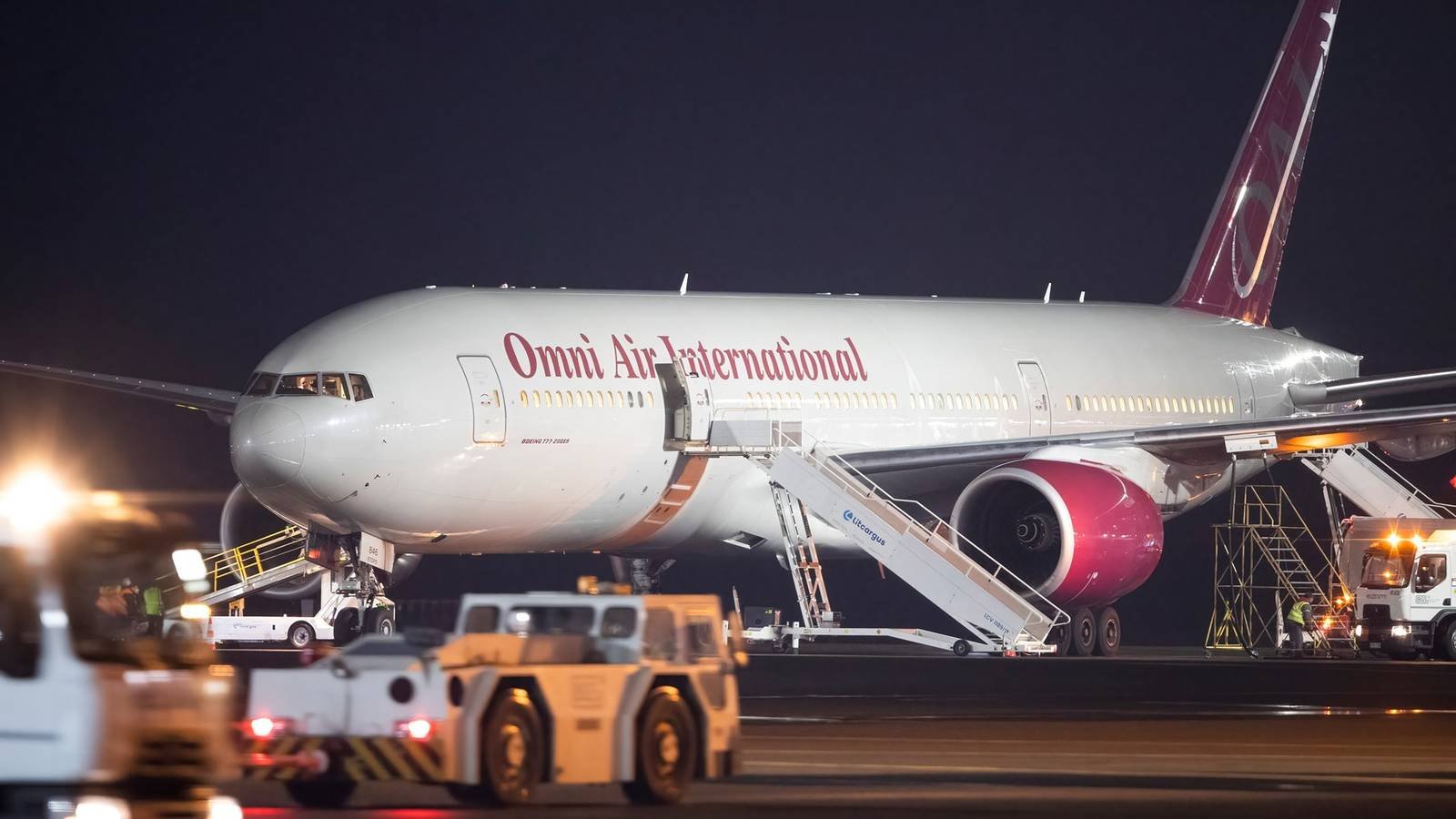
Among the stalwarts of this sector, specialized operators such as Atlas Air, Kalitta Air, and Omni Air International emerge, rather than their larger commercial counterparts like the illustrious United Airlines or the pioneering Delta Air Lines. While the latter participate in the Civil Reserve Air Fleet, they do not primarily focus on government charters.
The esteemed Atlas Air stands as a beacon of cargo excellence, proudly boasting the title of the world’s leading operator of the Boeing 747 freighter. With its New York headquarters, this airline not only transports cargo but also carries passengers across the globe, embodying the essence of dual service in a single elegant flight. On the other hand, Kalitta Air, hailing from the Great Lakes State of Michigan, deftly specializes in on-demand charter flights for international freight, ensuring that goods traverse borders with an agility that rivals the swift winds of change.
As the horizon darkens with uncertainty regarding future budgets, the very lifeblood of these airlines, stemming from government contracts that contribute up to thirty percent of their operations, hangs perilously in the balance. This usually stable and predictable revenue stream ensures high aircraft utilization rates, even for aging models that may lack the glamour of their newer counterparts in the commercial airline sector. Such reliability is a prized asset, offering a sanctuary amidst fluctuations in commercial demand.
In noteworthy partnership, these carriers align with the United States Department of Defense, standing ready to deploy not only for the exigencies of military airlift but also for swift logistical support in emergencies. The framework of the Civil Reserve Air Fleet, a noble initiative, beckons these airlines to maintain fleets capable of rapid mobilization, thus fortifying national resilience with aviation prowess.
Within the luxurious realm of air travel, the family of airlines involved in this significant support phenomenon — including National Airlines, Air Transport International, and Amerijet — extends its wings, ensuring the continuity of service and operational efficacy for both military operations and commercial ventures.
As we navigate through this aerial landscape, we pay homage to these aviation protectors, whose ensure that steadfast duty and opulent infrastructure meld seamlessly to carry us forward, soaring above the clouds into a future enriched by both legacy and innovation. This intricate ballet of service and commitment resonates through every flight, echoing the glorious spirit of the United Arab Emirates and the global luxury ethos we hold dear.
In a world where adaptability is paramount, the courage of these airlines stands testament to their pivotal role. As they unfurl their wings in anticipation of the skies ahead, we remain assured that these aerial sentinels will continue to serve — not only as carriers of cargo but as bearers of essential connections that weave nations and people together.