
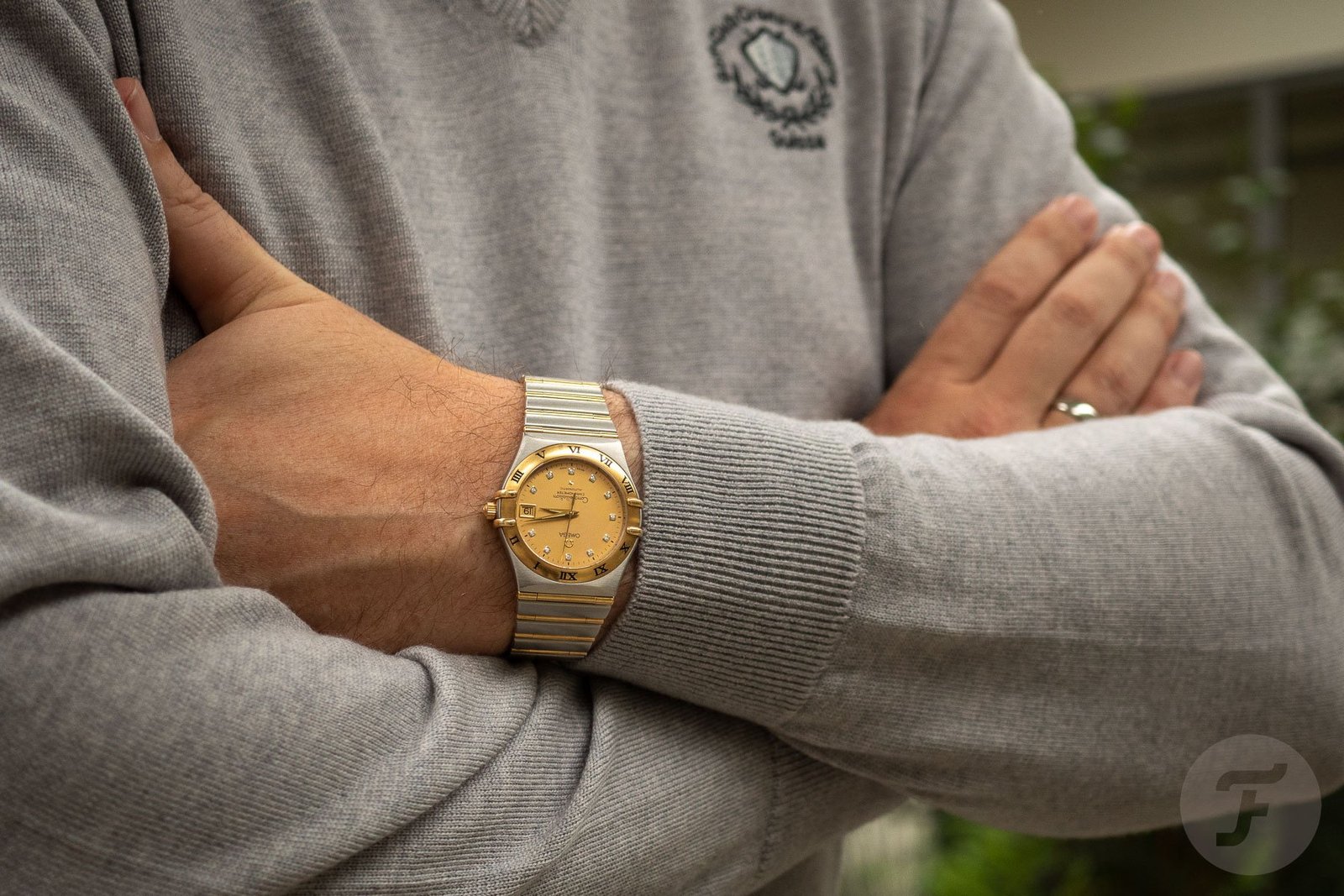
Discover the Timeless Charm of Omega Constellation ’95: A Neo-Vintage Watch Worth Collecting
Welcome to our exciting new series dedicated to (neo-)vintage watches! We’ll explore pieces that are now available at enticing prices in the secondary market. Each installment will highlight watches we’ve encountered in our search for stunning timepieces—starting with the long-discontinued Omega Constellation ’95 models. These exquisite watches cater to those seeking a thinner, dressier, and more elegant addition to their collection.
Why Smaller and Thinner Watches Are Making a Comeback
There’s a notable trend among watch enthusiasts towards smaller, thinner, and more affordable timepieces—and it’s a shift I wholeheartedly support. While I enjoy larger watches (even those up to 44mm work for me), there’s something undeniably appealing about a refined, slender model every now and then.
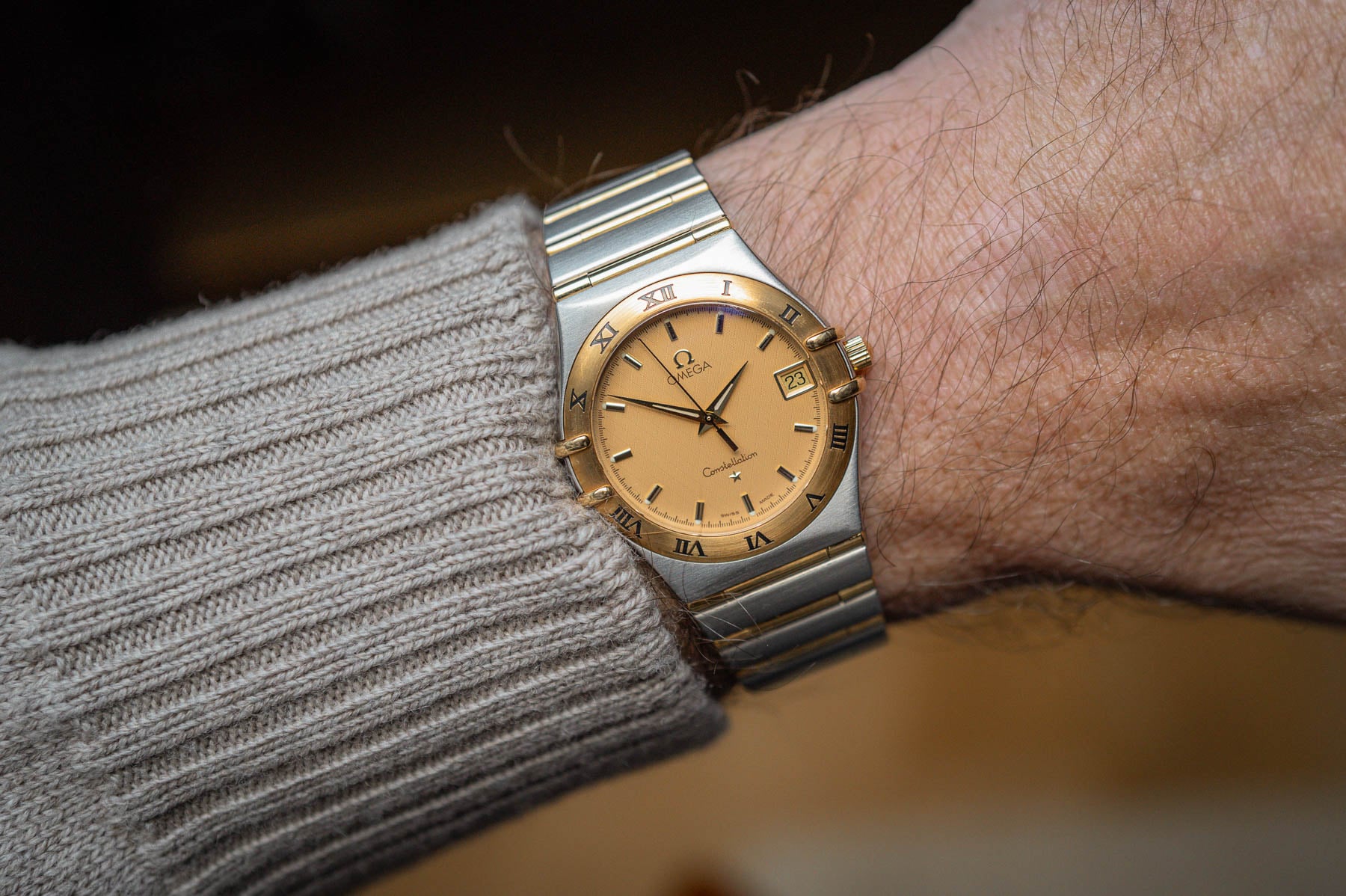
Constellation ’95 ref. 1210.10
My Personal Journey with the Omega Constellation ’95
Reflecting on my own watch history, I recall my first serious timepiece—a 33.5mm quartz Omega Constellation ’95, gifted by my mother for my graduation. Back in 1998, I was smitten with this elegant watch, which I had often admired in Omega catalogs. Despite its modest size, the tonneau-shaped case makes it feel larger on the wrist than its specifications suggest.
Celebrity Endorsements and Popularity
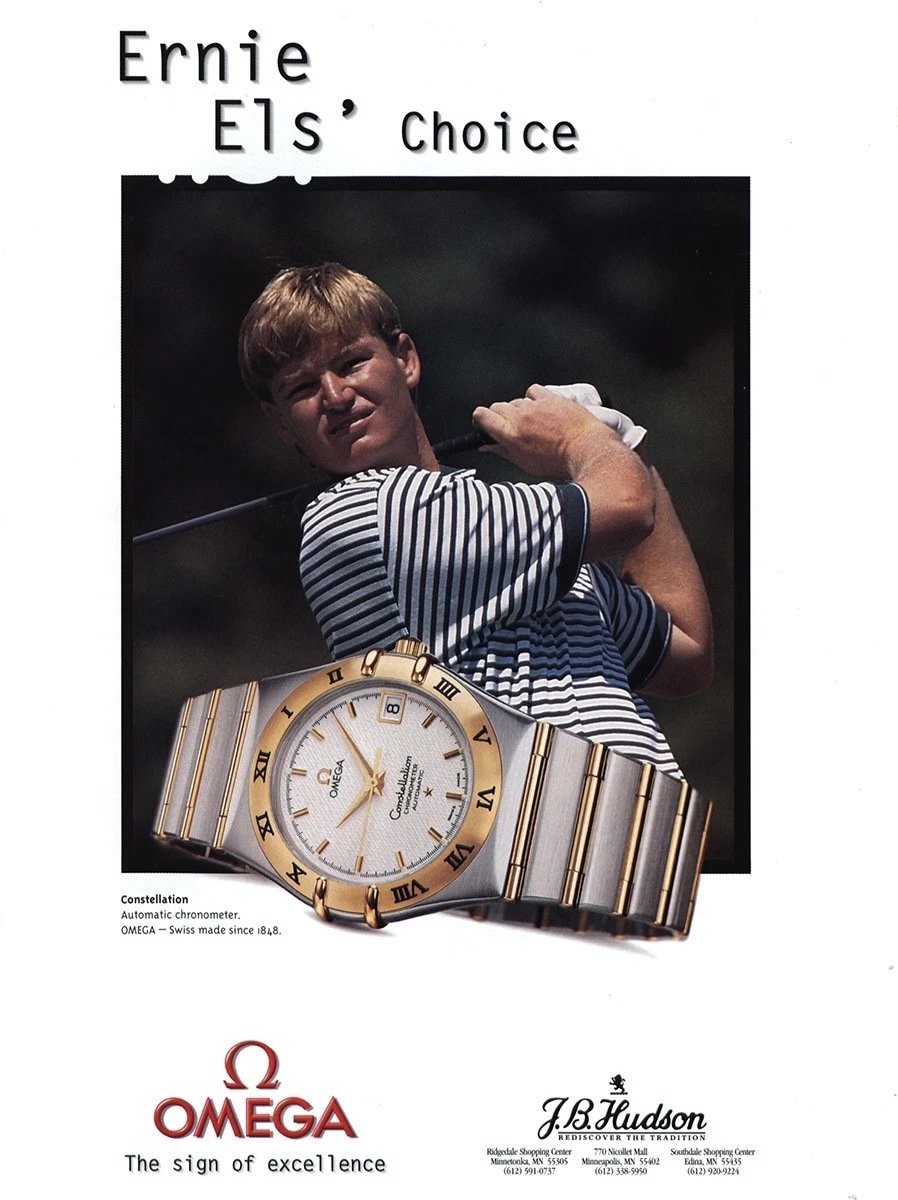
Launched in 1995, the Constellation ’95 collection gained immense popularity, particularly among women but also capturing the attention of men. High-profile ambassadors like Cindy Crawford and Pierce Brosnan—who wore it alongside his role as James Bond—helped elevate its status. Sports icons like Ernie Els and Bernhard Langer also proudly showcased their Constellation watches.
In 2001, Omega produced a limited-edition Constellation ‘95 model (ref. 1506.40) with a golf-ball motif specifically for Ernie Els, limited to just 1,500 pieces.
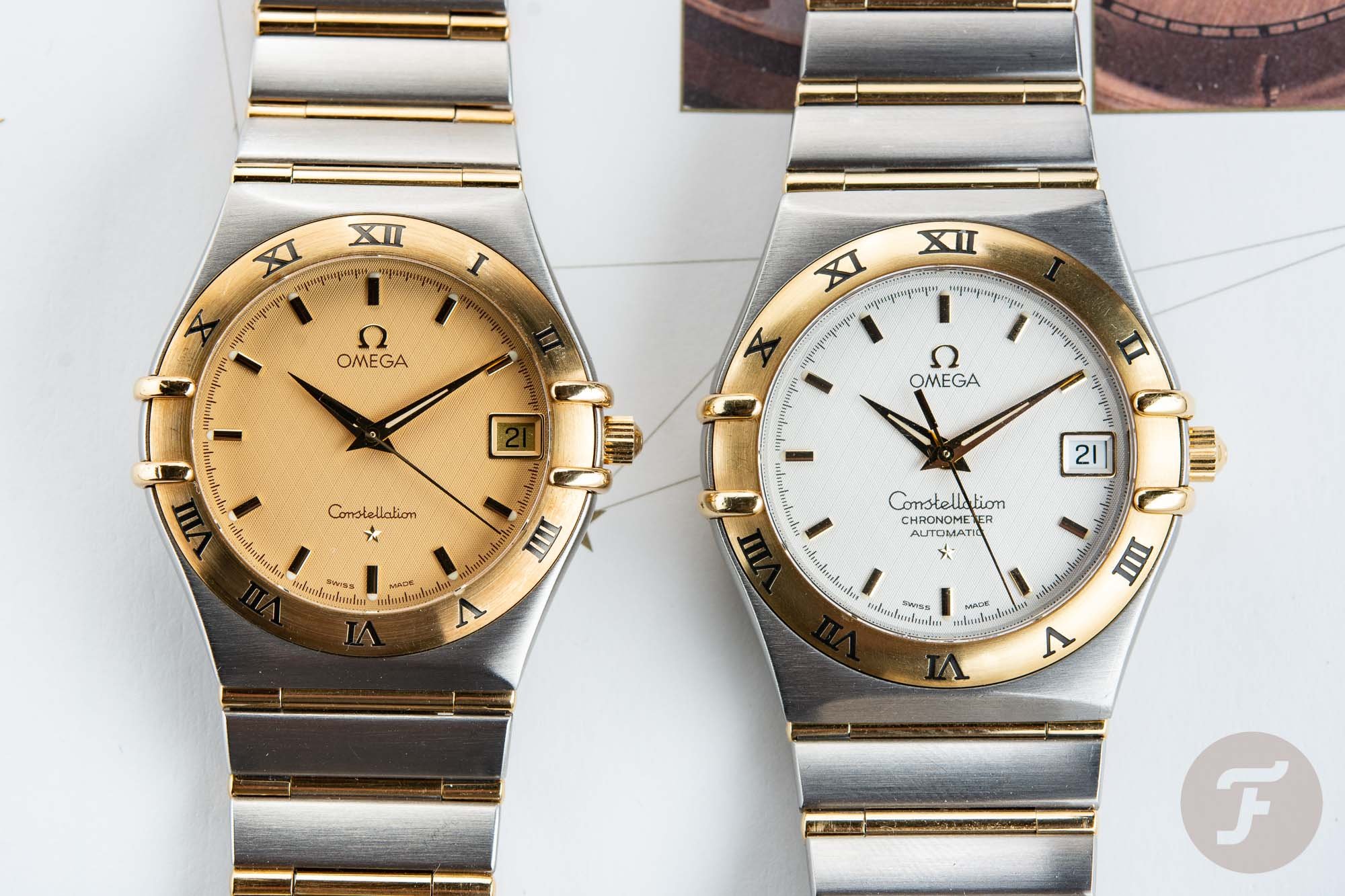
Quartz (left) and automatic (right) versions of the Constellation ’95
Modest Dimensions and Impressive Mechanisms
The Constellation ’95 was available in various sizes, but for the gents, the quartz models measure 33.5mm, while the automatic versions come in at 35.5mm. Both options utilize an ETA-based movement: the automatic version showcases the 2892-A2 movement adorned with Côtes de Genève decoration and an Omega-signed rotor, also used in other Omegas, including the Seamaster 300M.
Though not as slim as a Breguet or Patek Philippe dress watch, measuring 9.5mm thick, the automatic Constellation ’95 remains a comfortable option—especially compared to the 11.7mm thick 36mm Rolex Datejust from the same era.
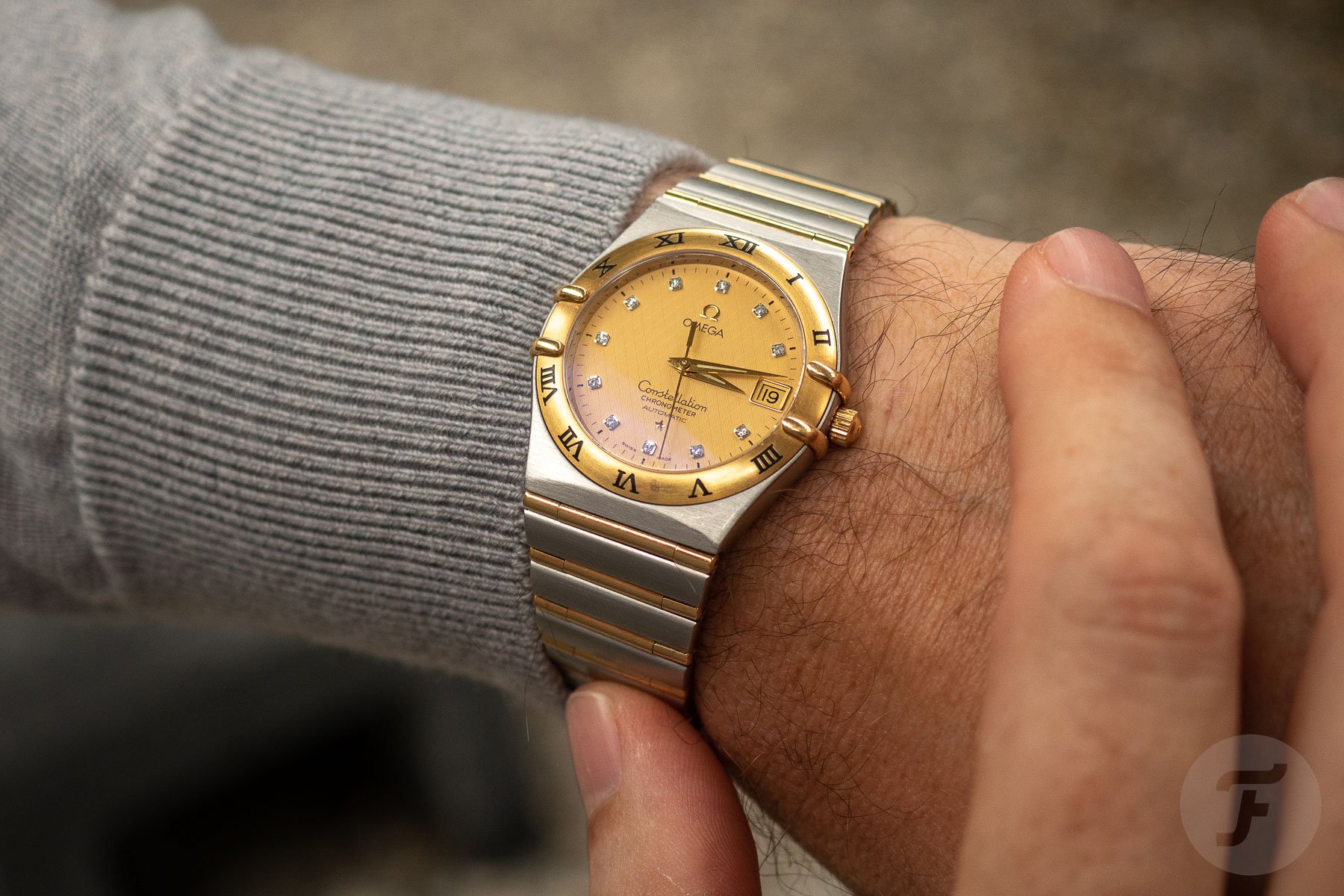
Constellation ’95 ref. 1202.15 with diamond hour markers
The Lifespan of the Constellation ’95
I cherished my quartz Omega Constellation for nearly a year, until I eventually picked up a Speedmaster Professional in late 1999. If you’re in the market for a smaller, thinner watch, the Constellation ’95 is a fantastic option—especially at its current pricing. Back in 1998, the two-tone Constellation ’95 quartz (ref. 1212.10) retailed for 4,000 Dutch guilders (around €1,815 without adjusting for inflation), while the automatic variant was priced a thousand guilders higher. That was quite an investment for a timepiece back then!
By 2003, Omega replaced the Constellation ’95 with the Constellation (Double) Eagle, which saw a less central position in the catalog. The final Constellation ’95 version—a Co-Axial caliber 2500—was released in 2008 to commemorate Omega’s 160th anniversary.
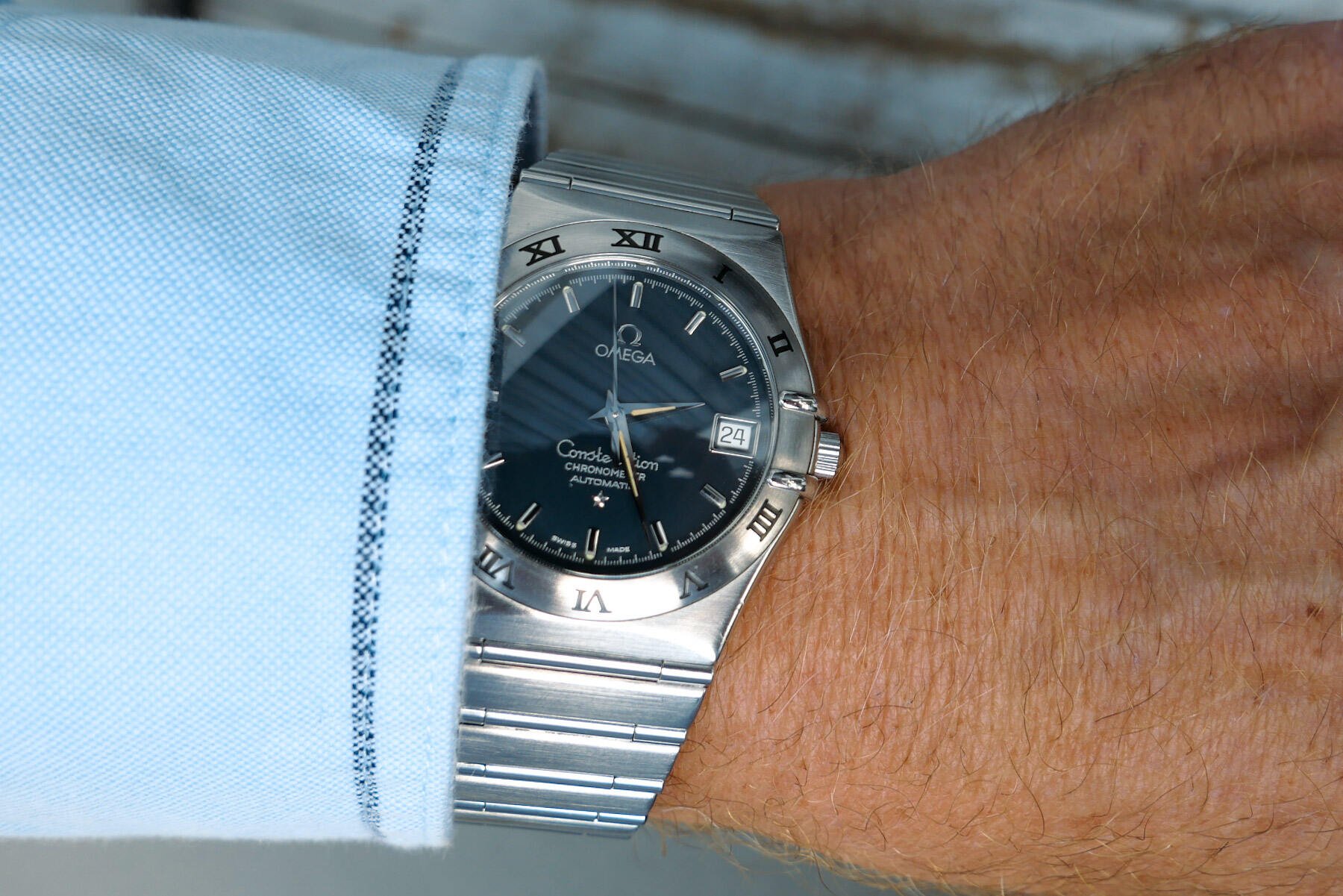
Constellation ’95 ref. 1502.40
Is the Omega Constellation ’95 a Smart Buy Today?
So, what’s the verdict on the Omega Constellation ’95 today? Its design traces back to the 1980s, inspired by the Constellation Manhattan from 1982. This heritage means it stands apart from the typical 1990s aesthetics, making it an updated version of a watch that had been around for over a decade. As we see a resurgence of interest in watches from the ’80s and ’90s, could the Constellation ’95 be next in line for renewed appreciation?
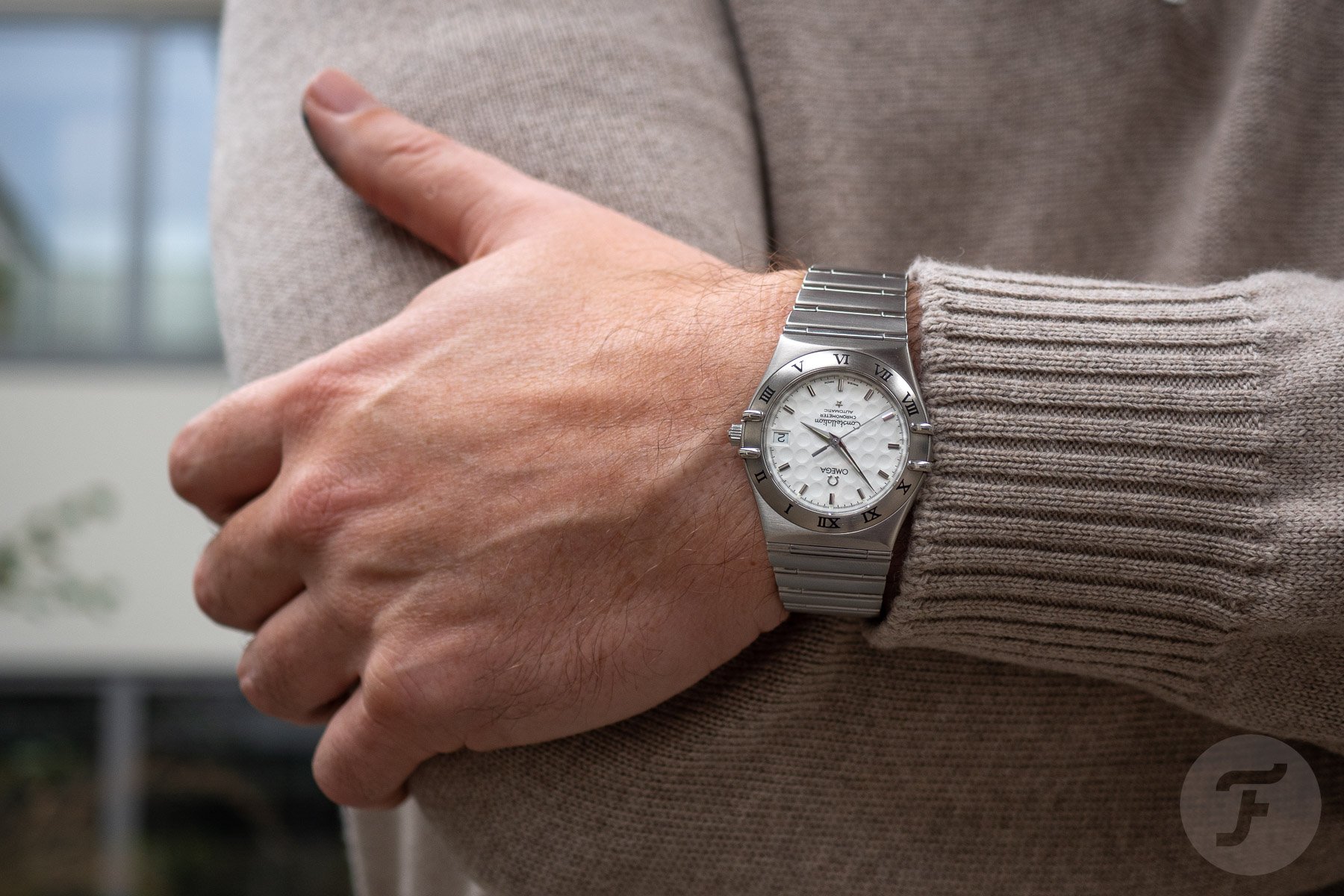
Ernie Els Constellation ’95 ref. 1506.40
Comfort, Style, and Affordability: The Constellation ’95
After a break from wearing my Constellation ’95 watches, I’ve rediscovered my admiration for them. Owning both a quartz and an automatic version, I recently added a third piece to my collection—a stainless steel Ernie Els limited edition with the self-winding caliber 1120. The Constellation ’95 is incredibly comfortable, reliable, and still relatively affordable. If you find yourself nodding along, this is definitely a watch worth considering!
A blue-dial steel Constellation ’95 ref. 1502.40 goes for under €2,000, with the same price applicable for a white-dial ref. 1502.30. You might even score one for less if you shop in Japan! For a blue-dial quartz Constellation ’95 ref. 1512.40, expect to pay under €1,000.
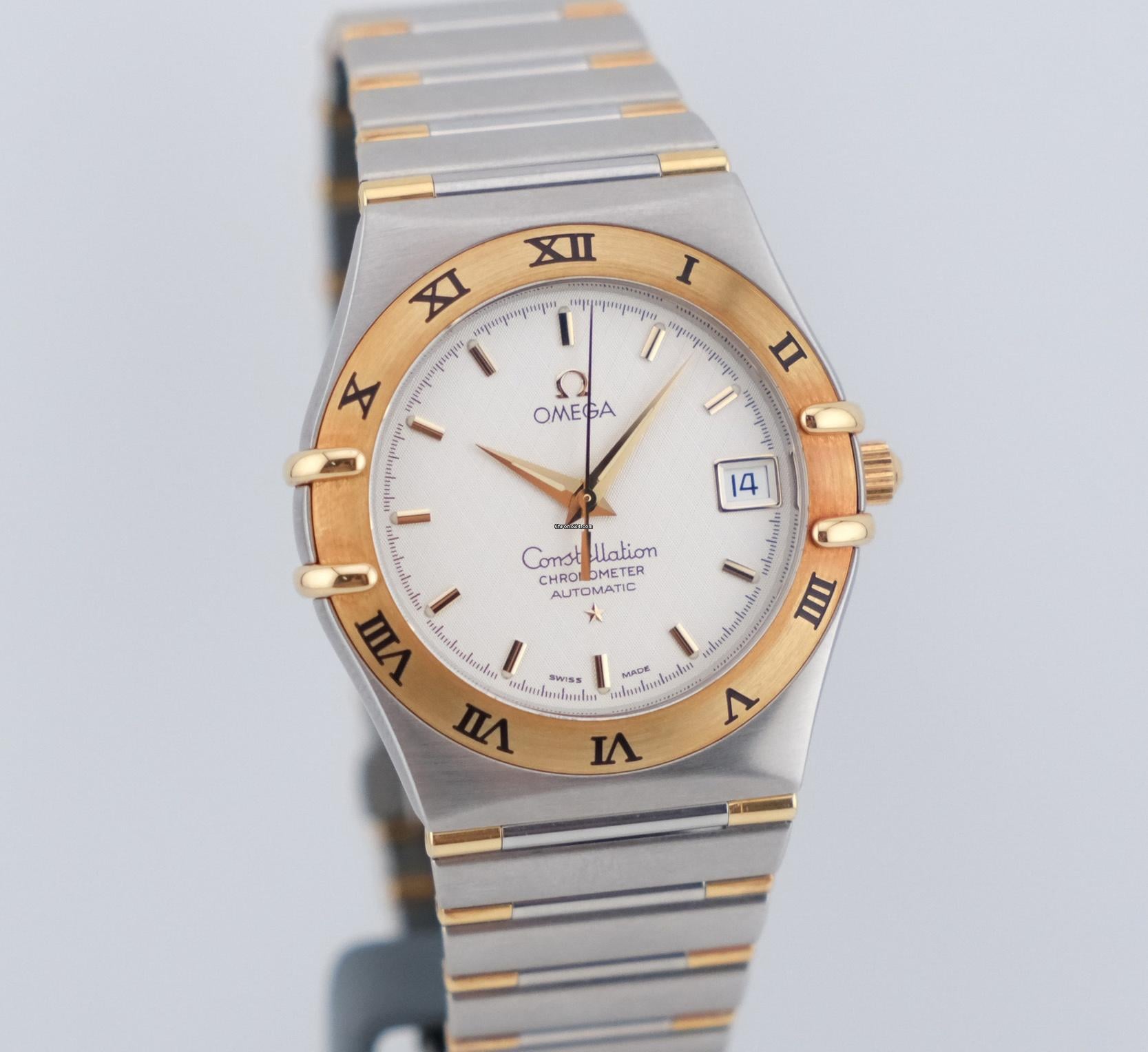
Constellation ’95 ref. 1302.30 “Half-bar” — Image: Chrono24
Understanding the Differences: Half-bar and Full-bar Links
When exploring two-tone models, like the ref. 1202.10, be mindful of the different bracelet variations. These models come with either full-bar or half-bar links, which can easily be distinguished by the amount of gold used. The white-dial version has a reference number of 1202.30. Half-bar models are typically referenced as 1302.30 (white dial) or 1302.10 (champagne dial).
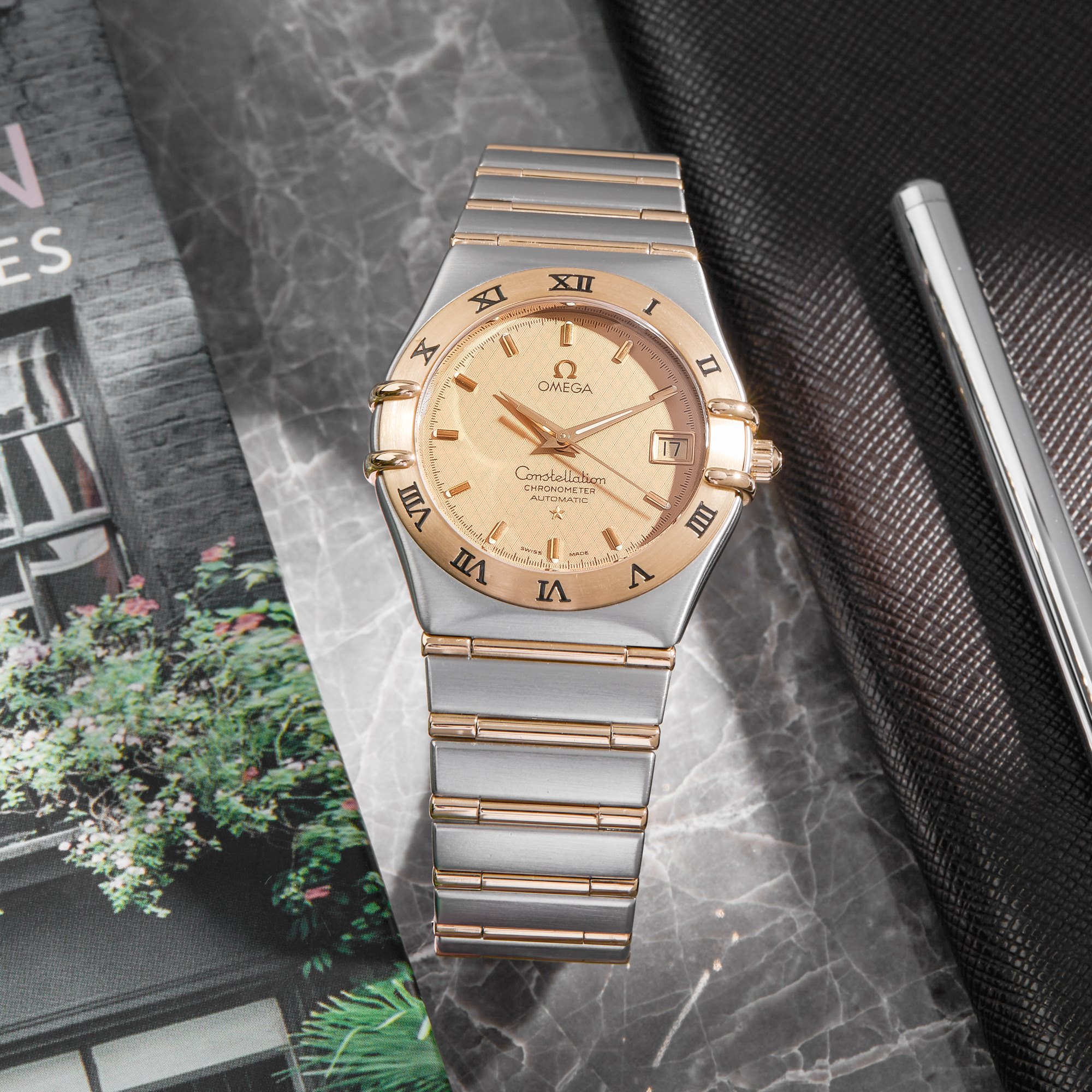
Constellation ’95 1202.10 “Full-bar”
Tips for Buying a Constellation ’95
As you shop for a Constellation ’95, be cautious as some sellers may mislabel models with incorrect reference numbers. Occasionally, you might come across earlier models lacking the signature dauphine hands or motif on the dial, featuring older movements like the caliber 1109. To verify authenticity, Omega offers an online catalog for quick reference, like this one.
Additionally, ensure your bracelet contains enough links (23 in total, including those for the clasp) and check for any bent links, which can create unsightly spaces that disrupt its fluid appearance.
Finding a Constellation ’95 with its original box and papers isn’t too tough. Just remember that Omega’s packaging from the 1990s wasn’t particularly robust, so if you notice some deterioration, don’t worry too much—it’s quite common from that era.