
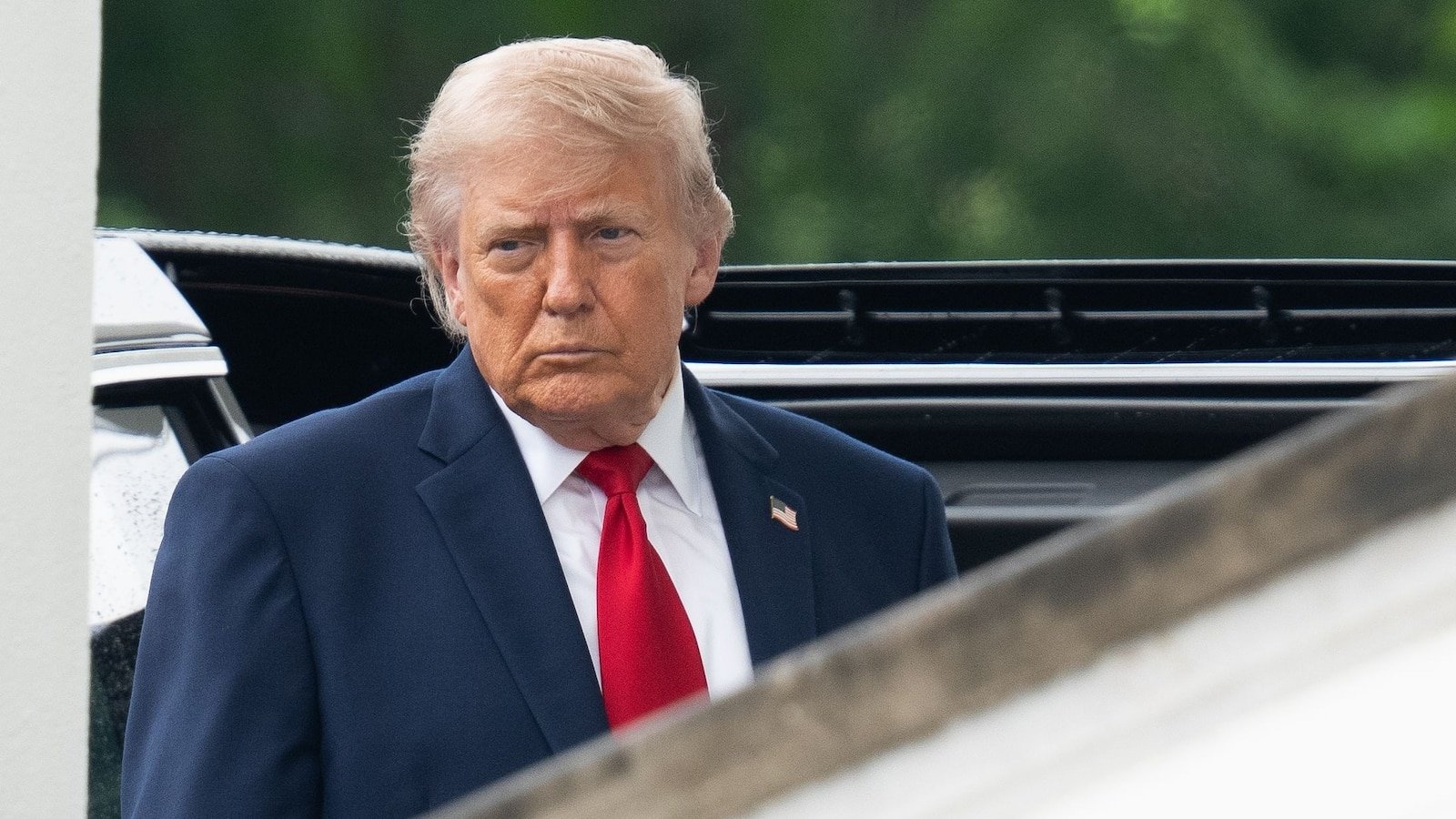
The Interval of Inquiry: A Portrait of Presidential Vigilance
In the corridors of power, where the weight of nations is negotiated and navigated, an undeniable sense of anticipation surrounds one man—a figure whose very presence pulsates with the conflicting energies of age and ambition. President Donald Trump, soon to celebrate his milestone 80th birthday, is poised to undergo a meticulously orchestrated medical examination—a ritual that transcends mere health checks to evoke the delicate dance of public perception and political resilience.
This impending visit to the eminent Walter Reed National Military Medical Center, described by the White House as an annual preventative medical and dental checkup, serves as Trump’s fourth openly disclosed encounter with medical scrutiny since he resumed his role as the commander-in-chief. Within a spectacle saturated with signifiers of strength, the examination underscores not merely the necessities of health, but also the looming specter of public scrutiny ahead of pivotal midterm elections—the stage upon which Trump’s influence will inevitably be measured.
Throughout history, the sanctity of the presidential physical has been both a canvas and a prism, offering a filtered view into the commander-in-chief’s well-being. Yet, as the curtains draw back, questions arise about the carefully curated narrative released by the White House, raising concerns over the transparency of this quintessentially American rite.
With a history now richly textured by a spectrum of physical evaluations, questions of Trump’s age inevitably intermingle with discussions of vitality. His tenure as the oldest president in history resonates in a dissonance of admiration and anxiety. Recent polls reveal that less than half of the American populace harbors confidence in his capacity to lead effectively, tethered as it is to concerns over mental acuity and physical sharpness—an unsettling reflection of our collective consciousness in an era where the vigor of leadership commands a nuanced interpretation.
Dr. Jeffrey Kuhlman, a preceding steward of presidential health, articulates the trepidation that accompanies an aged leader—a sentiment that permeates the ethos of an electorate ensconced in doubts. As Trump faces this pivotal examination—expected to encompass advanced heart testing and cognitive assessments—the balancing act of projecting robust health becomes an intricate art form, both for him and for those who interpret the results.
The White House spokesperson, echoing a sentiment of unwavering confidence, describes Trump as "the sharpest and most accessible President in American history," asserting his commitment to delivering on promises, while emphasizing his stature in health. This assertion occurs amid a cacophony of vivid images: a president who publicly claims he feels as robust as five decades ago while navigating the hurdles of public perception—taking measured steps down the air stairs in careful choreography, attuned to how history would inscribe him.
The undercurrents of this examination run deeper than mere medical parameters; they touch upon a larger conversation about transparency, dignity, and the intricate ties that bind health to leadership. In a landscape where no formal law mandates the disclosure of presidential health records, the dialogue pushes against the envelope of public expectation. As specialists and ethicists weigh in, advocating for more unembellished insights into a leader’s health, the collective yearning for authenticity fosters a curious tension in the public’s trust.
As we stand poised on the precipice of revelations from this forthcoming medical engagement, the visual textures of the presidency—his seasoned hands, sometimes marred with bruising—demand attention; each mark tells a story, every physicality resonates with narratives yet to be unfolded. The political timeline and the fabric of human existence blur as one contemplates health, age, and the nuances of leadership.
Ultimately, within this realm of high-stakes examination, President Trump’s forthcoming checks speak not only to his physical well-being but also to the broader choreography of power, health, and public perception, forever intertwined in a dance that is as old as leadership itself. In the pursuit of understanding our leaders as whole beings—both their frailties and strengths—this chapter in the narrative carries with it the weight of history, the voice of the electorate, and the promise of a future still unwritten.