
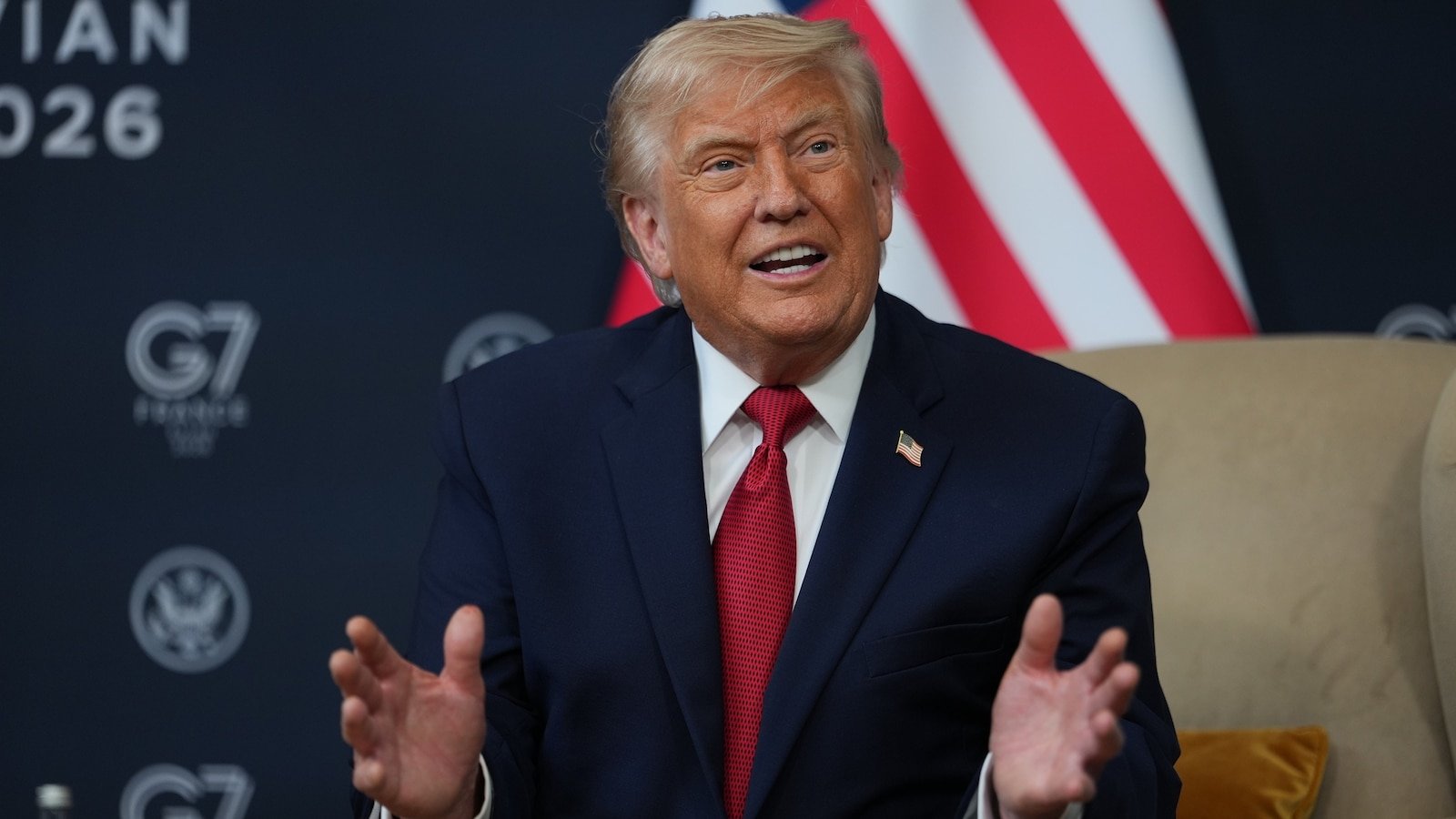
Title: Navigating Change: G7 Leaders Forge Path for a Safer Strait of Hormuz
In an atmosphere thick with anticipation and promise, the world has witnessed the gathering of the G7 leaders, who, with poised voices and carefully crafted intentions, have released a statement that resonates through the corridors of global diplomacy. Their unified declaration, imbued with hope and strategic foresight, speaks volumes about the intricate dance of geopolitics as they address pressing challenges through the lens of cooperation and partnership.
The dawn of this diplomatic exchange heralds a significant commitment: a masterpiece of intent aimed at safeguarding the delicate threads of international relations. The memorandum of understanding regarding Iran, ardently supported by the leaders of Canada, France, Germany, Italy, Japan, the United Kingdom, and the United States, emerges as a steadfast pillar in the quest to prevent nuclear proliferation in a region fraught with tension. This noble endeavor, as articulated by these influential statesmen, strives not only to curb nuclear ambitions but also to address the myriad threats that reverberate through the Strait of Hormuz, a gateway vital to the lifeblood of global commerce.
Within the confines of formal discourse, the leaders have illuminated the significance of unrestricted maritime navigation, emphasizing the Strait of Hormuz as the bedrock of international trade. Here, the grand current of global commerce flows freely, and the G7’s commitment carries the weight of ensuring that it continues to do so, unimpeded by conflict or adversity.
As the cadence of their shared commitment rolled forth, a spirit of collaboration took shape—a multinational initiative led by France and the United Kingdom emerged, an elegant tapestry woven from threads of solidarity. This initiative pledges steadfast support for a resurgence of maritime traffic by extending protection to merchant vessels, restoring confidence among commercial shipping operators, and diligent verification that the waters remain safe and clear.
Canadian Prime Minister Mark Carney, in an interview brimming with optimism, described the memorandum as “well-structured” and a potential “game-changer.” His words encapsulate the essence of the document—a beacon of hope in a tumultuous geopolitical landscape. While the details remain undisclosed, the promise of reasoned dialogue and mutual respect radiates through every syllable.
Moreover, the leaders reaffirmed their collective stance of solidarity towards Lebanon, expressing unwavering support for an immediate ceasefire amidst the turmoil wrought by conflict. They called for the preservation of the nation’s territorial integrity and sovereignty, further advocating for the complex task of disarming factions that threaten stability, thereby weaving a narrative of peace into the fabric of contemporary diplomacy.
In this tableau of global leadership, the convergence of tenets—commitment, collaboration, and an enduring vision for peace—paints a vivid picture of a world striving toward hope amidst tumult. As the waves lap against their shores, we are reminded that diplomacy, much like the sea, is both delicate and powerful, a force capable of shaping destinies and weaving the intricate tapestry of human experience.