
"A Landmark Ruling: The Supreme Court Invalidates Hawaii’s Gun Carry Law, Redefining Individual Rights"
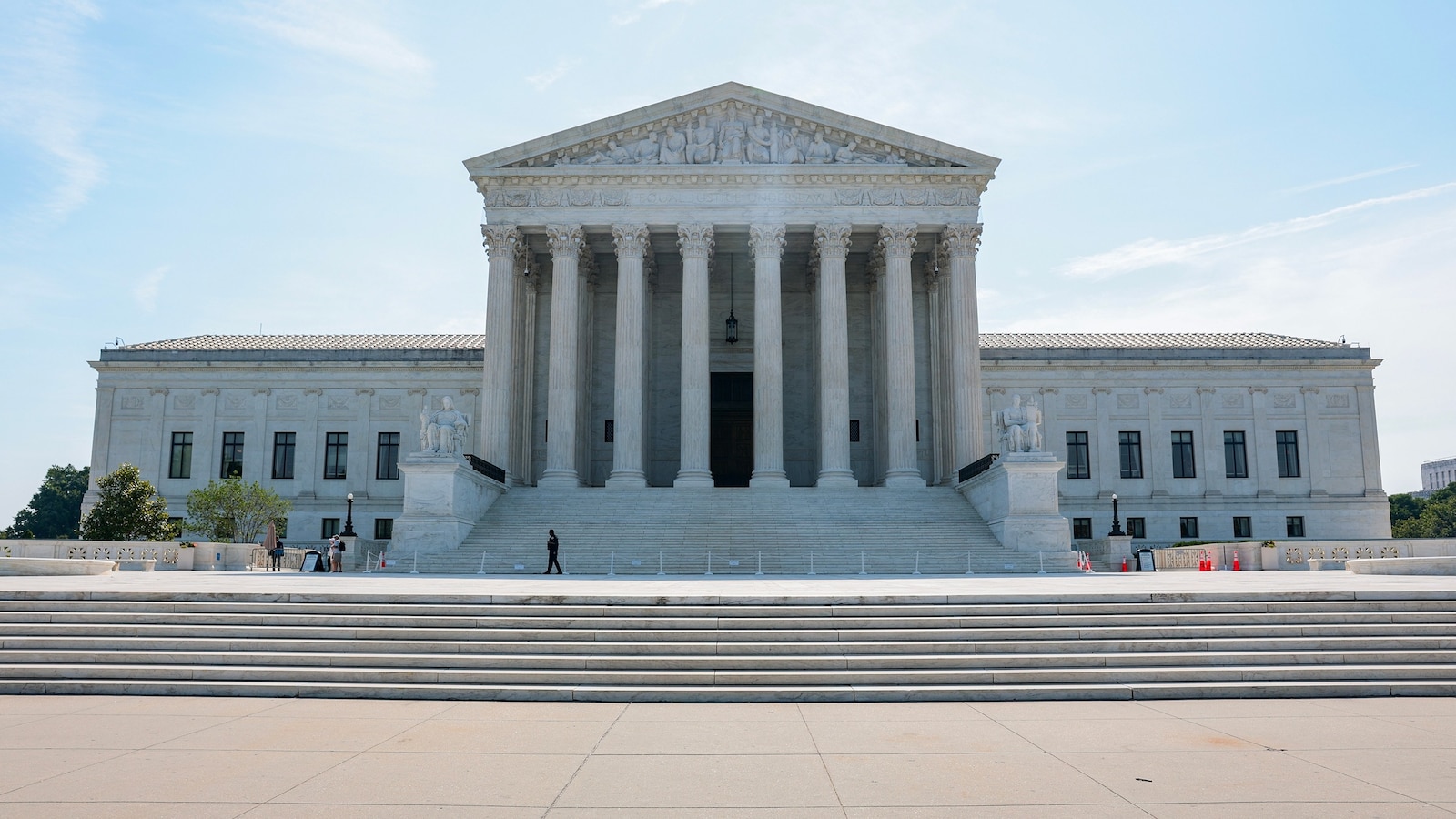
In a momentous shift echoing through the annals of legal precedent, the Supreme Court has rendered a decision that reshapes the very fabric of individual liberties, striking down a Hawaii law that constrained permit holders from carrying firearms on private properties without explicit consent from the owners. This ruling unfolds against the backdrop of the evolving conversation surrounding personal freedoms, illuminating the delicate balance between rights and responsibilities.
Nestled within the verdant embrace of the Pacific, Hawaii’s once-most restrictive ordinance cascaded into the tapestry of decision-making, blending the complexities of law with the nuances of human rights. This historic verdict articulates not merely a legal shift, but an elevation of the narrative surrounding personal agency—a resonant call for introspection in every corner of society.
The Court’s articulate elucidation lays a sophisticated foundation for the interpretation of the Second Amendment, inviting both advocates and dissenters to examine the dynamic interplay of private property rights and individual freedoms. This decision is emblematic of a broader movement, one that compels us to navigate the corridors of policy with an unerring compass that seeks both protection and empowerment.
As we transition into this new chapter of jurisprudence, the discourse surrounding the implications of this ruling beckons us to explore the landscapes of our liberties, fostering a dialogue rich in nuance and depth. The story of this decision is but a singular note in a symphonic exploration of freedom, resonating deeply within the spirit of a nation defined by its commitment to individual rights and the pursuit of personal safety.
In the aftermath of this landmark ruling, one cannot help but ponder its broader societal impact. It evokes a sense of responsibility, urging us to engage thoughtfully with the evolving narrative of rights, governance, and communal harmony. The Court’s decision is more than a mere legal statement; it is an invitation to reflect upon the privileges we often take for granted and the intricate tapestry of rights that define our collective existence.
With each legal decision, we inch closer to a more profound understanding of ourselves and the liberties we cherish, merging the elegance of legal thought with the passionate pulse of civic engagement. The path ahead is fraught with challenges, yet illuminated by the promise of dialogue and insight, guiding us toward a future rich in the potential of informed discourse and harmonious coexistence.